Electrical Safety Test Equipment
Withstand Voltage, RCD, and Flammability Testing to Global Safety Standards
Product safety certification rests on two related but distinct pillars: does the product safely withstand the electrical stress it might see (dielectric withstand and insulation performance), and does it resist catching fire or spreading flame if something does go wrong internally (flammability and thermal safety). This range covers the test equipment for both, alongside the ground fault protection testing that verifies a product or installation's residual current protection actually functions.
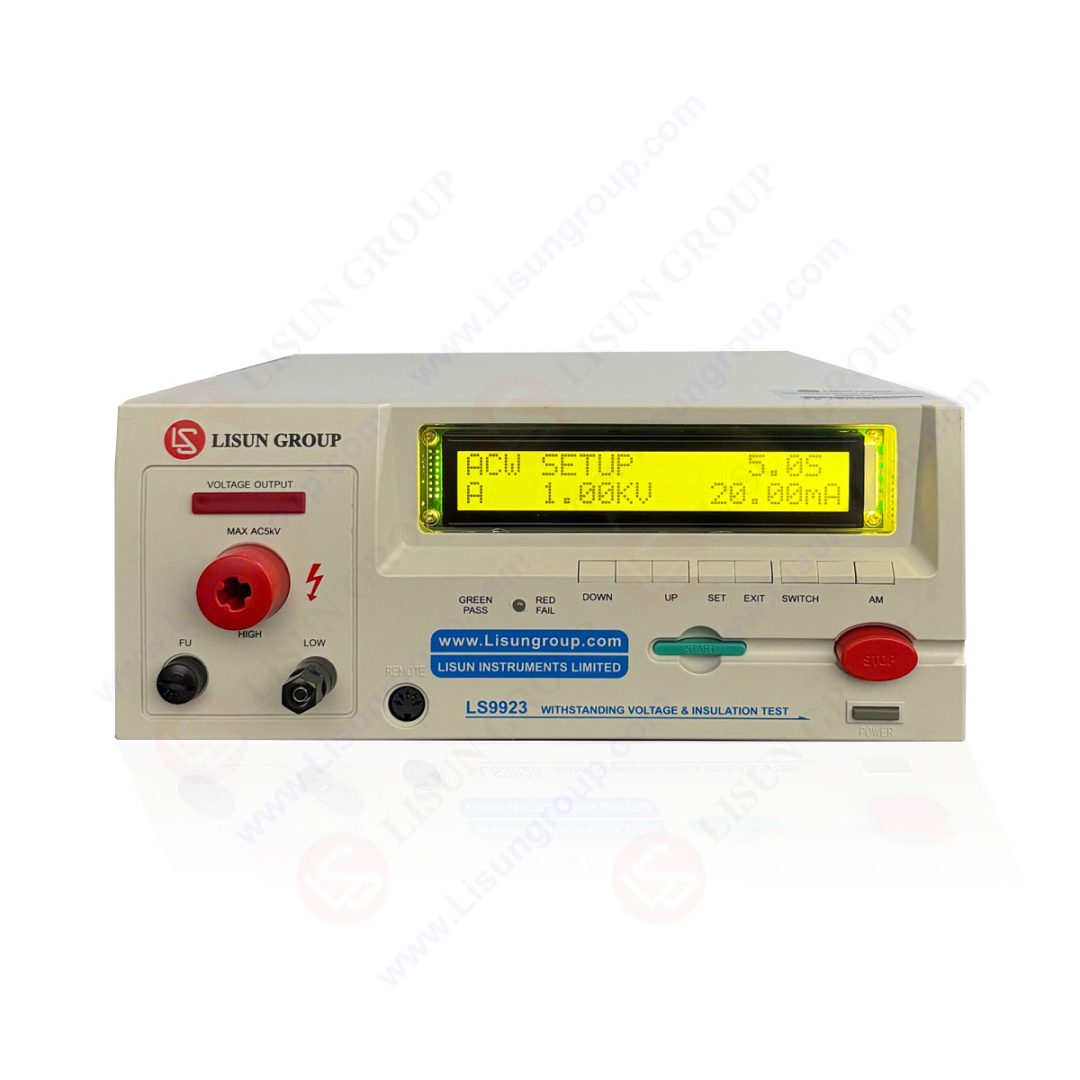
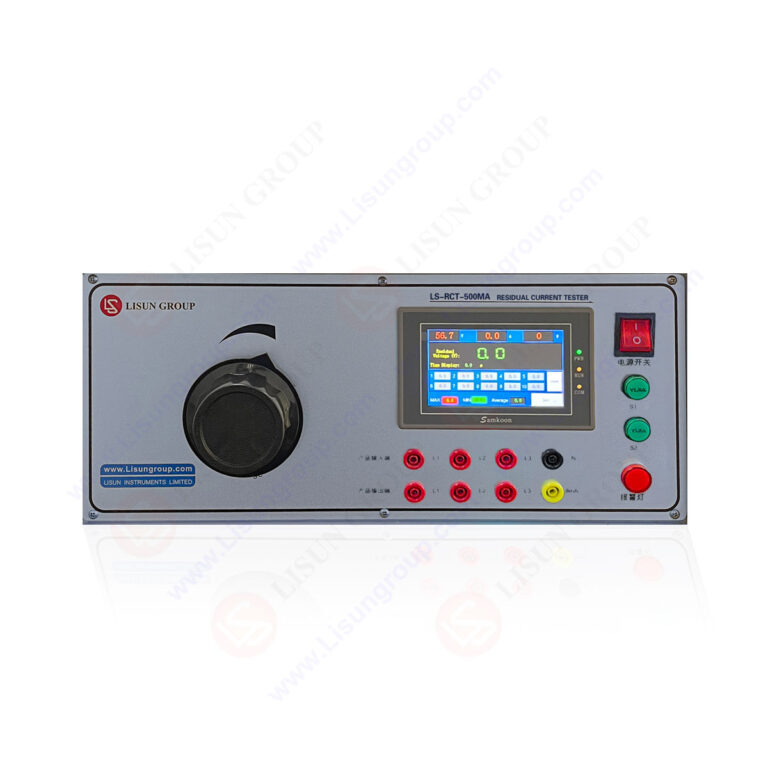
Withstand voltage and insulation resistance testers verify a product's insulation holds up to 5kV AC/DC — the baseline dielectric test required across most electrical product safety standards. RCD/RCBO and circuit breaker testing covers the full range of residual current device types (Type A, B, AC, and F), each responding to a different category of fault current waveform, so verifying the correct type trips correctly and within its rated time is essential rather than just confirming it trips at all.
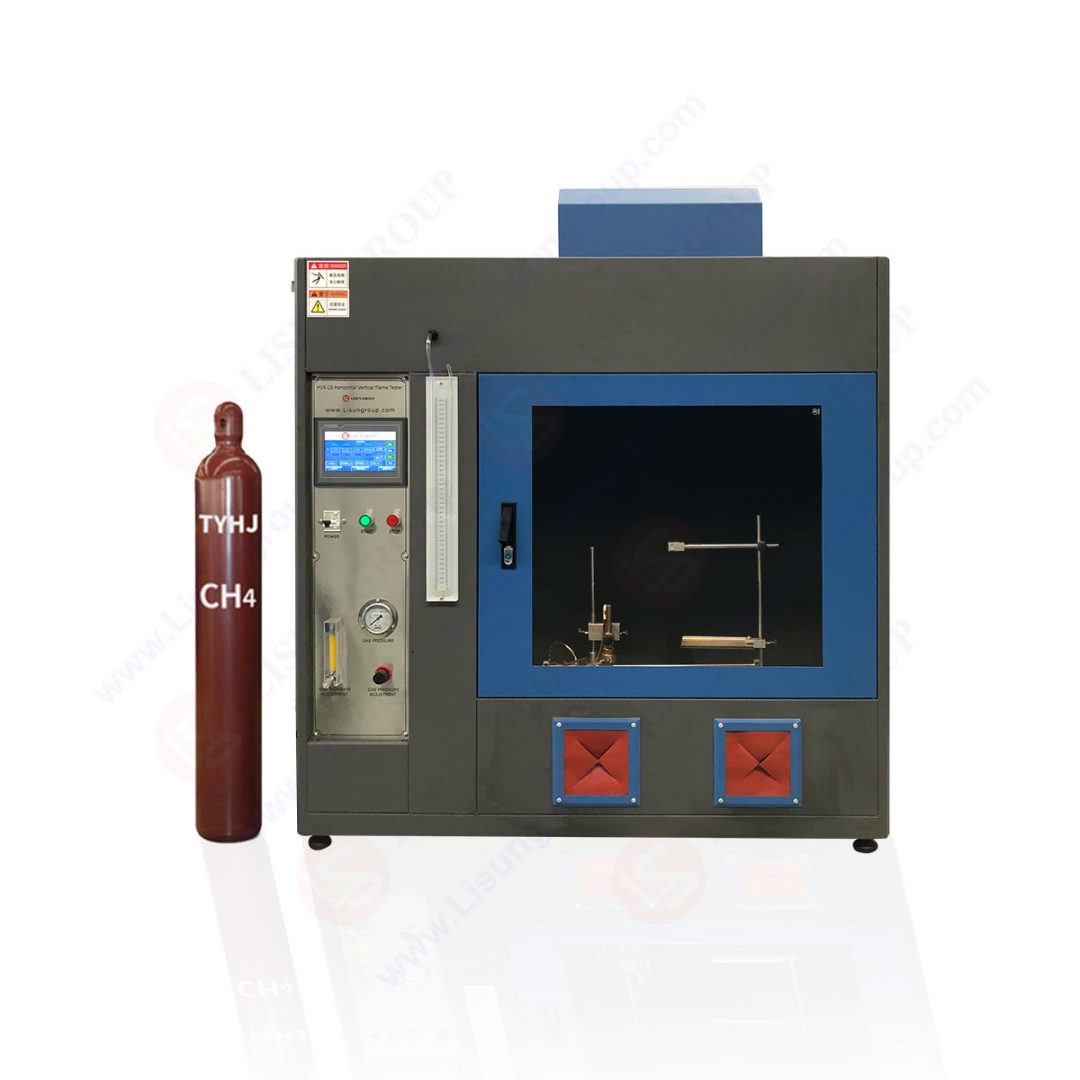
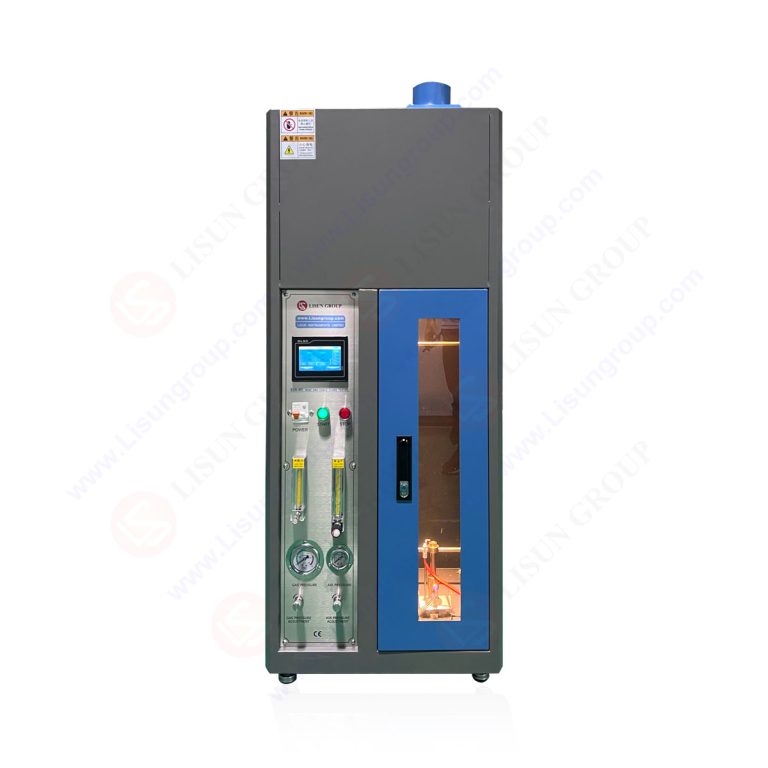
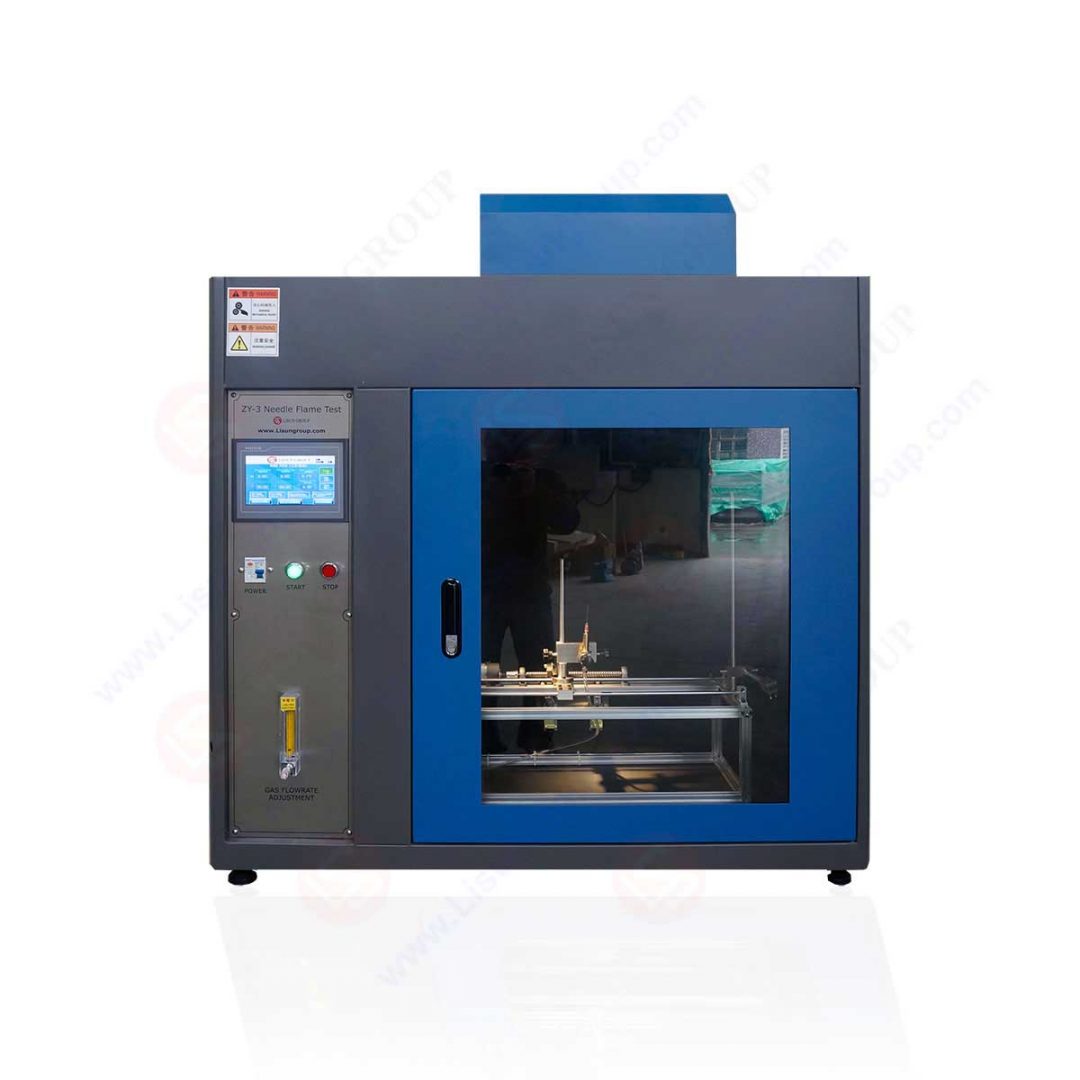
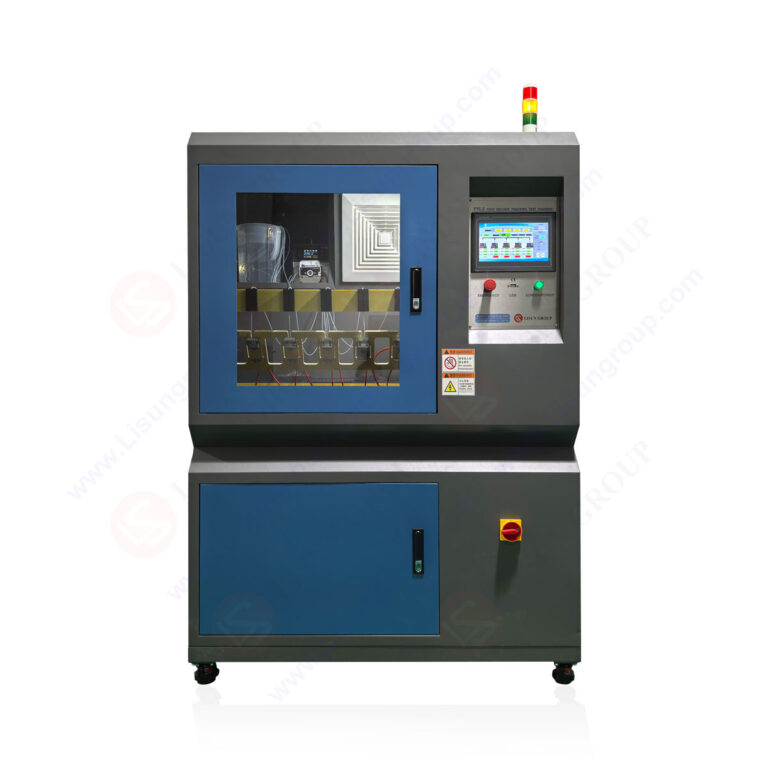
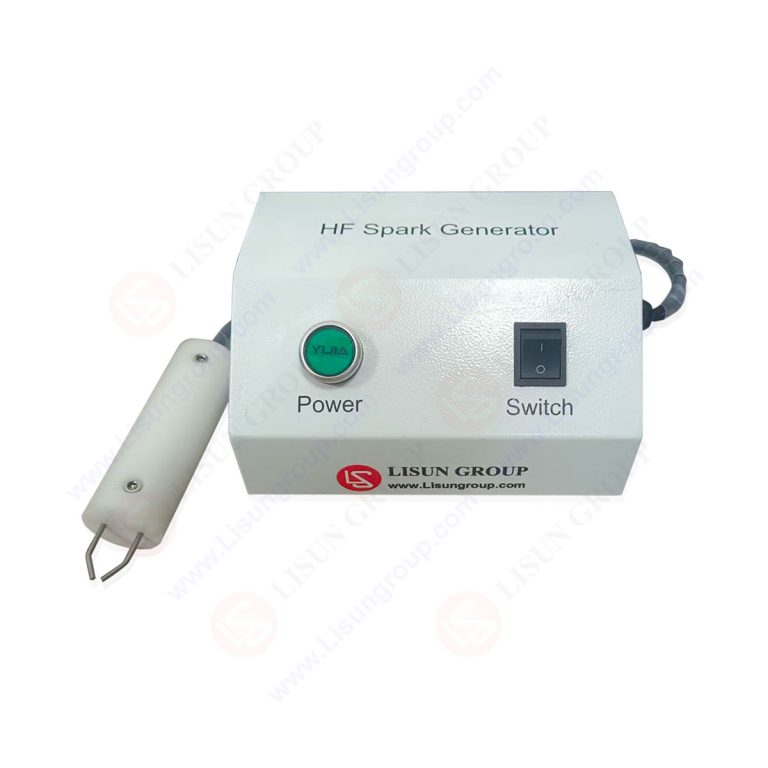
Flammability testing spans glow wire, needle flame, and vertical burn methods, plus hot wire ignition testing — these methods each simulate a different real-world ignition scenario (an overheating component, a small flame source, direct ignition) and are specified across different product categories and standards. Tracking and high-voltage tracking (CTI/PTI) testing evaluates how resistant an insulating material is to forming a conductive carbon track under electrical stress and contamination — a failure mode that can develop slowly in service and isn't obvious from a standard dielectric test.
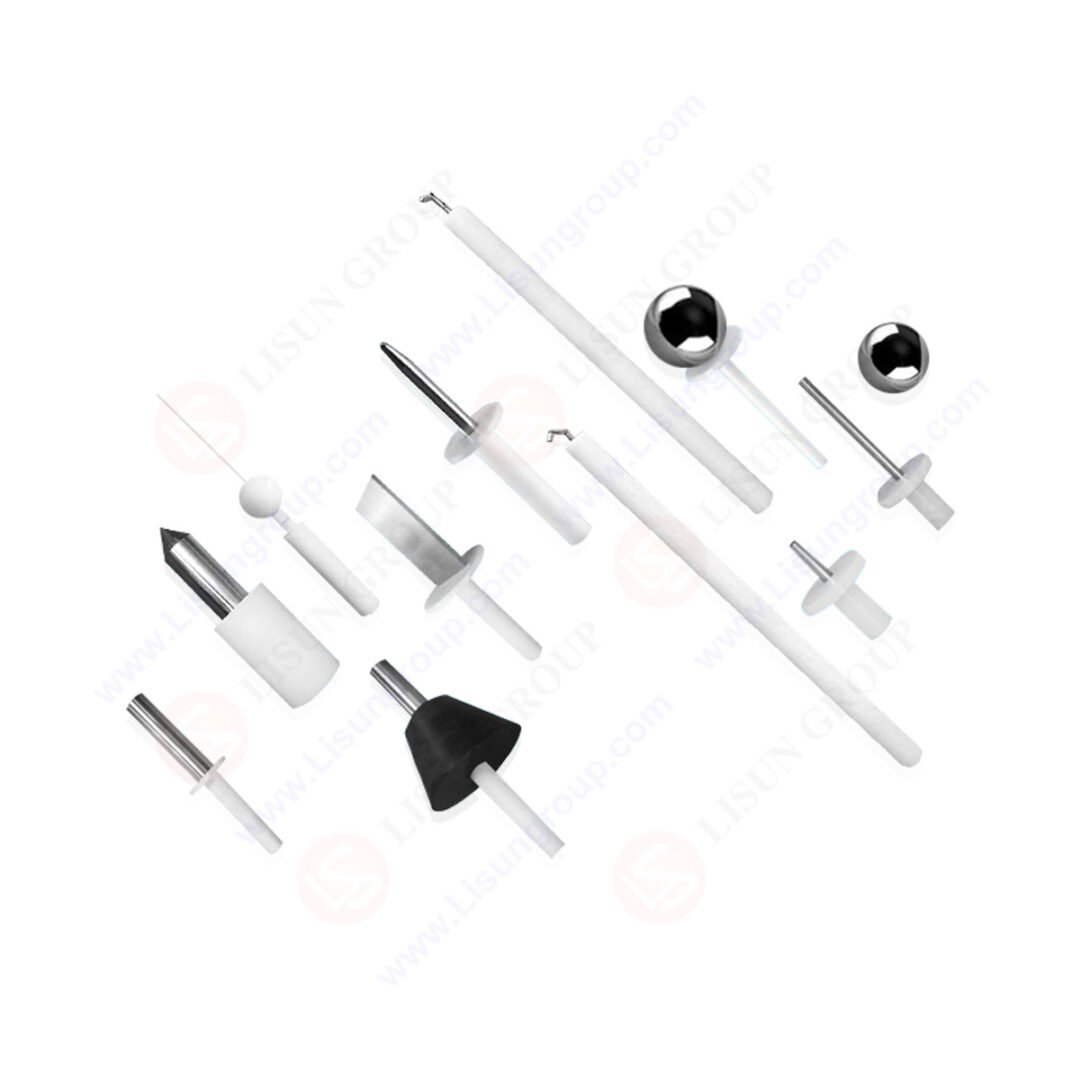
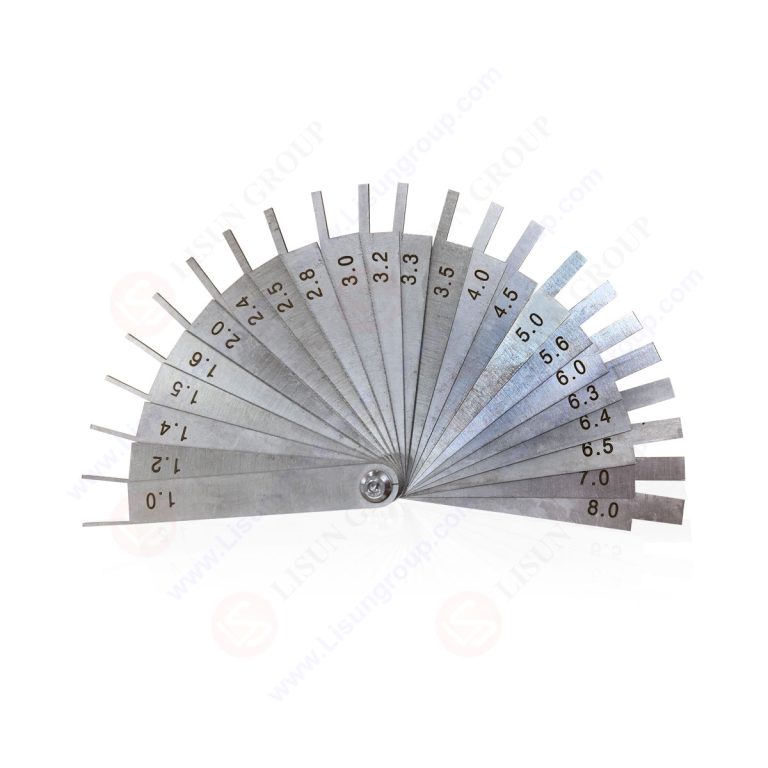
IEC 61032 standard test fingers and probe sets round out the range, used to verify a product's enclosure provides adequate protection against accidental contact with live or moving parts — the access protection half of a product's overall IP rating, tested with standardised jointed and rigid test probes rather than measured electrically.
Frequently Asked Questions
What's the difference between glow wire, needle flame, and vertical flame testing?
Glow wire testing simulates the effect of an overheating internal component (such as a resistor or overloaded connection) contacting the material. Needle flame testing simulates ignition from a small flame source such as a match or lighter. Vertical flame (burn) testing evaluates how a material behaves when a flame is applied directly and then removed, measuring self-extinguishing behaviour. Product safety standards specify which method(s) apply based on the product category and fire risk profile.
Why do I need to test all four RCD types (A, B, AC, F) separately?
Each RCD type is designed to detect and respond to a different category of residual current waveform — Type AC detects sinusoidal AC fault currents, Type A adds pulsating DC detection, Type F adds mixed-frequency detection, and Type B adds smooth DC detection. A device rated for one type may not reliably detect fault currents outside its designed waveform category, so verifying performance against the specific type rating matters, not just confirming the device trips under a generic test.
What does CTI/PTI tracking resistance actually measure?
Comparative Tracking Index (CTI) and Proof Tracking Index (PTI) testing measures how resistant an insulating material is to developing a conductive carbon "track" across its surface when exposed to electrical stress in the presence of a contaminant (typically a saline solution). This failure mode develops gradually in service — from dust, humidity, and contamination combined with electrical stress — and can eventually create a surface conduction path that a standard dry dielectric withstand test wouldn't reveal.