Specialised Lighting & Photometric Instruments
Flashlight photometry, glare evaluation, luminance measurement, calibration reference, and bare integrating spheres.
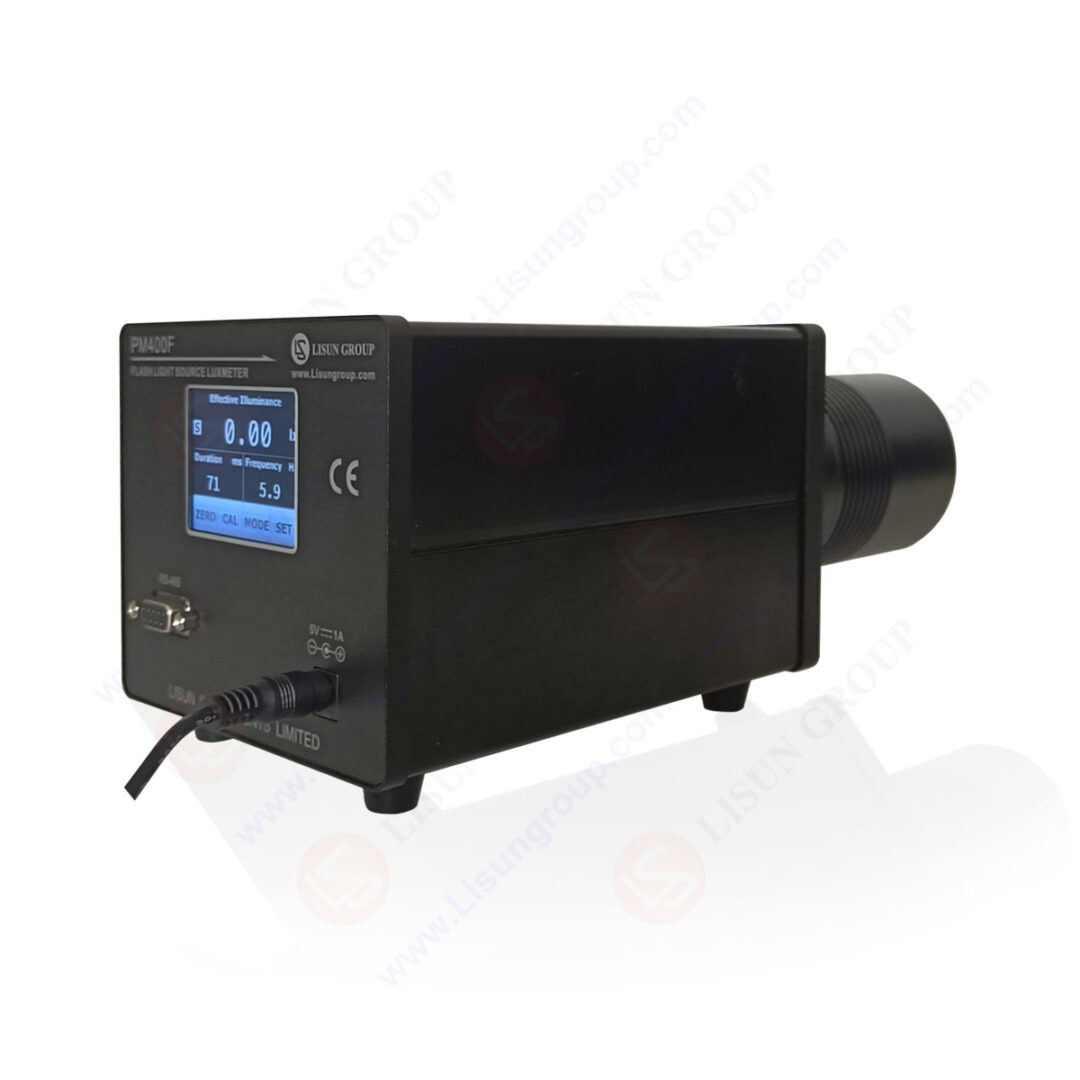
Beyond the core goniophotometer, integrating sphere, and spectroradiometer equipment that covers most LED and luminaire testing, a handful of specialised measurement tasks call for purpose-built instruments of their own. LISUN's PM400F / GTS-LS / XYL-VI / PRC-6M / IS-*M range collects exactly these: flashlight photometry, glare evaluation, handheld luminance and chromaticity measurement, photometric calibration reference systems, and bare integrating spheres for custom setups.
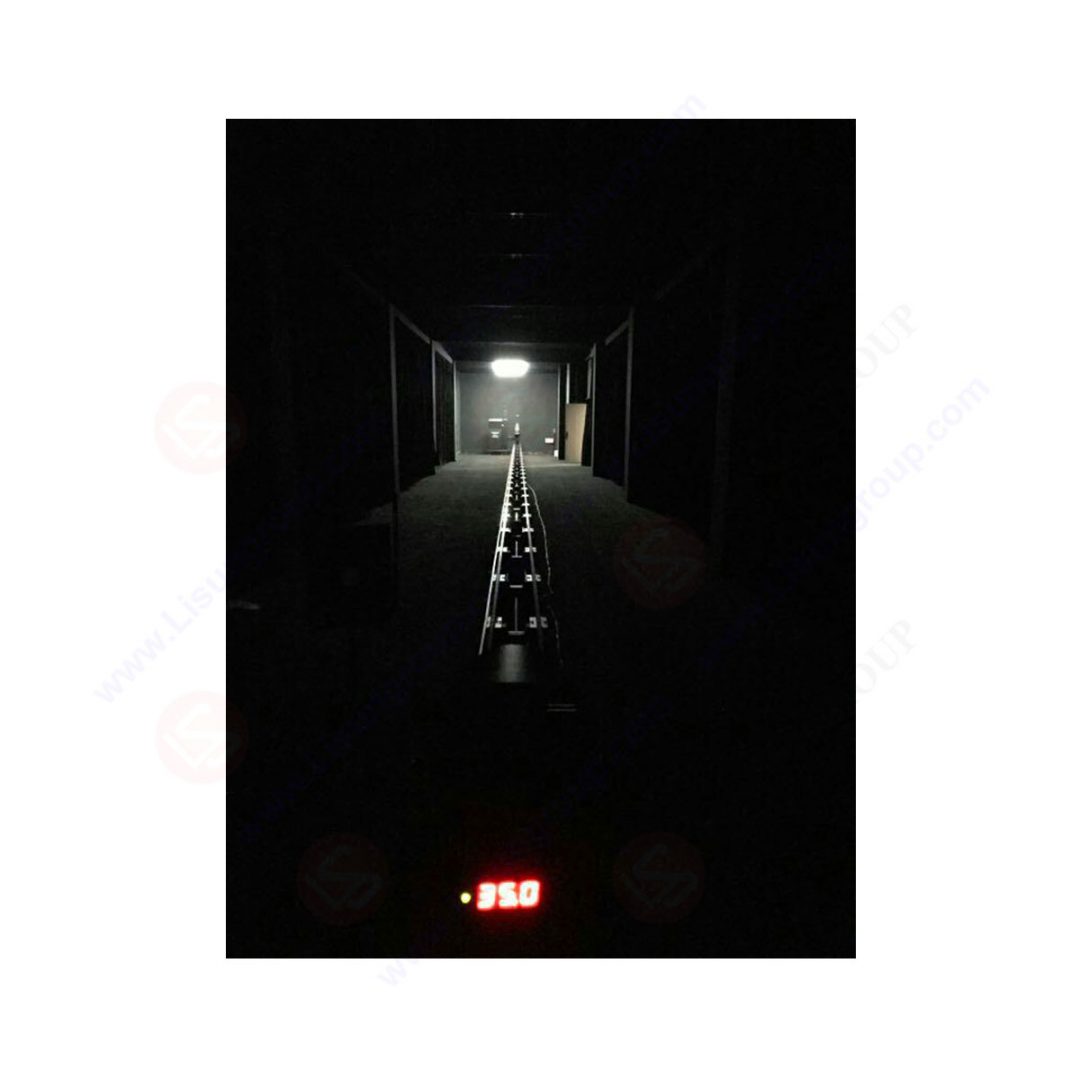
Flashlight and torch beam testing has its own measurement conventions — beam intensity, beam distance, and runtime characteristics that a standard luminaire photometer isn't set up to capture — which is what the PM400F flashlight photometer addresses directly. Glare evaluation with the GTS-LS matters for luminaires installed where occupants view the light source directly, a growing concern as LED sources push higher luminance into smaller emitting areas than traditional lamps ever did. The XYL-VI handheld luminance colorimeter supports quick field or line verification of luminance and colour without setting up a full spectroradiometer measurement.
The PRC-6M precision photometric calibration system and the bare IS-*M integrating spheres serve a different function — supporting a lab's own measurement infrastructure rather than testing a product directly. A calibration reference system keeps a lab's photometric measurements traceable and accurate over time, while bare (uncoated) integrating spheres let a lab build a custom sphere-based setup around its own detector and instrumentation choices rather than a fixed, pre-configured system.
Frequently Asked Questions
Why does flashlight and torch testing need a dedicated photometer rather than a standard luminaire test setup?
Flashlight and torch performance is characterised by beam intensity, beam distance, and runtime — parameters and measurement geometries specific to a directional, handheld light source — rather than the total luminous flux and intensity distribution measurements that standard luminaire photometry focuses on. A dedicated flashlight photometer is built around these torch-specific measurement conventions.
Why does glare testing matter more for LED luminaires than for older lamp technologies?
LED sources can produce very high luminance from a small emitting area, since the light-emitting surface itself is often much smaller than an equivalent-output traditional lamp. This concentrated luminance increases the potential for discomfort or disability glare when the source is viewed directly, making glare evaluation a more prominent testing concern for modern LED luminaire designs.
What's the purpose of a bare, uncoated integrating sphere rather than a complete pre-configured system?
A bare integrating sphere provides the coated sphere enclosure itself without a fixed detector, port configuration, or instrumentation setup, letting a lab configure the sphere around its own choice of spectroradiometer, detector, and port layout — useful where an existing measurement infrastructure needs a sphere component rather than a complete turnkey system.