Specialised Environmental & Mechanical Test Equipment
Thermal shock, altitude simulation, walk-in cycling, hosedown, and power tool durability testing.
Not every environmental or mechanical durability requirement fits neatly into a single equipment category. This range groups together specialised test equipment for applications that sit outside the core climatic and corrosion chamber lines — covering thermal shock, combined temperature/altitude simulation, large-scale walk-in environmental cycling, ingress protection hosedown testing, and power tool durability qualification, each addressing a distinct, less commonly requested test requirement.
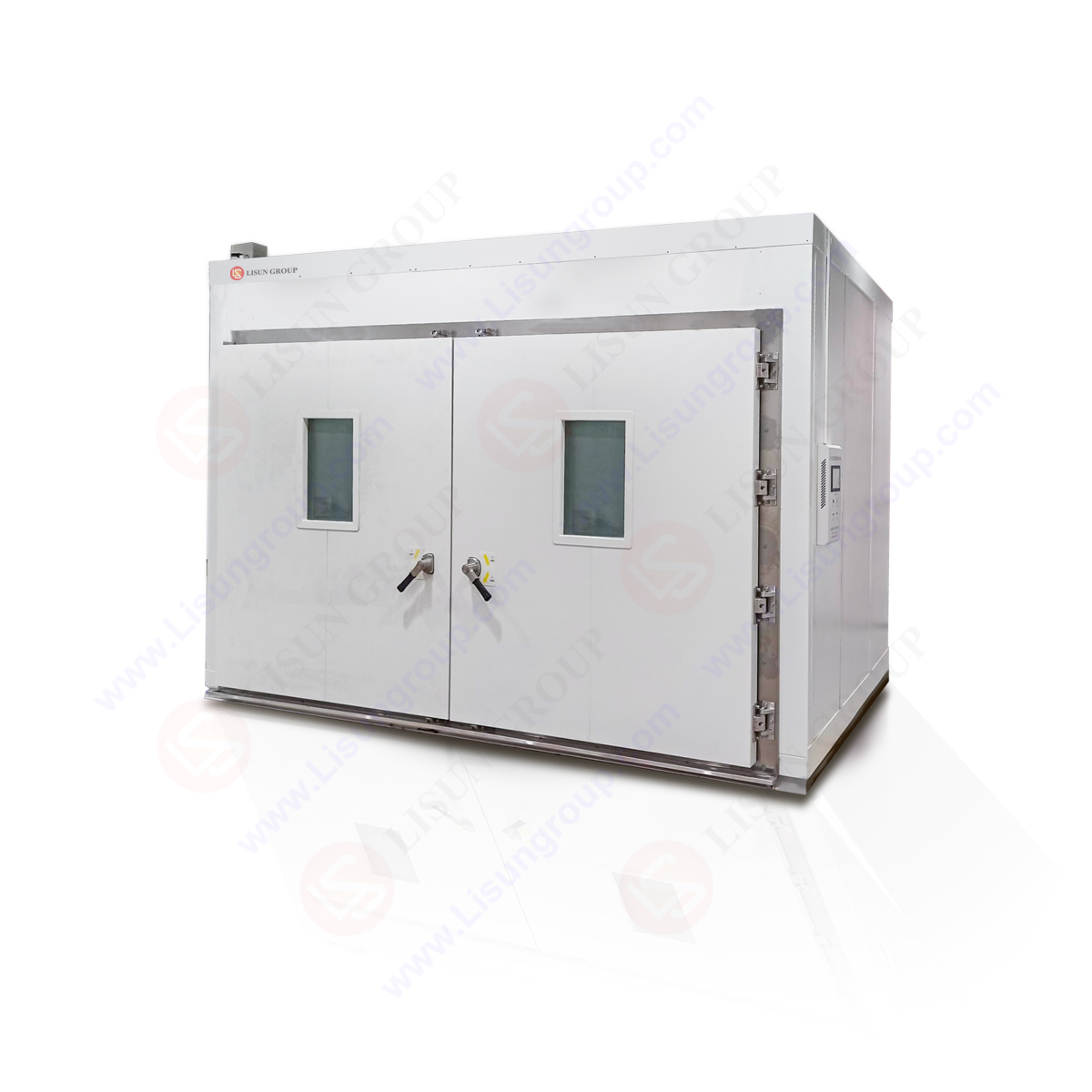
Thermal shock testing (via the LS60745-F103 and related equipment) rapidly transitions a test article between temperature extremes to reveal defects gradual cycling won't catch. Combined temperature/altitude simulation (HLST-500D) reproduces the joint thermal and low-pressure environment aerospace and high-altitude components experience. The Walk-In Chamber extends environmental cycling to full-size assemblies or multiple simultaneous samples where a standard chamber's internal volume isn't sufficient. The Hosedown Apparatus applies IEC and IP-standard water jet testing for ingress protection verification on larger equipment and enclosures. The LAP Series and LS-UL2556F17 address power tool-specific durability and safety qualification, testing the repeated mechanical stress power tools experience in service against the applicable product safety standard.
Because this range spans genuinely different test disciplines rather than variations on one method, selecting the right equipment starts with identifying which specific standard or failure mode a test programme needs to address — the shared thread across the range is that each item covers a test requirement a standard chamber, corrosion chamber, or general mechanical tester doesn't.
Frequently Asked Questions
How is the Walk-In Chamber different from a standard environmental chamber?
A walk-in chamber provides substantially larger internal volume than a standard bench-top or floor-standing chamber, allowing full-size assemblies, multiple units, or bulkier test articles to be environmentally cycled simultaneously — useful where a standard chamber's internal dimensions can't accommodate the test article or required sample throughput.
What does the Hosedown Apparatus test for?
It applies a controlled, standardised water jet to a product or enclosure to verify ingress protection ratings that specifically involve water spray or jet exposure (such as IPX5/IPX6 testing), distinct from immersion testing which uses a different method entirely.
Why is power tool durability tested separately from general mechanical testing?
Power tools experience a specific combination of vibration, repeated mechanical cycling, and thermal load from motor operation that general-purpose mechanical test equipment isn't necessarily configured to replicate — the LAP Series and related equipment are purpose-built around the applicable power tool safety and durability standards.