High Voltage Test Equipment
Insulation, Hipot, and Partial Discharge Testing for Power Transmission Systems
High voltage test equipment exists to answer a question that lower-voltage instruments can't: does insulation, a cable, or a protective device actually hold up at the voltages it will see in service — and does it do so safely, before it's put into a live network rather than after it fails in one? Power transmission and distribution assets operate at voltages where insulation breakdown isn't a gradual degradation you can catch on a multimeter; it's a step failure that can take out a line, a substation, or a piece of switchgear without warning. High voltage test equipment is built specifically to find that weakness under controlled conditions.
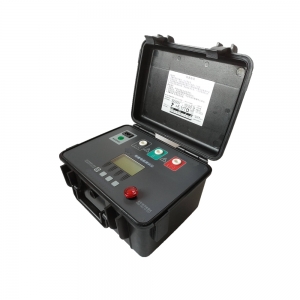
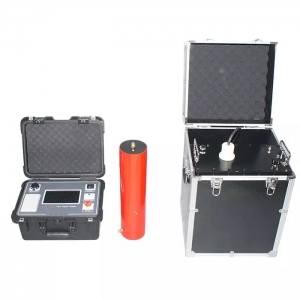
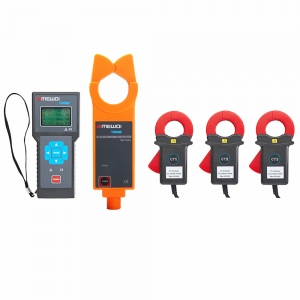
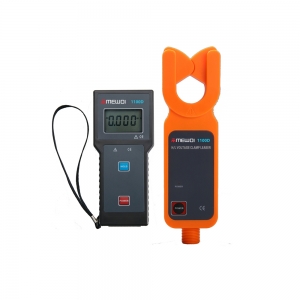
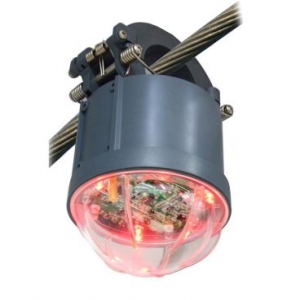
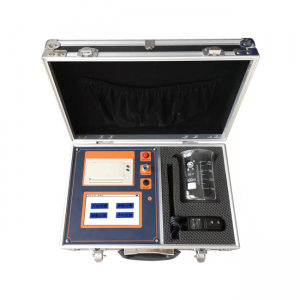
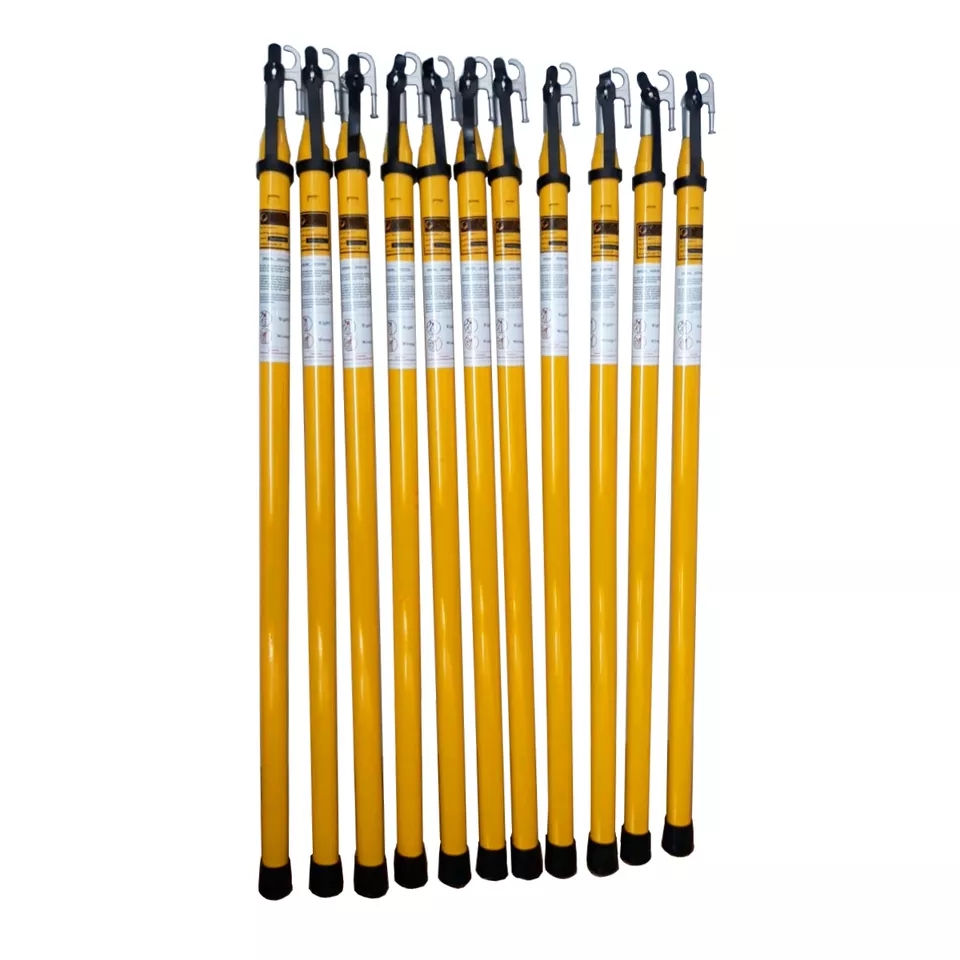
This range spans the equipment used across insulation, withstand, and condition-monitoring testing on transmission and distribution assets: AC/DC and variable-frequency resonance hipot testers for dielectric withstand testing; DC high voltage generators; insulation resistance testers from 1000V through 20kV DC for cable, switchgear, and general electrical insulation checks; VLF (very low frequency, 0.1Hz) hipot testers purpose-built for cable testing; dielectric loss (tan delta) testers for cable insulation condition assessment; partial discharge detectors for non-invasive fault detection on cables, switchgear, transformers, and GIS; zinc oxide lightning arrester testers; live-line and fault indicators; insulator salt density testers; and high/low voltage clamp meters for current measurement from distribution through EHV transmission levels.
The test method matters as much as the voltage rating. A standard AC or DC hipot test applies a withstand voltage for a defined duration to confirm insulation doesn't break down — a pass/fail test, not a diagnostic one. VLF testing exists specifically because standard 50/60Hz AC hipot testing isn't practical on long cable runs: a cable's capacitance draws far more reactive current at line frequency than a field test set can typically supply, so VLF testing at 0.1Hz reduces that reactive current draw enough to make on-site cable withstand testing achievable with portable equipment. Partial discharge detection and dielectric loss (tan delta) testing serve a different purpose again — rather than a pass/fail withstand result, they're diagnostic methods that assess insulation condition and remaining service life without necessarily stressing the insulation to failure, making them suited to periodic condition monitoring on in-service assets rather than one-off acceptance testing.
Selecting the right equipment for a transmission or distribution testing programme generally starts with what the test is meant to establish: a one-off acceptance or commissioning test calls for withstand testing (hipot or VLF, depending on the asset type and its capacitance); ongoing condition monitoring on in-service assets calls for diagnostic tools such as partial discharge detection or tan delta measurement; and field safety work — confirming a line or cable is de-energised, or verifying protective device condition — calls for live-line indicators, insulation testers, and arrester testers rated for the voltage class actually being worked on.
Frequently Asked Questions
What's the difference between a hipot test and an insulation resistance test?
An insulation resistance (IR) test applies a DC test voltage and measures the resulting resistance, giving a numeric value used to trend insulation condition over time. A hipot (dielectric withstand) test applies a higher voltage for a set duration and looks for breakdown or excessive leakage current — it's a pass/fail proof test rather than a trending measurement, and the two are typically used together rather than as substitutes for each other.
Why would I need VLF testing instead of a standard hipot tester for cables?
Cables present significant capacitive load, and driving that capacitance at standard line frequency (50/60Hz) during a withstand test demands far more reactive current than most portable hipot test sets can supply, especially on longer cable runs. VLF testing at 0.1Hz reduces the required test current substantially, making withstand testing achievable with equipment that's practical to bring on-site.
What does partial discharge testing tell me that a hipot test doesn't?
A hipot test confirms insulation withstands a given voltage at the moment of test; it doesn't indicate how much life remains in insulation that passes. Partial discharge activity is an early indicator of insulation degradation — localised electrical discharges within voids, cracks, or contamination in the insulation — and detecting it non-invasively allows condition-based maintenance decisions before a withstand test would actually fail.
Do I need different insulation resistance testers for different voltage classes?
Insulation resistance testers are typically rated for a specific DC test voltage range — commonly 1000V/2500V for general low-voltage electrical work, 5kV/10kV for medium-voltage cable and switchgear, and 15kV/20kV for higher-voltage cable and equipment testing. Testing at a voltage below what a standard or asset class requires can understate developing insulation weaknesses that only show up at the higher test voltage.