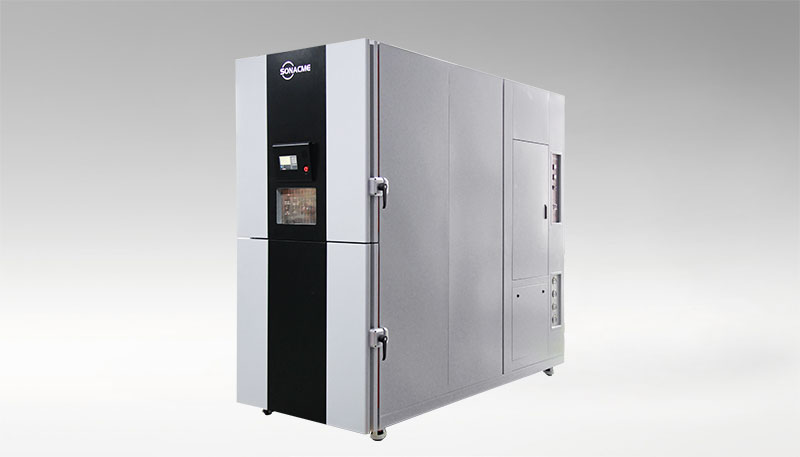
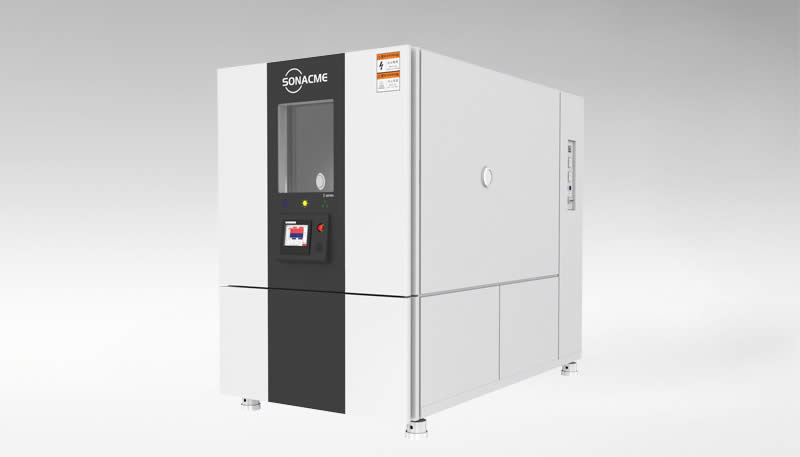
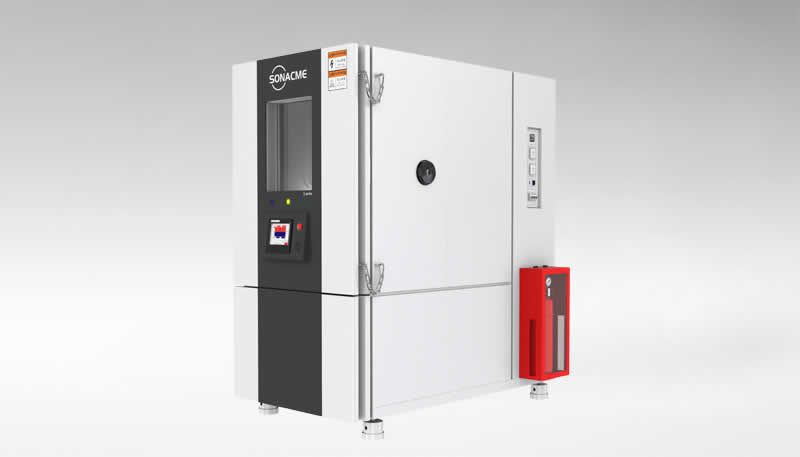
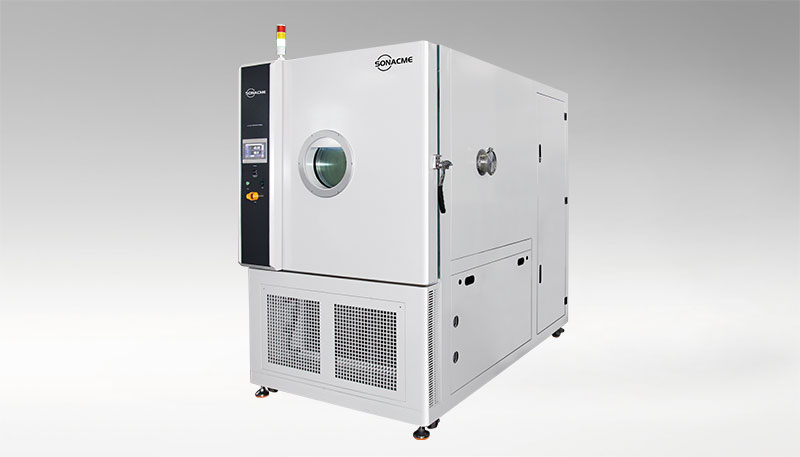
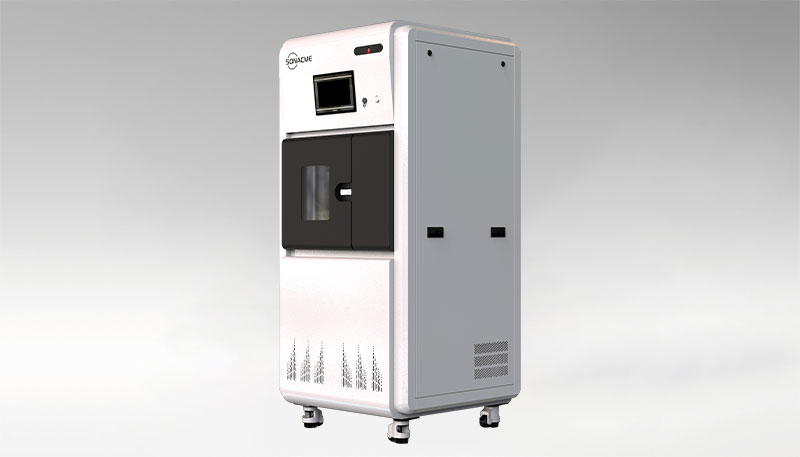
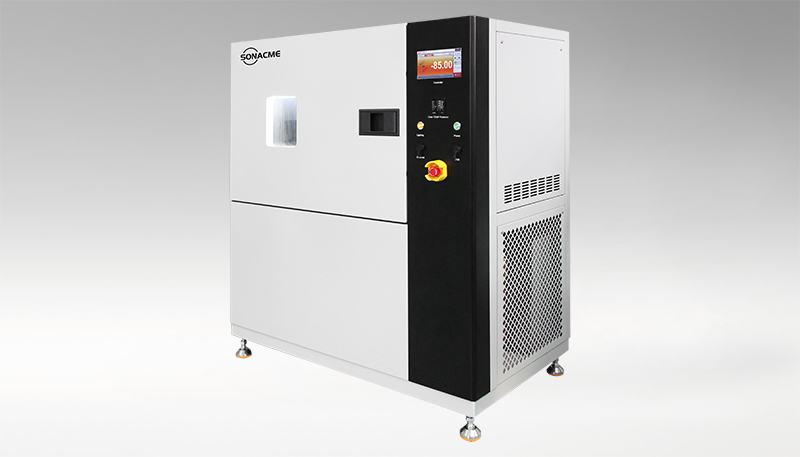
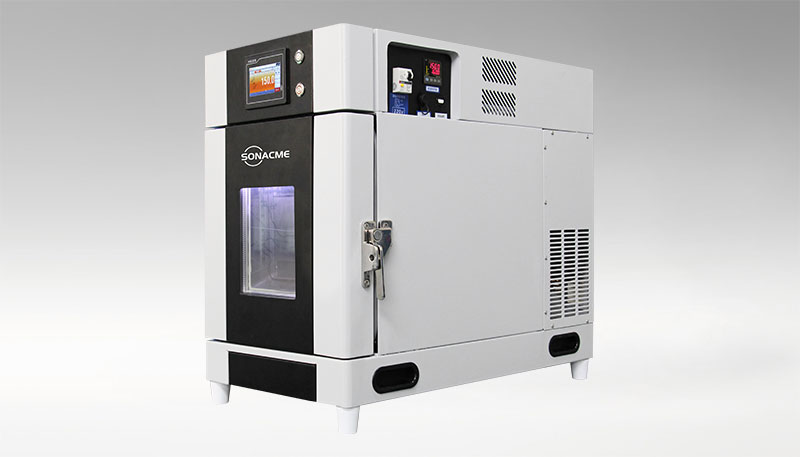
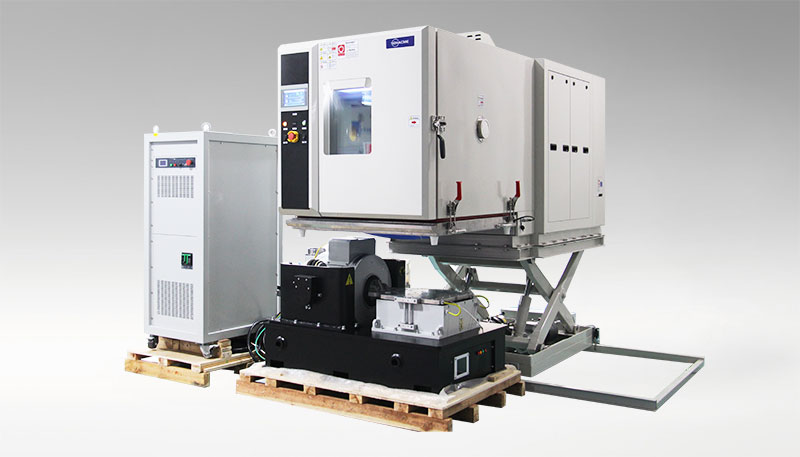
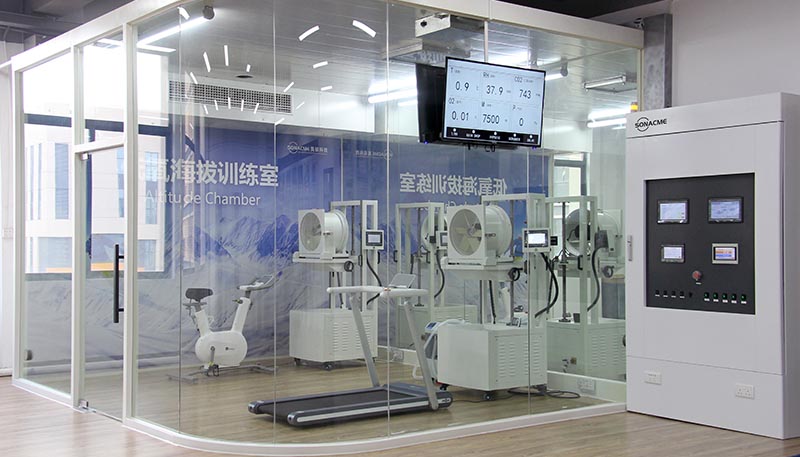
Environmental test chambers and instruments for temperature, humidity, thermal shock, altitude, vibration, IP ingress protection, weathering and salt spray testing from Sonacme and LISUN, built to qualify products against the conditions they'll actually face in service. The range covers bench-top, reach-in and walk-in climatic chambers alongside specialised thermal shock, rapid temperature change, battery and altitude chambers. Thermal shock testing is a different stress from standard temperature cycling: the speed of the temperature transfer, not just the range, drives failure modes like solder joint fatigue and delamination. IP ingress testing verifies specific claims digit by digit, from dust protection through to water jets and immersion. Supplied and supported across Australia and New Zealand by Finch for product qualification, reliability testing and compliance across electronics, automotive, defence and industrial applications.
Finch supplies environmental test chambers in Australia and New Zealand for product qualification, reliability testing, R&D and compliance work. The range runs from bench-top and reach-in climatic chambers to walk-in rooms, with thermal shock, rapid temperature change, altitude, battery, weathering and corrosion chambers from Sonacme and LISUN. Start with the test you need to run, then use the table to find the chamber type.
Your test
Chamber type
Typical standards
Browse
Temperature cycling, damp heat and general product qualification
An environmental test chamber is an enclosure that reproduces the conditions a product will meet in service, so you can find weaknesses before your customers do. Most environmental chambers control temperature, and many also control humidity. Specialised chambers add low pressure for altitude, sunlight for weathering, salt fog for corrosion, or dust and water for ingress protection. Test labs, manufacturers and R&D teams use them for product qualification, reliability and life testing, environmental stress screening and compliance testing to standards such as IEC 60068-2 and MIL-STD-810.
Four common environmental chamber types (simplified, not to scale): bench-top temperature, reach-in temperature and humidity, two-zone thermal shock, and walk-in.
Environmental, Climatic, Thermal or Humidity Chamber?
The names overlap, which makes searching for the right chamber harder than it should be.
Environmental chamber is the umbrella term for any chamber that reproduces service conditions.
Climatic chamber or climate chamber usually means a chamber that controls both temperature and humidity. This is what most people mean by an environmental chamber.
Temperature chamber or thermal chamber controls temperature only, for dry heat, cold and temperature cycling.
Humidity chamber adds controlled relative humidity, typically up to about 98% RH, for damp heat and condensation tests.
Thermal shock, rapid temperature change, altitude, battery, weathering, corrosion and ingress chambers are specialised types, each built for one family of tests.
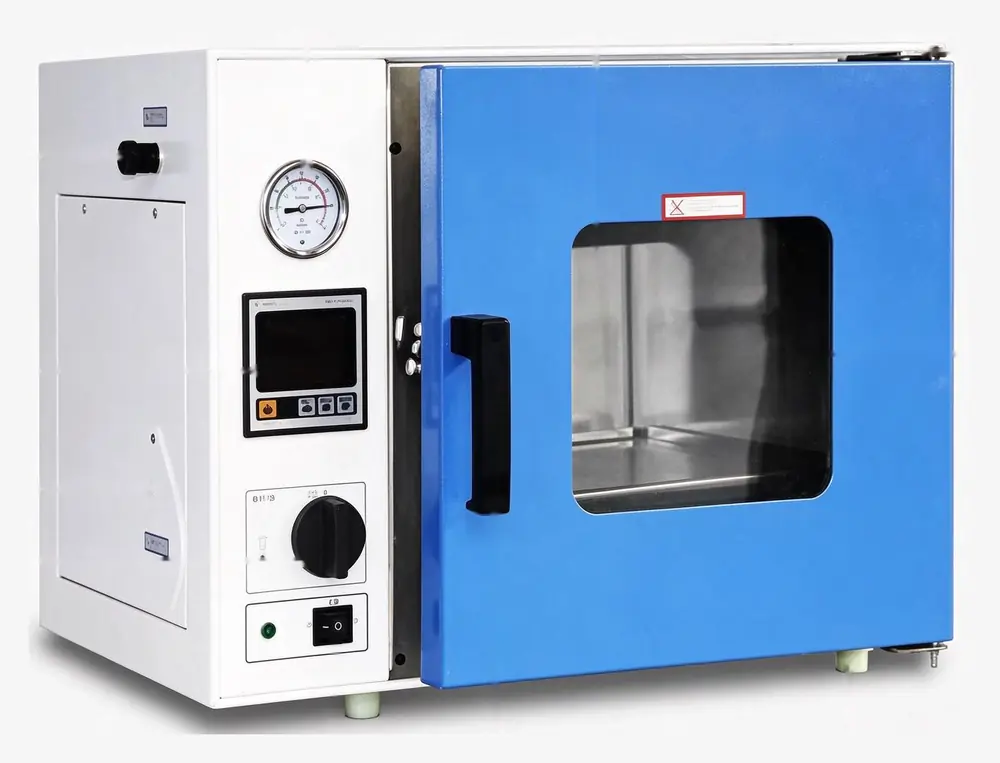
Components, small assemblies, R&D and teaching labs
Limited load and heat dissipation; usually runs from a standard outlet
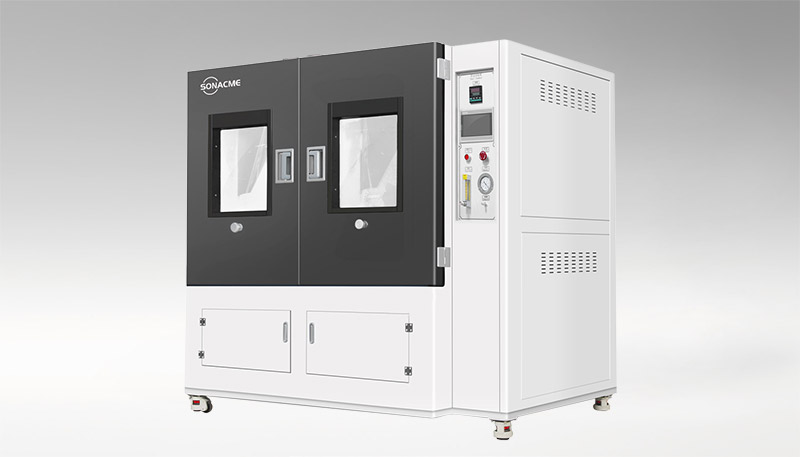
Reach-in (floor-standing)
Most product qualification and reliability work; the most common lab format
Door size, floor loading and power supply
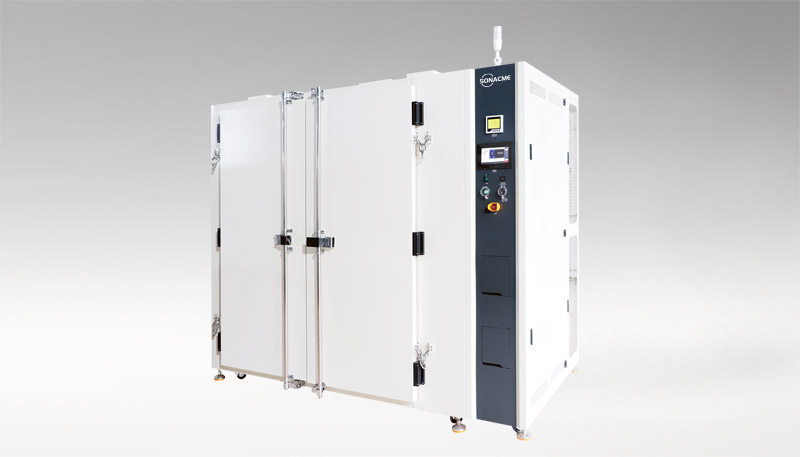
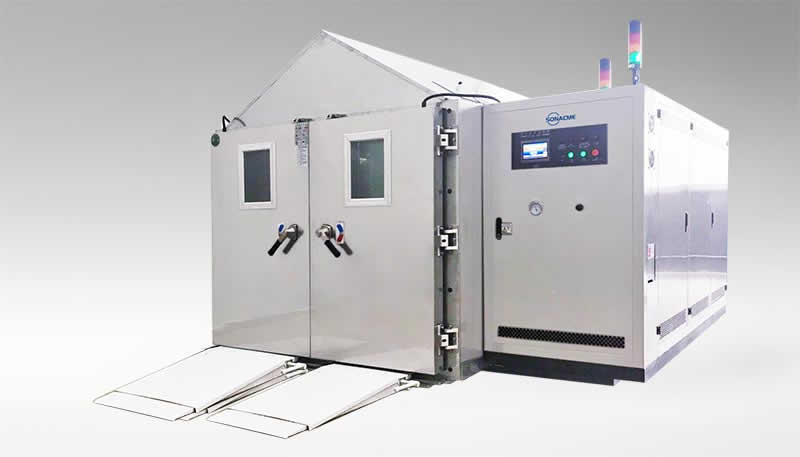
Walk-in or drive-in
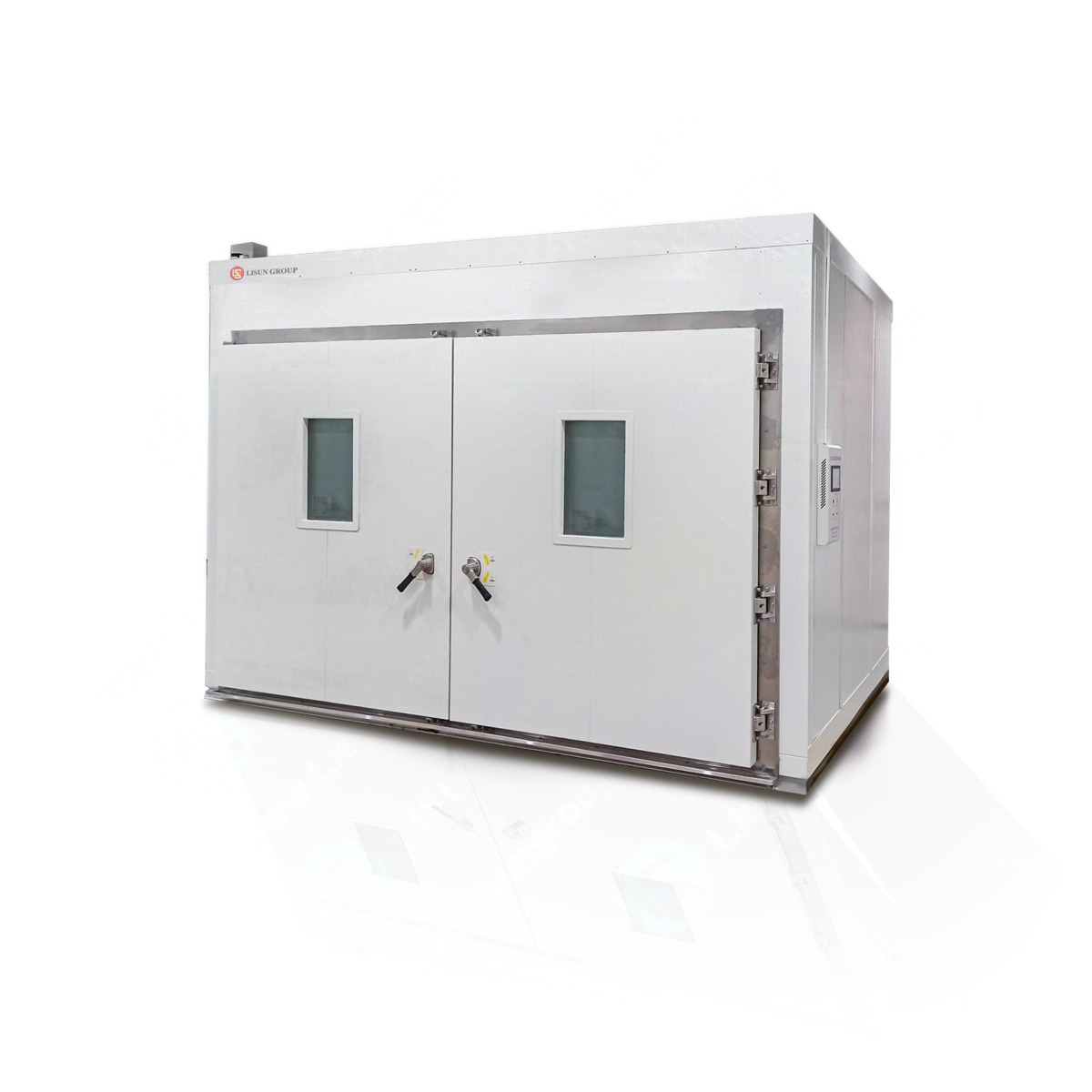
Large equipment, racks, vehicles, battery systems or many units at once
Three-phase power, ventilation, site works and installation time
Whatever the size, the load should leave room for air to circulate. As a rule of thumb, keep the product well under a third of the workspace cross-section, and tell your supplier how much heat a powered product gives off during the test. See our walk-in temperature and humidity chamber for large loads.
Key Specifications to Compare
Brochures lead with a temperature range, a humidity range and a volume. The figures below decide whether a chamber can actually run your test profile.
Temperature range and refrigeration
The low end of the range decides the refrigeration system. A single-stage system typically reaches around −40 °C. Going colder, to about −60 °C to −70 °C, generally needs cascade (two-stage) refrigeration, and ultra-low temperature chambers reach about −75 to −85 °C. Specify the lowest temperature your standard needs plus a small margin, not the lowest you can buy.
Humidity envelope
A chamber rated "20–98% RH" cannot hold every humidity at every temperature. Ask for the humidity envelope chart and check every point of your profile sits inside it. Humidity chambers also need purified or deionised water.
Fluctuation is how much conditions vary over time at one point; uniformity is how much they vary across the workspace. Ask for measured data at your setpoints. IEC 60068-3-5 and IEC 60068-3-6 describe methods for confirming chamber performance.
Cable ports, controller and data
Specify cable ports of the right size and position for power, signal and monitoring leads, and check the controller can run multi-step profiles and export logged data in the format your quality system needs.
Installation, Service and Calibration in Australia and New Zealand
Power: larger chambers usually need a three-phase supply. Confirm the current rating before delivery.
Cooling: air-cooled condensers reject heat into the room; water-cooled units need a cooling-water supply.
Water: humidity chambers need purified or deionised water.
Access: check door widths, lifts and floor loading along the delivery route, especially for walk-in chambers.
Calibration: plan a calibration path, such as NATA-accredited calibration, and confirm local service support before you buy.
Environmental Test Chambers from Finch
Finch Electronic Solutions supplies environmental test chambers across Australia and New Zealand from our Melbourne base: bench-top, reach-in and walk-in climatic chambers, thermal shock, rapid temperature change, ultra-low temperature, altitude, battery, weathering, corrosion, rain and sand-and-dust chambers from Sonacme and LISUN. Send us your test standard or profile and we will match it to a chamber, check the humidity envelope and ramp rate against your requirements, and plan delivery and installation with you.
Have a test specification?Send it to us and we'll recommend a chamber, usually within one business day.
Frequently Asked Questions
What is an environmental test chamber used for?
It reproduces service conditions such as heat, cold, humidity, low pressure, sunlight, salt fog or dust so products can be qualified, screened for defects and tested to standards such as IEC 60068-2 and MIL-STD-810 before release.
Is a climatic chamber the same as an environmental chamber?
Usually, yes. A climatic chamber controls temperature and humidity, which is what most people mean by an environmental chamber. Environmental chamber is also used more broadly for altitude, corrosion, weathering and ingress chambers.
What temperature range do environmental chambers cover?
It depends on the refrigeration. Single-stage chambers typically reach around −40 °C, cascade systems about −60 to −70 °C, and ultra-low temperature chambers about −75 to −85 °C. Specify the range your test standard needs plus a small margin.
Do I need a humidity chamber or a temperature chamber?
Choose a humidity (climatic) chamber if your test involves damp heat, condensation or moisture-related failures, for example IEC 60068-2-78 or IEC 60068-2-30. For dry heat, cold and temperature cycling only, a temperature chamber is simpler and cheaper.
What is the difference between thermal shock and temperature cycling?
Thermal shock moves the product between separate hot and cold zones for a near-instant temperature step. Temperature cycling and rapid temperature change ramp a single chamber at a controlled rate. Your test standard says which one it requires.
Do you supply environmental chambers in New Zealand?
Yes. Finch supplies and supports environmental test chambers across Australia and New Zealand.