OTDR & Optical Test Instruments
Fault Location, Power Measurement, and Network Testing for Fiber and Copper
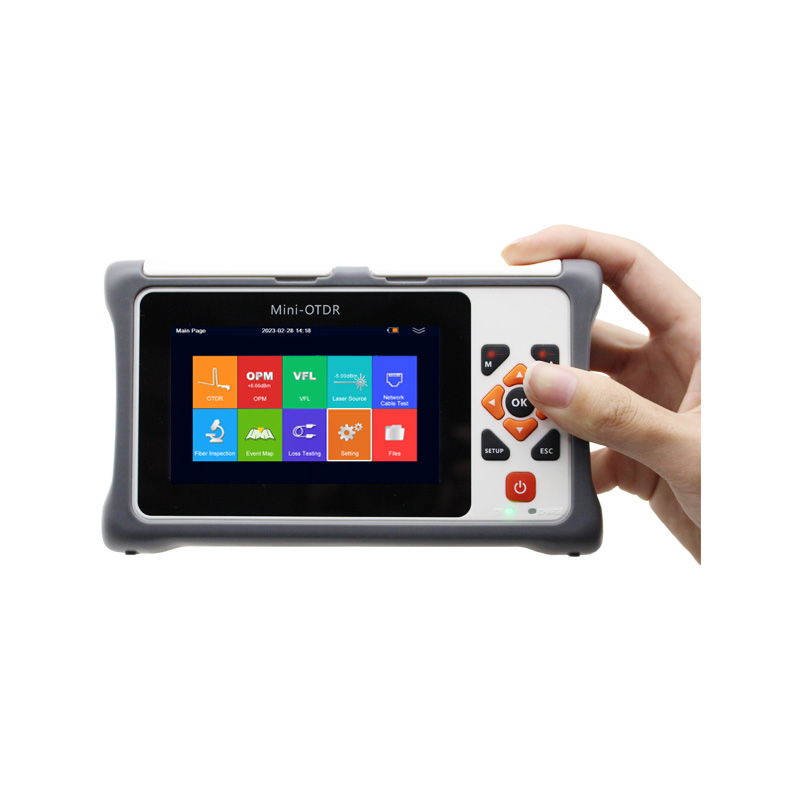
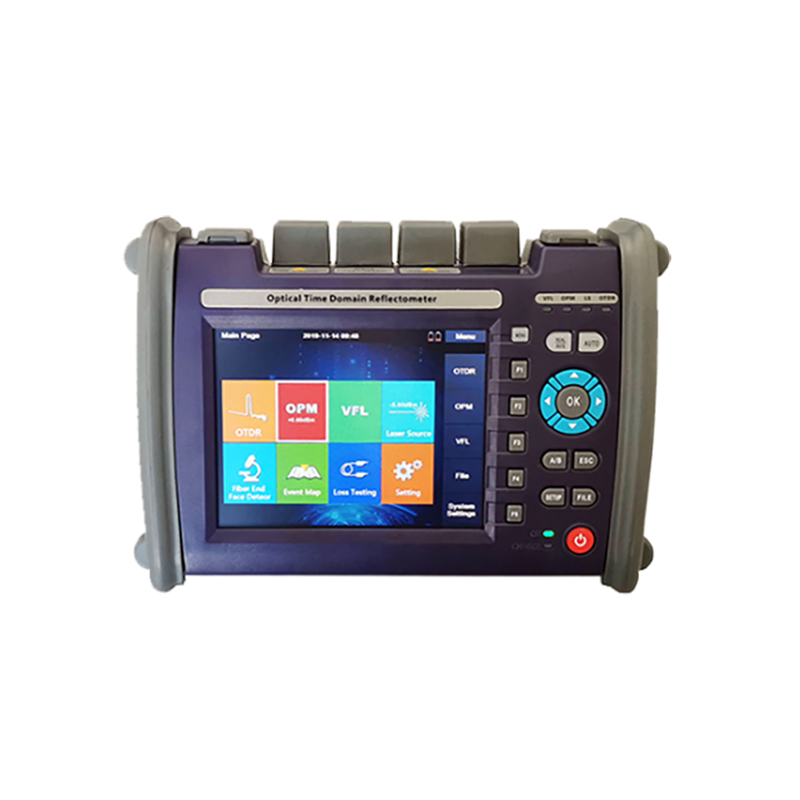
Locating a fault, measuring loss, or verifying performance on a fiber optic network requires different instruments depending on exactly what question needs answering — an OTDR traces loss and reflectance along a fiber's length, a power meter measures absolute signal strength at a point, and a visual fault locator lets a technician find a break by eye. XHFiber's OTDR and optical test instrument range covers this full diagnostic toolkit, from compact handheld units for field troubleshooting through to comprehensive multi-function testers.
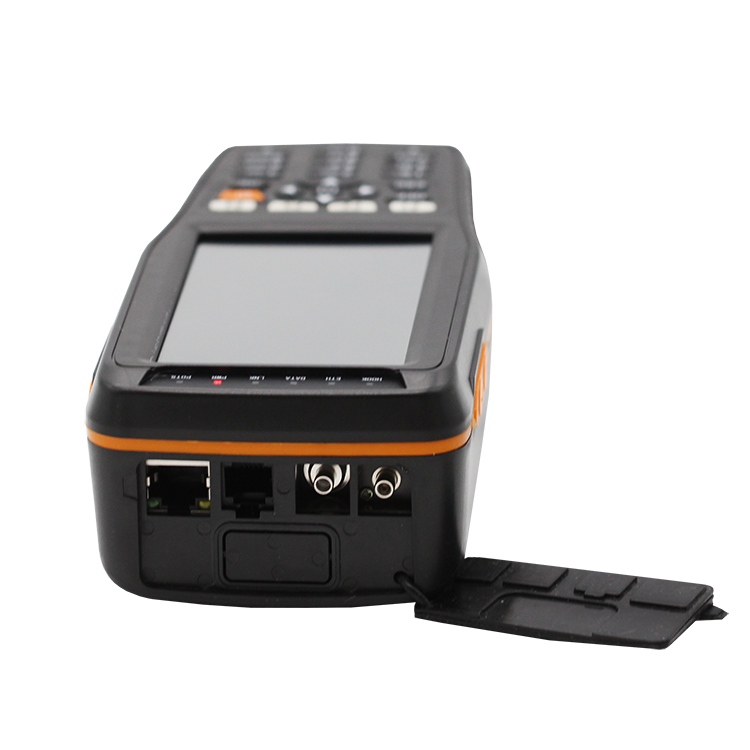
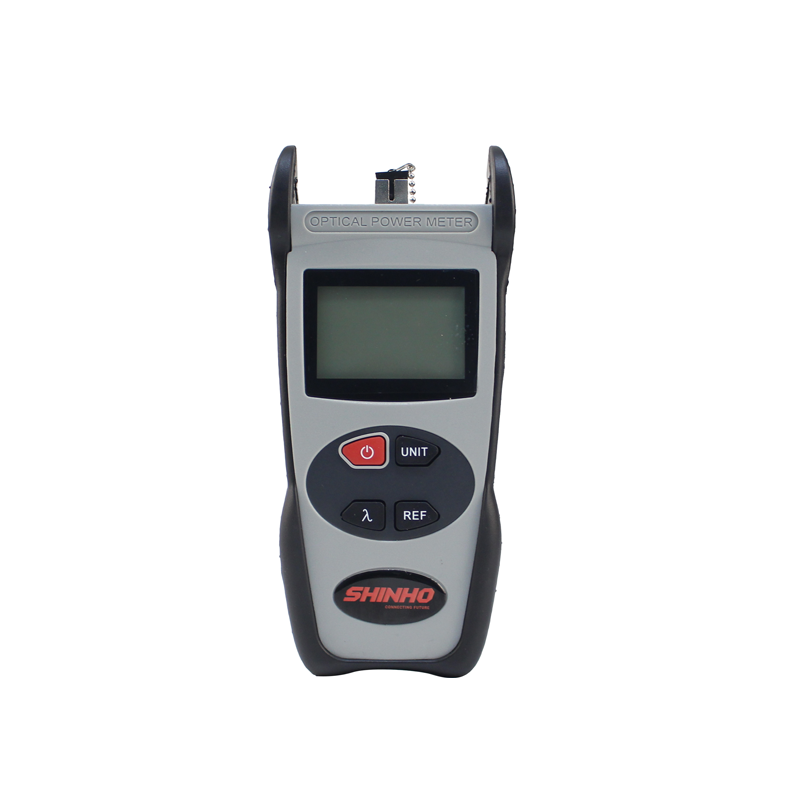
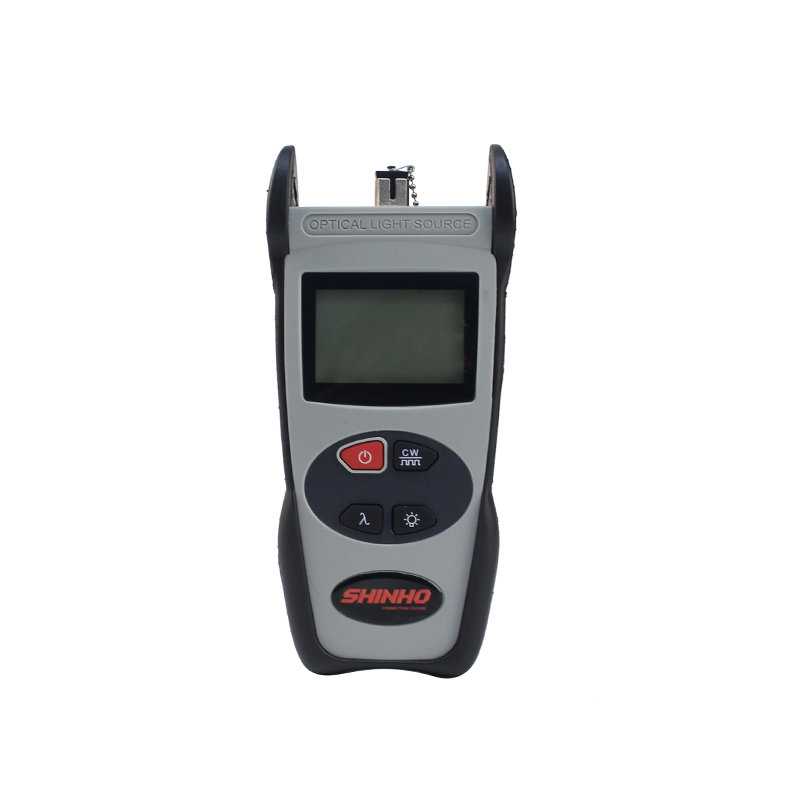
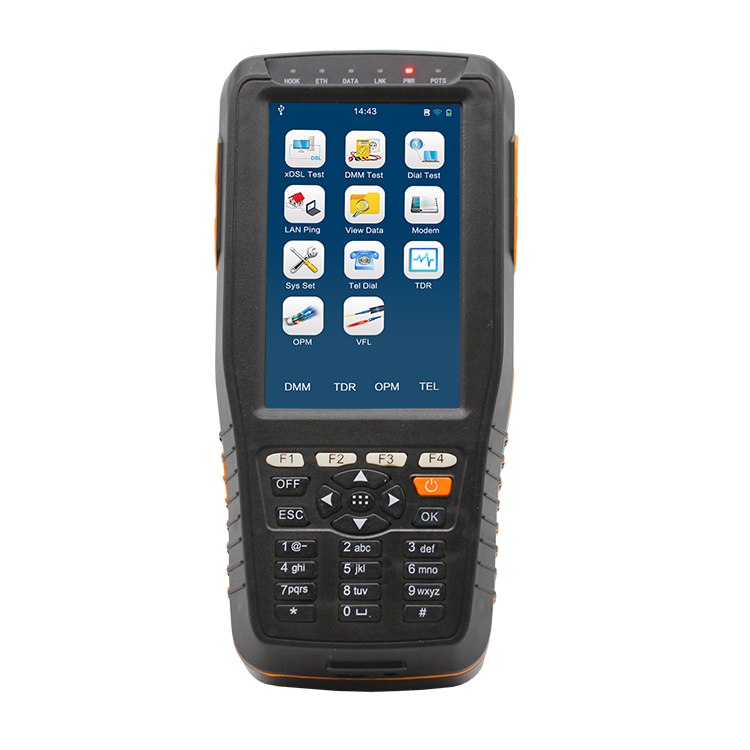
OTDR options span from compact handheld units built for quick field checks through to advanced instruments offering finer dead-zone performance and higher sampling resolution for demanding construction and rugged field environments, plus a 12-in-1 multi-function model that consolidates several test capabilities into a single touchscreen instrument. Optical power meters and light sources work as a matched pair for insertion loss testing — the light source injects a known signal at one end while the power meter measures what arrives at the other, the standard method for verifying a fiber link's actual loss against its budget.
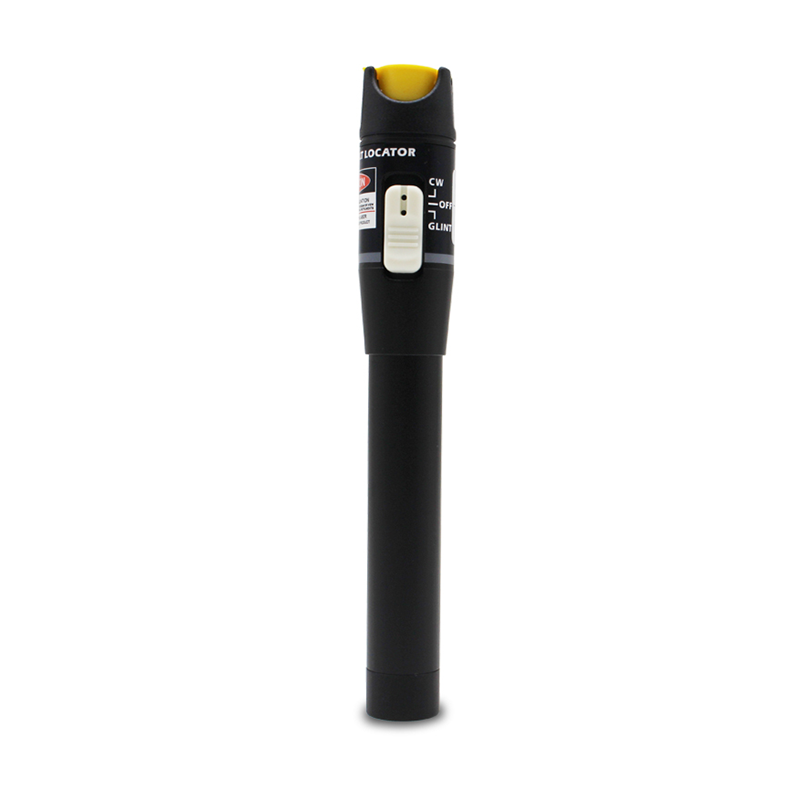
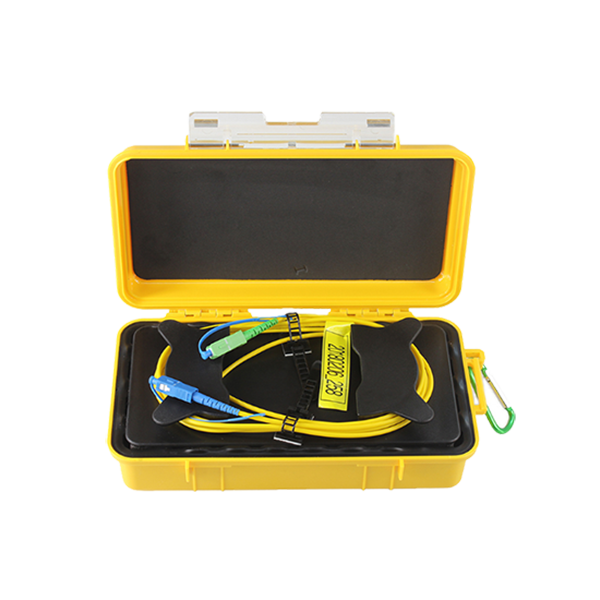
Visual fault locators inject a visible red laser to let a technician trace a fiber and spot breaks, bad splices, or connector faults by eye — a fast, low-cost first diagnostic step before reaching for more sophisticated instrumentation. Combined copper/fiber testers extend this toolkit to DSL network work where a technician needs both copper and fiber diagnostic capability in one device, and OTDR launch cables eliminate the near-end dead zone that would otherwise mask events close to the OTDR itself, ensuring accurate measurement of connectors and splices near the test point.
Frequently Asked Questions
What's the difference between what an OTDR and a power meter each measure?
An OTDR sends a light pulse down the fiber and measures the light reflected and scattered back, building a trace that shows loss and reflectance at each point along the fiber's length — useful for locating a specific fault or splice. A power meter measures the actual light power arriving at a point, typically paired with a known light source at the far end, giving a direct end-to-end loss measurement rather than a point-by-point trace.
Why would a launch cable be needed alongside an OTDR?
An OTDR has a "dead zone" immediately after each launch point where it can't accurately resolve closely-spaced events, caused by the reflection from the OTDR's own connector. A launch cable of sufficient length moves this dead zone away from the connectors and splices under test near the OTDR, letting those near-end events be measured accurately rather than hidden inside the dead zone.
When would a visual fault locator be preferred over a full OTDR trace?
A visual fault locator is faster and simpler for locating an obvious break, bad splice, or connector fault close to the test point, letting a technician trace the fiber by eye without setting up and interpreting a full OTDR trace — useful as a quick first diagnostic step, with an OTDR reserved for faults that aren't visible or are further down the fiber's length.