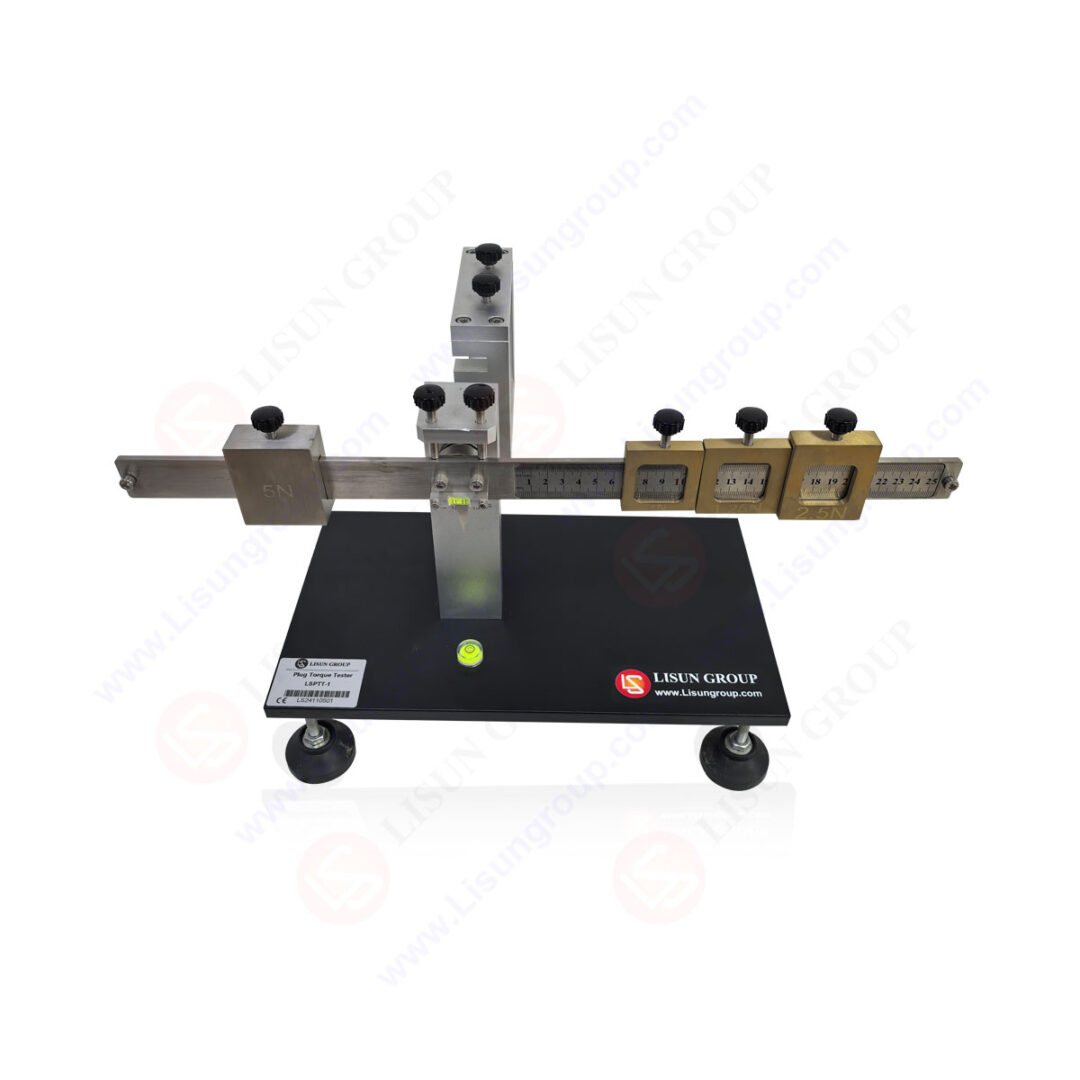
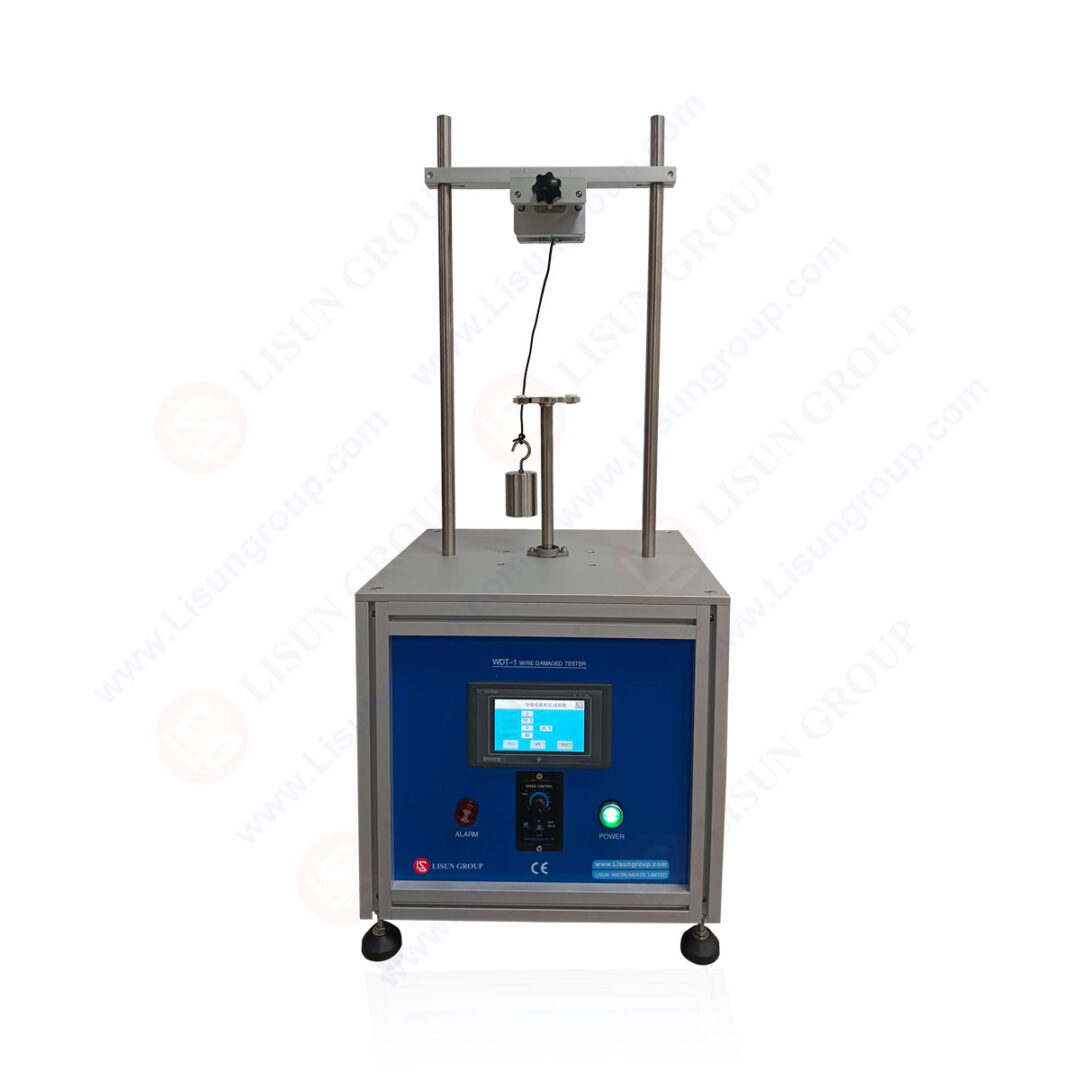
Plug, Switch & Cable Mechanical Test Equipment
Torque, grip, bending, torsion, and cycle-life durability testing for plugs, sockets, switches, and cables.
A plug, socket, or switch is handled far more often over its lifetime than most other electrical components — inserted, removed, flexed, and switched thousands of times, often by end users with no particular care for the product's rated cycle life. Mechanical durability testing exists to catch designs that pass electrical safety testing but fail well before their expected service life under this repeated physical handling.
This range covers the mechanical stress categories that matter for plugs, sockets, switches, and cables specifically: torque testing for plug pin and connector engagement force, grip and pull-force testing for cable retention and strain relief, bending and torsion testing for cable flex-life qualification, and cycle-life durability testers that repeatedly operate a switch or socket to its rated number of operations to confirm it still performs to specification at end of life. Gasket testing and cold-weather impact testing round out the range, addressing sealing integrity and the increased brittleness that plastics and rubber components can exhibit at low temperature — a product that passes impact testing at room temperature isn't necessarily proven for cold-climate deployment.
These tests are typically specified as part of broader product safety and performance standards for plugs and switches (such as IEC 60884 for plugs and socket-outlets, or IEC 61058 for switches), rather than as standalone requirements — mechanical durability failure is one of several pass/fail criteria a product needs to clear as part of full compliance testing.
Frequently Asked Questions
Why does cold-weather impact testing matter if my product is sold in a temperate climate?
Many product safety standards specify low-temperature impact testing regardless of the intended climate, because plastics and rubber components become measurably more brittle at reduced temperature, and a product needs to demonstrate it won't fail during shipping, storage, or incidental cold exposure even if it's not primarily sold in a cold-climate market.
What's the difference between torque testing and grip/pull-force testing?
Torque testing measures the rotational force involved in plug/socket engagement and connector fit, relevant to insertion and removal force specifications. Grip and pull-force testing instead measures the axial force needed to pull a cable free of its strain relief or connector, relevant to cable retention and preventing accidental disconnection under normal handling.
How many cycles does cycle-life durability testing typically run?
This depends entirely on the applicable product standard's specified rated life — a switch or socket-outlet standard typically defines a minimum number of operating cycles the product must survive while remaining within its electrical and mechanical specification, and the test runs to that specified count rather than a fixed generic number.