Fiber Cleavers & Preparation Tools
Precision Cleaving and Fiber Preparation for Low-Loss Splicing
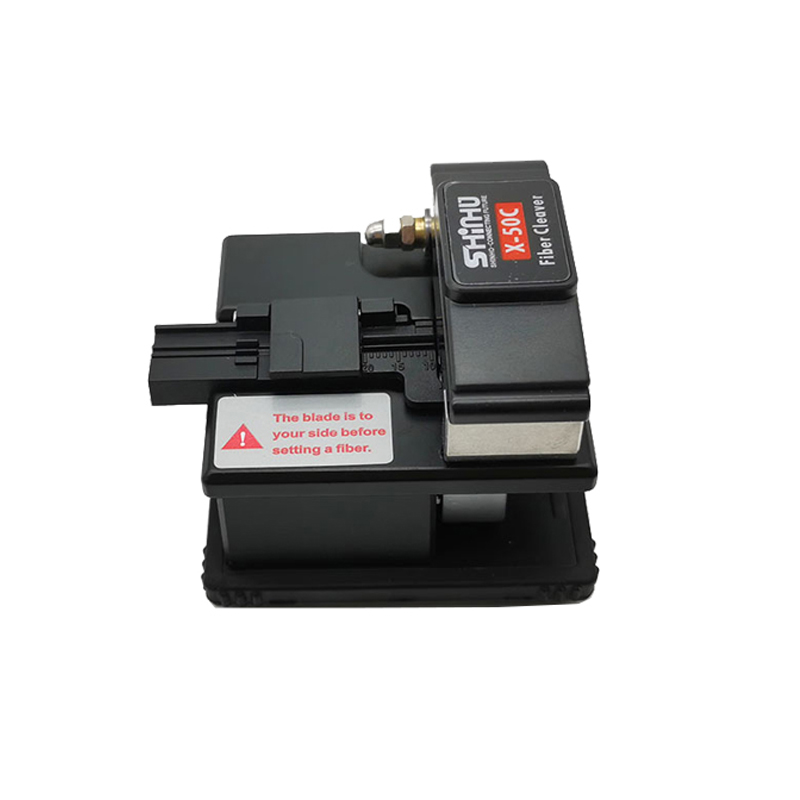
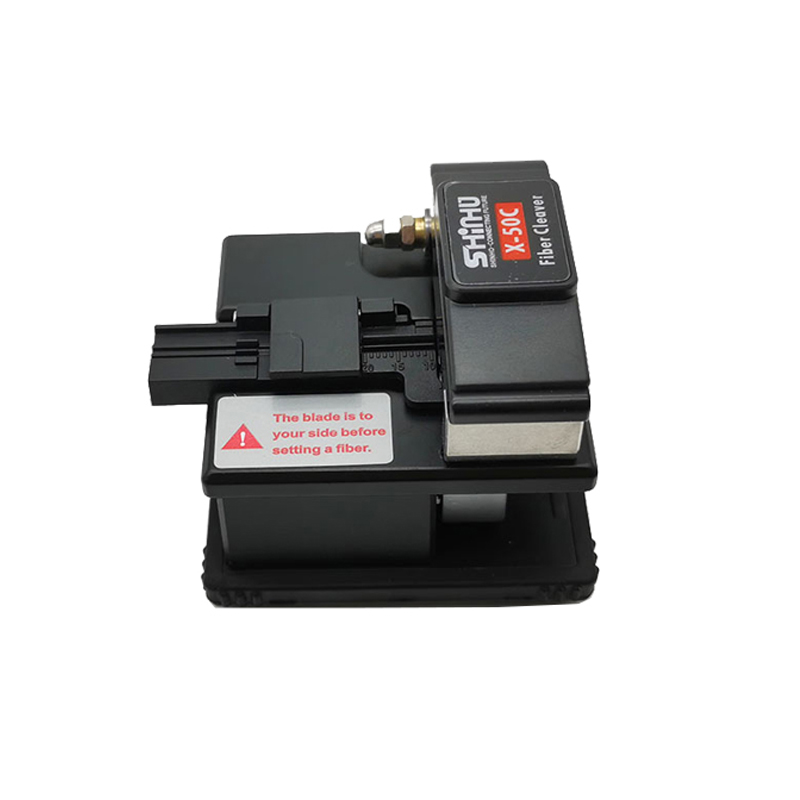
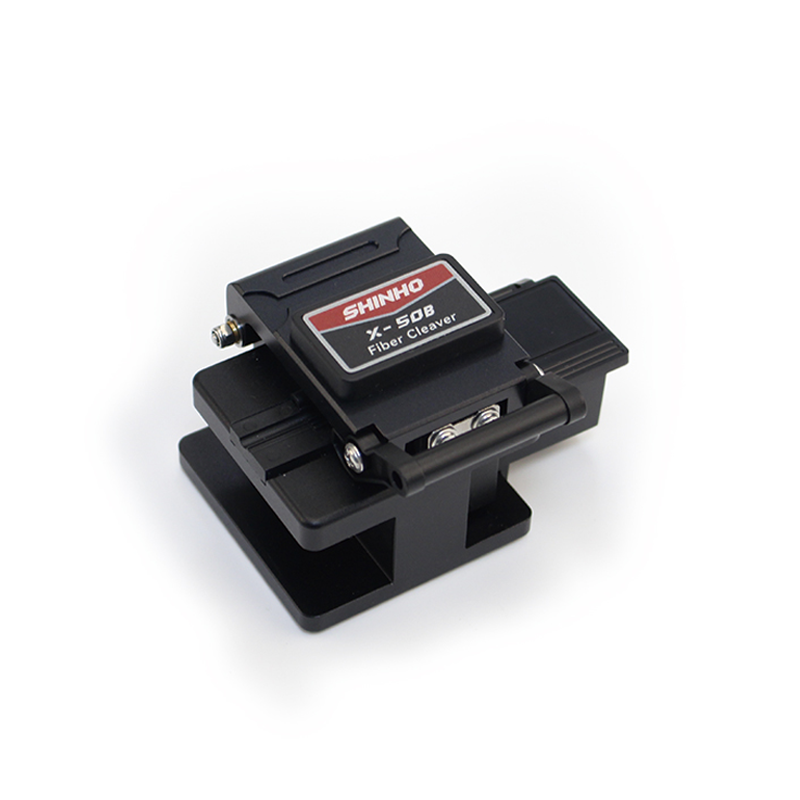
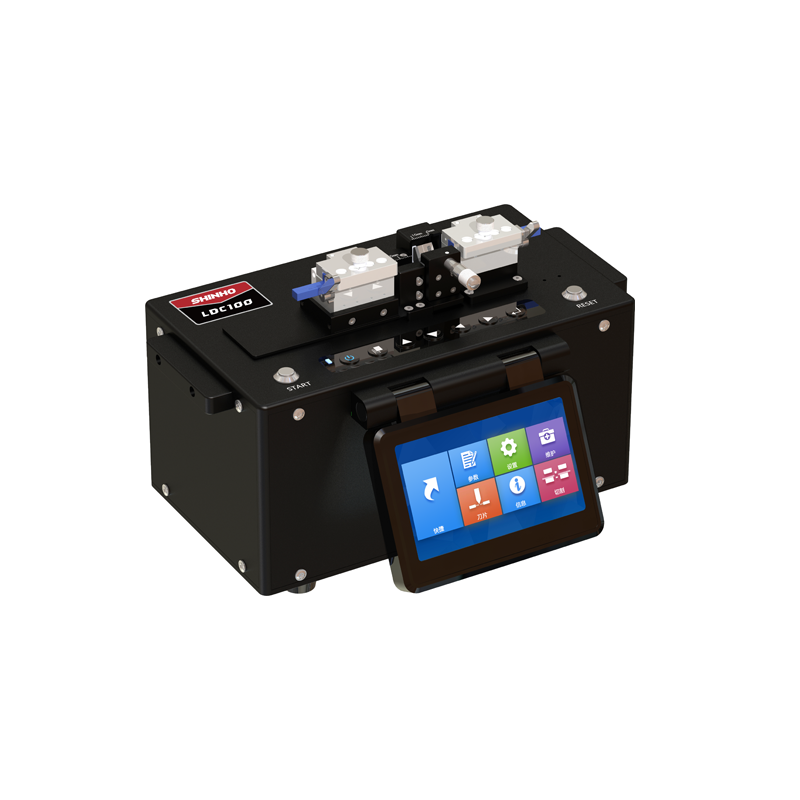
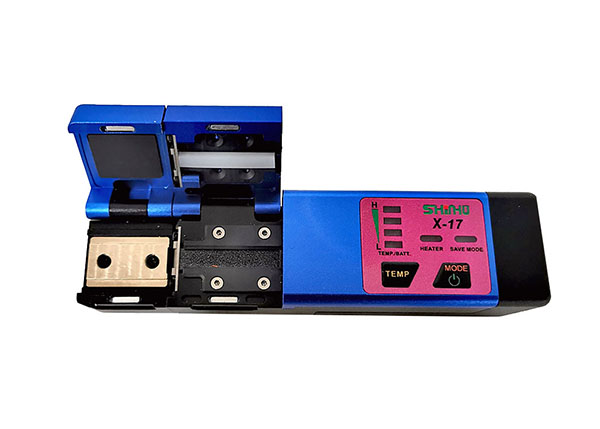
A fusion splicer can only produce a low-loss splice from a cleanly and precisely cleaved fiber end — no amount of splicer sophistication compensates for a poor cleave angle or a chipped or hackled fiber end-face going into the splice. XHFiber's fiber cleaver and preparation tool range covers this critical preparation step, from precision handheld cleavers rated for tens of thousands of cleaves through to specialty tools for large-diameter and ribbon fiber.
The high-precision cleaver range — rated for 48,000+ cleaves before blade replacement — spans standard single-mode fiber configurations as well as a dedicated variant for polarization-maintaining (PM) fiber, where cleave quality affects not just splice loss but the polarization-axis alignment PM fiber applications depend on. For fiber outside standard single-mode dimensions, large-diameter cleavers cover an 80–1250μm cladding range, and an ultrasonic-vibration cleaver handles the thinner 40–80μm fiber used in specialty applications where a standard cleave mechanism isn't well suited.
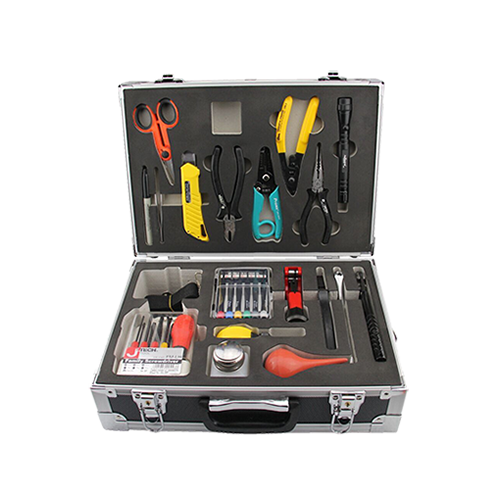
Beyond cleaving, thermal strippers remove fiber coating and jacket non-destructively for both single fiber and ribbon cable up to 12 fibers, preserving fiber integrity in a way mechanical stripping methods can risk compromising. Complete fusion splicing tool kits bundle stripping and preparation tools together for field technicians who need a full preparation toolkit on hand rather than assembling individual tools separately, scaling from compact economical kits to comprehensive 22-item sets.
Frequently Asked Questions
Why does cleave quality matter so much for the final splice loss?
A fusion splicer aligns and fuses two fiber end-faces together, and it can only work with the end-face quality the cleave produces — a cleave angle outside tolerance, or a chipped or hackled end-face, introduces a gap or misalignment at the fusion point that increases splice loss regardless of how well the splicer itself performs. Cleave quality is a precondition for splicer performance, not a separate variable.
Why does polarization-maintaining fiber need a dedicated cleaver variant?
PM fiber splicing depends on aligning the fiber's stress-rod axis, not just its core, and a cleave that introduces any additional angular deviation can compound the difficulty of achieving correct axis alignment during splicing. A cleaver variant built specifically for PM fiber accounts for this additional precision requirement.
What's the advantage of thermal stripping over mechanical stripping methods?
Thermal stripping softens the fiber coating before removal rather than relying purely on a mechanical shearing or scraping action, reducing the risk of nicking or weakening the glass fiber itself during coating removal — a non-destructive approach that helps preserve the fiber's mechanical strength going into the splice or termination step.