Earth Resistance & Grounding Test
Complete Grounding Verification from Handheld to Substation-Scale Testing
Effective grounding is one of those safety fundamentals that's invisible when it's working and dangerous when it isn't — a properly grounded system provides a low-impedance path for fault current to safely dissipate, while a degraded or inadequate ground connection can leave equipment enclosures at dangerous potential during a fault, or compromise lightning protection when it's actually needed. This range spans grounding verification from routine handheld checks through to substation-scale infrastructure testing.
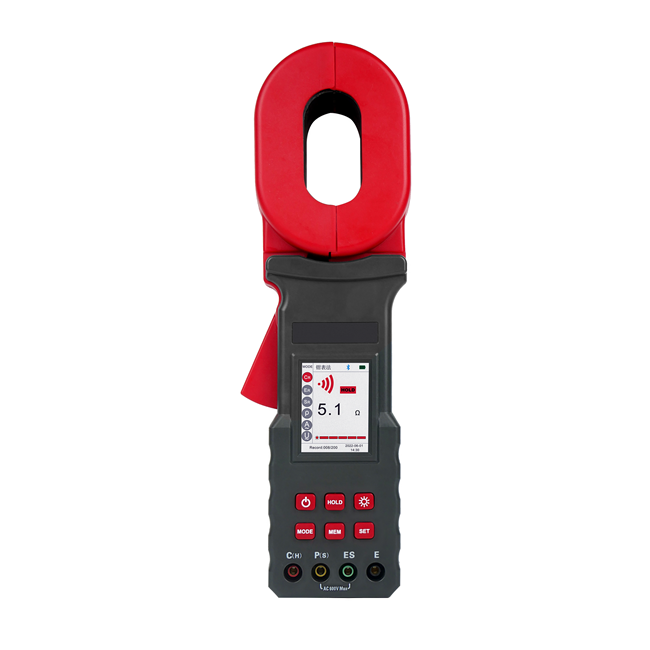
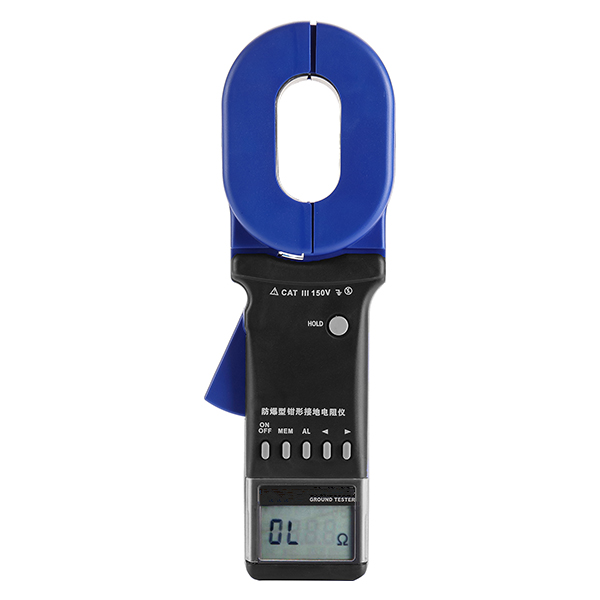
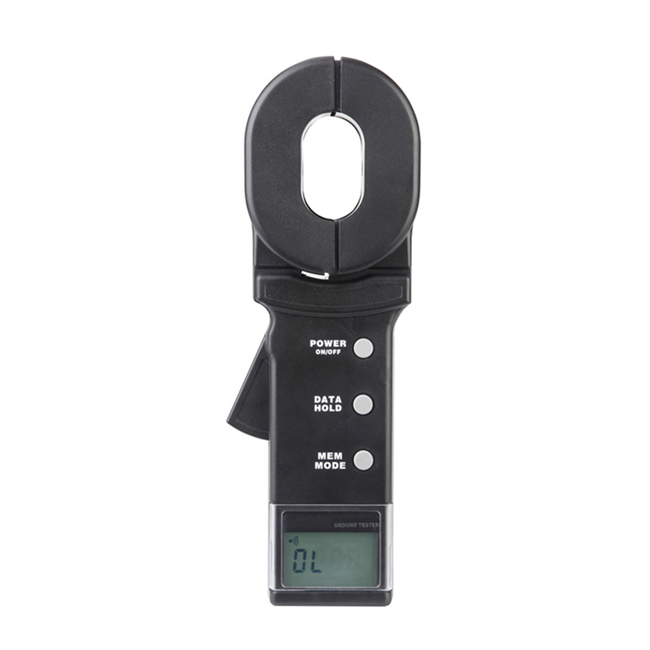
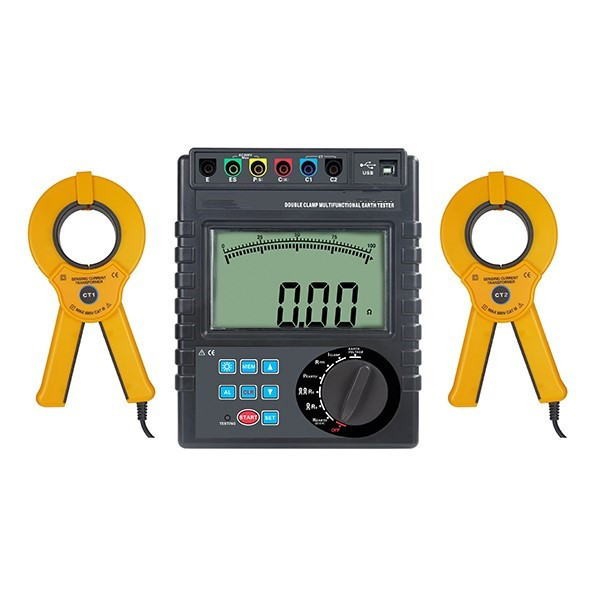
Clamp-on earth resistance testers cover the most common maintenance and compliance check — measuring earth resistance without needing to disconnect the ground conductor — across a working range from 0.01Ω up to 1500Ω, suited to everything from individual equipment grounding checks through to larger installation verification. Soil resistivity testing, using 2-wire, 3-wire, 4-wire, and Wenner array methods, measures the ground itself rather than a specific installation's connection to it — essential input for designing a new grounding system or investigating why an existing system isn't performing to specification, since soil resistivity varies significantly with moisture, composition, and depth.
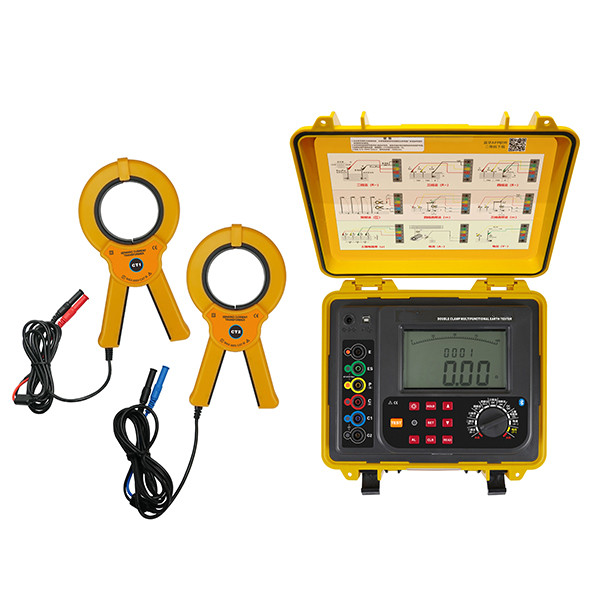
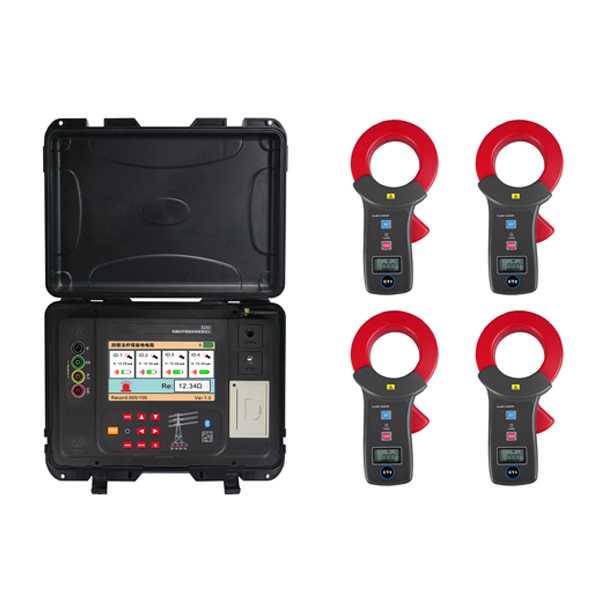
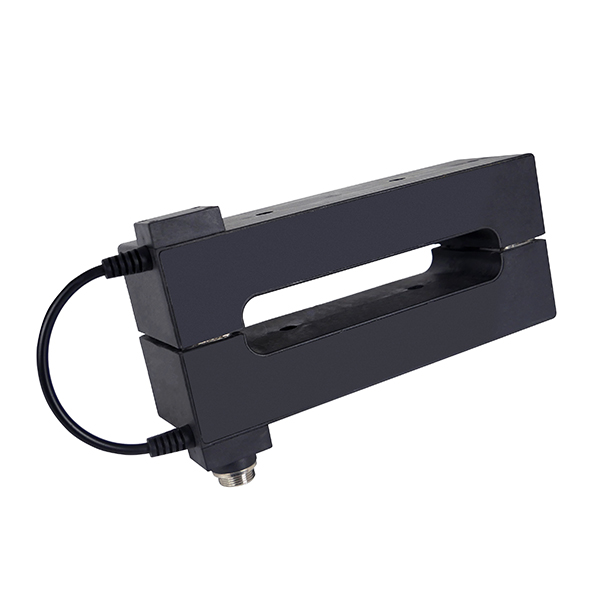
Online earth resistance monitoring — available in contact, open-loop, and closed-loop configurations — extends grounding verification from a periodic spot-check into continuous monitoring, useful for critical infrastructure where a grounding fault needs to be detected as it develops rather than waiting for the next scheduled test. Large grounding grid testers address the specific measurement challenge of substation-scale grounding systems, where the grid's sheer size and the presence of multiple interconnected ground paths make a simple two-point resistance measurement inadequate.
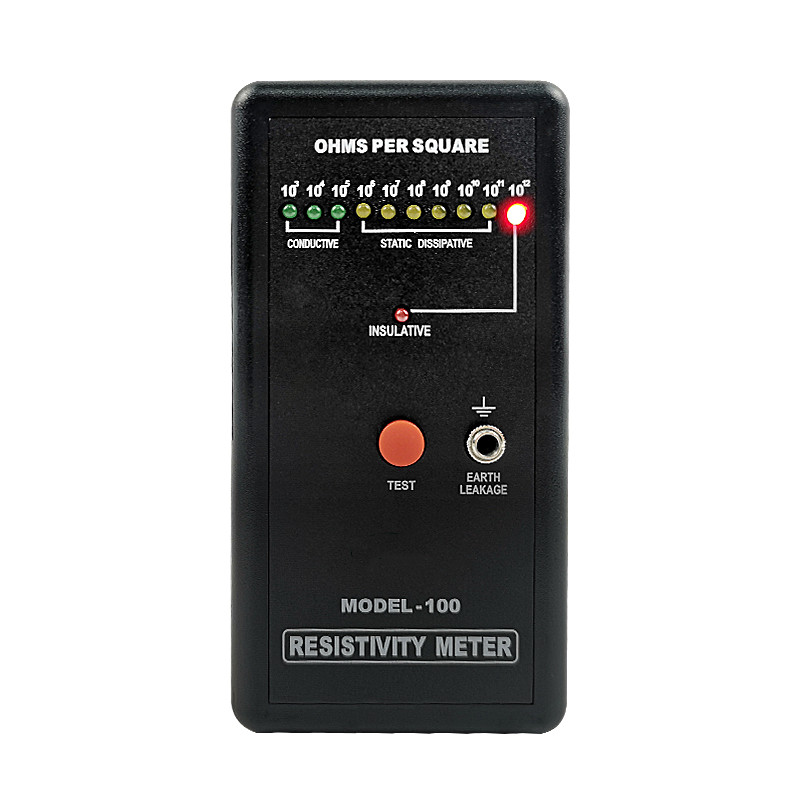
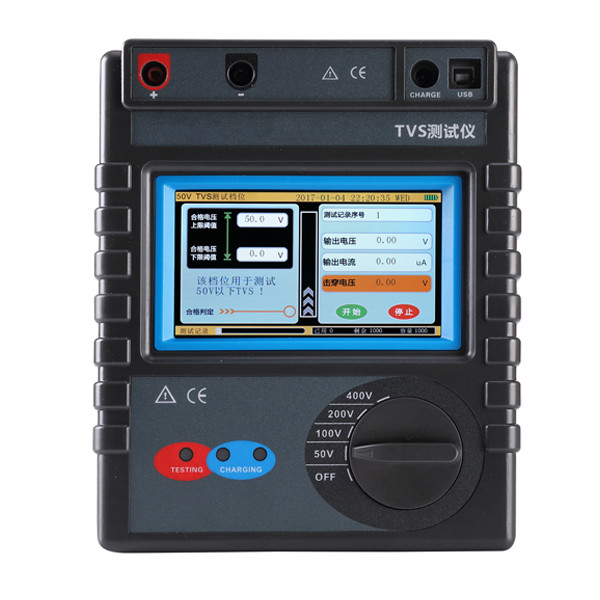
Lightning protection and TVS (transient voltage suppressor) component testers round out the range, verifying that surge arresters and protection devices — which are only called upon during a lightning strike or transient event — actually remain functional, since a failed surge protection device typically shows no outward sign of failure until the moment it's needed and doesn't perform.
Frequently Asked Questions
Why would I need soil resistivity testing instead of just measuring earth resistance directly?
Earth resistance testing measures how well a specific, already-installed grounding system performs. Soil resistivity testing measures a property of the ground itself, independent of any installed grounding electrode — it's the input needed to design a new grounding system correctly, or to diagnose whether poor grounding performance is caused by the installation itself or by the underlying soil conditions.
What's the advantage of online earth resistance monitoring over periodic testing?
Periodic testing only reveals a grounding problem at the time of the test, potentially leaving a degraded connection undetected for months between scheduled checks. Online monitoring continuously tracks earth resistance and can flag a developing problem as it happens, which matters most for critical infrastructure where an undetected grounding fault carries meaningful safety or reliability consequences.
Why is testing large grounding grids different from testing a single ground rod?
A substation-scale grounding grid consists of many interconnected ground conductors and electrodes working together, and their combined performance can't be accurately assessed by measuring any single point in isolation the way a standalone ground rod can. Large grounding grid testers use specialised methods designed to evaluate the grid's overall performance as an interconnected system.