Fusion Splicers
From Entry-Level FTTH to Precision Core-Alignment and Specialty Fiber Splicing
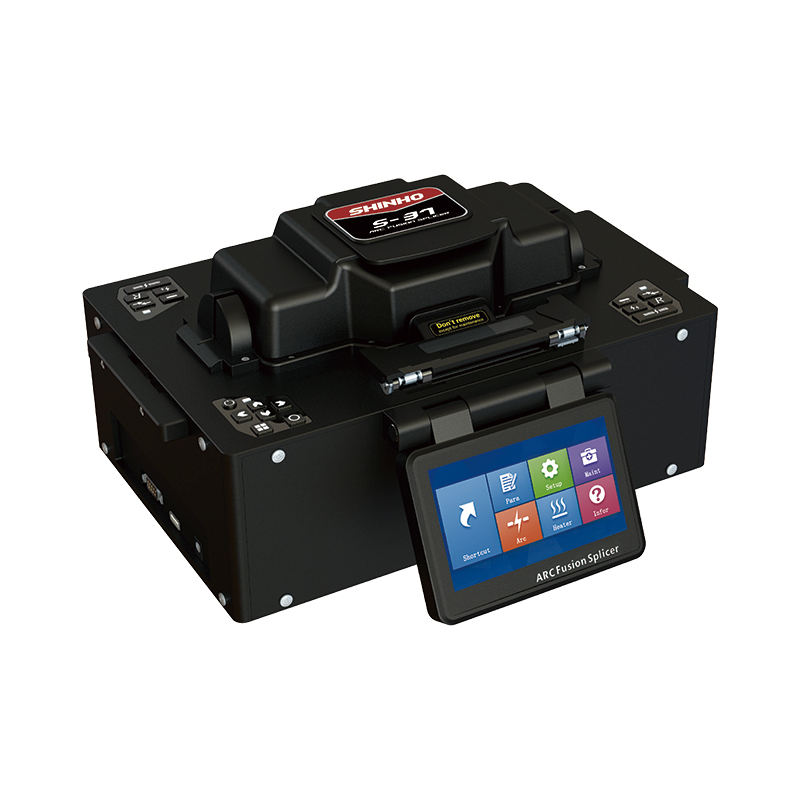
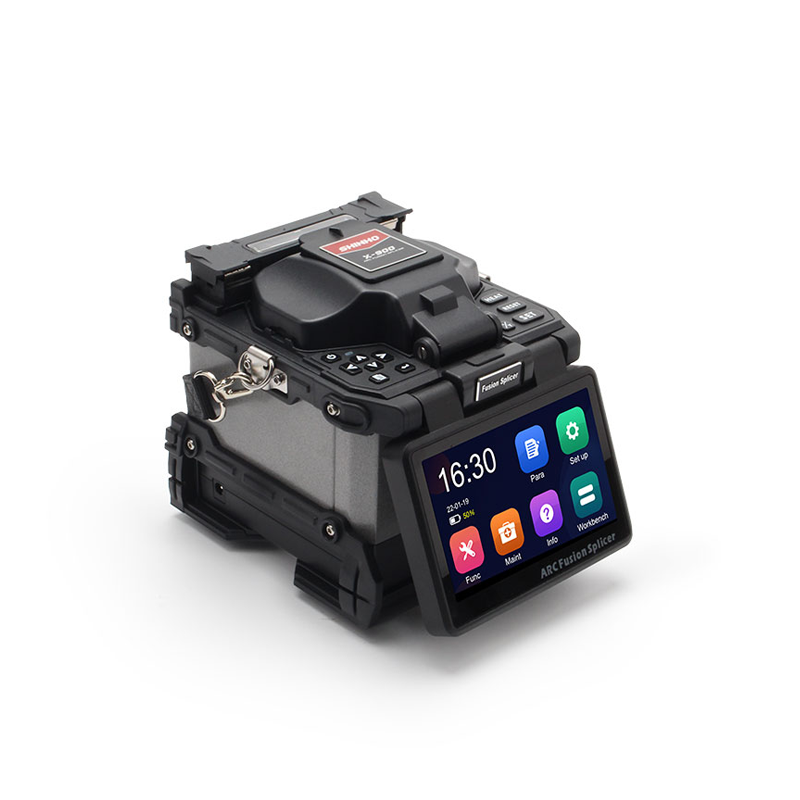
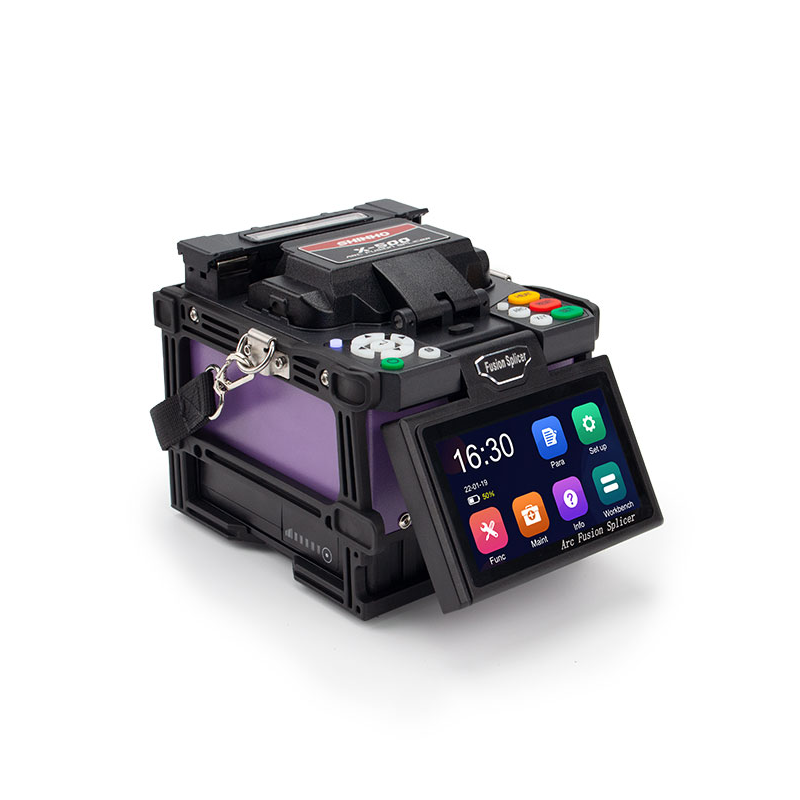
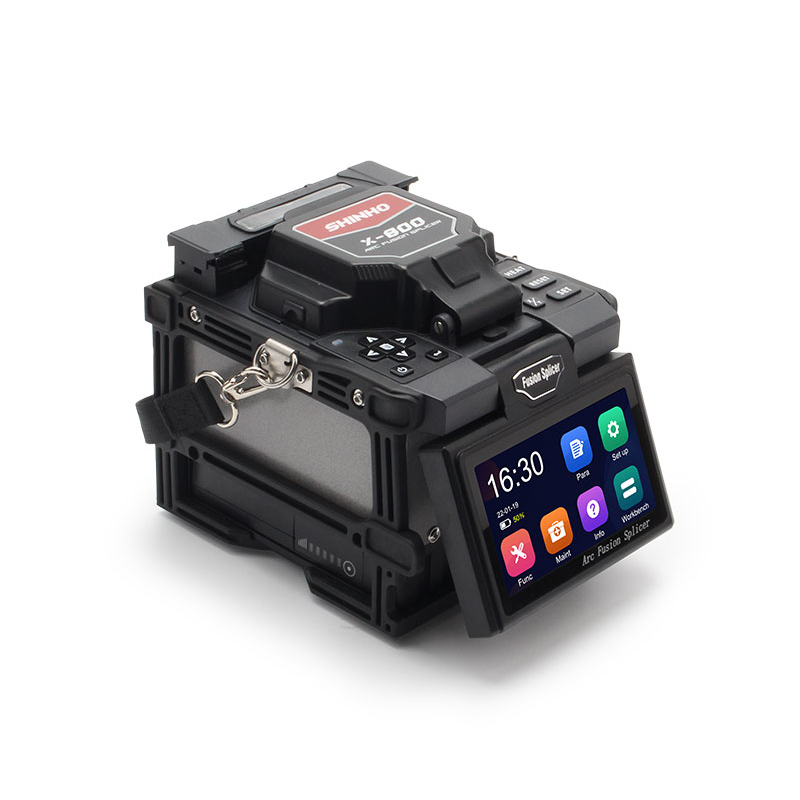
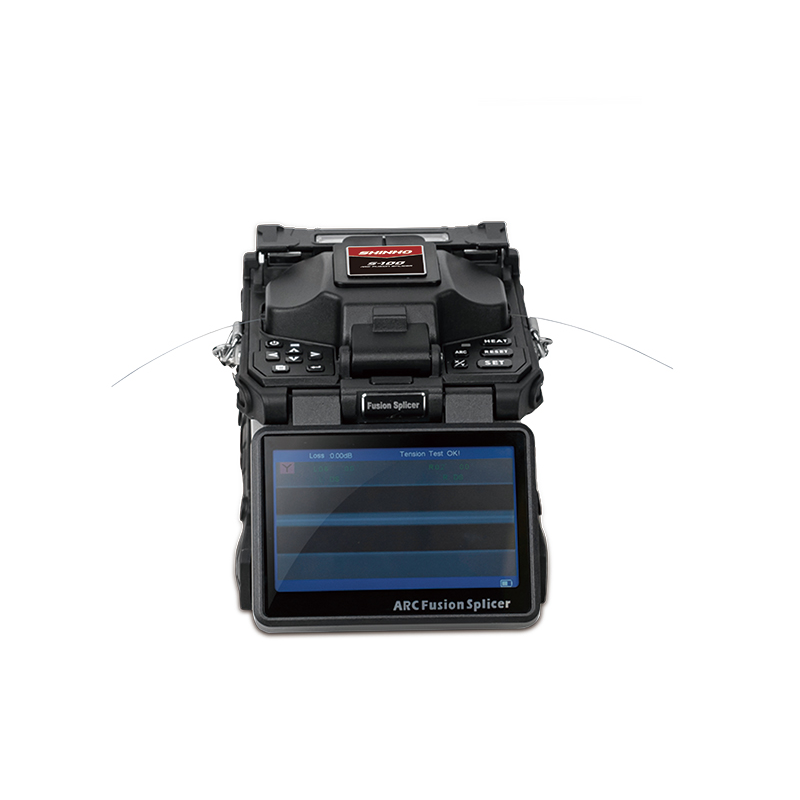
A fusion splicer's job is straightforward to state and hard to do well: join two optical fibers together with minimal added signal loss. XHFiber's fusion splicer range covers this task across a wide span of applications and fiber types — from entry-level FTTH splicers built for fast access-network installation through to precision core-alignment splicers and specialty machines for large-diameter, polarization-maintaining, and multi-core fiber.
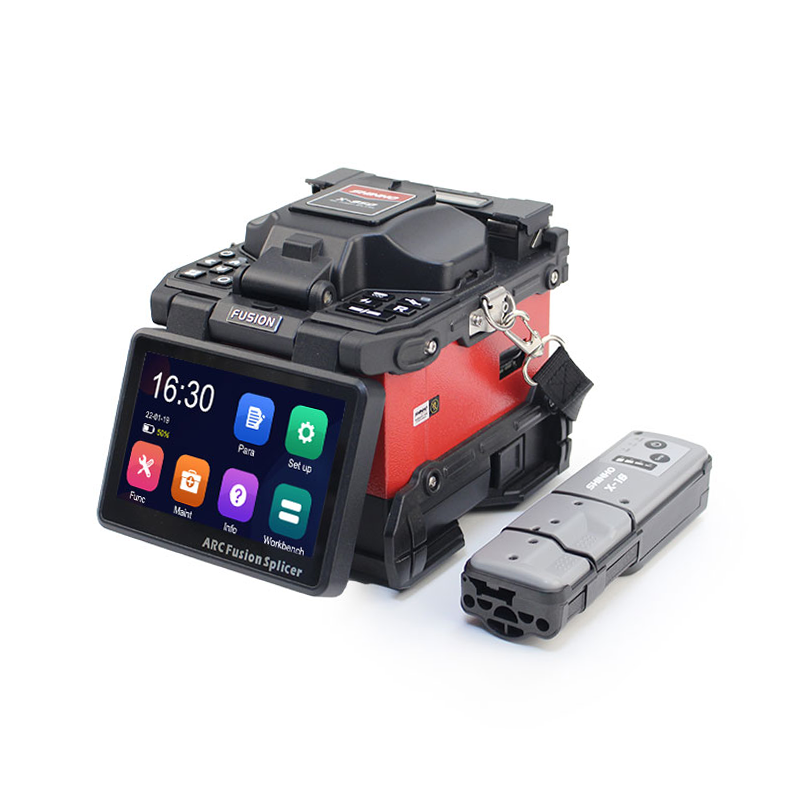
The premium core-alignment tier uses true core-to-core alignment rather than cladding alignment, actively imaging and aligning the fiber cores themselves rather than assuming they're centred within the cladding — the difference matters because core eccentricity, even within manufacturing tolerance, can introduce splice loss that cladding-alignment splicers can't compensate for. This tier reaches typical splice losses as low as 0.02dB on standard single-mode fiber, with splice times as fast as 6 seconds. FTTH and FTTx splicers prioritise speed and portability for high-volume access-network and drop-cable installation, where a technician needs to complete many splices quickly rather than chase the absolute lowest possible loss on each one.
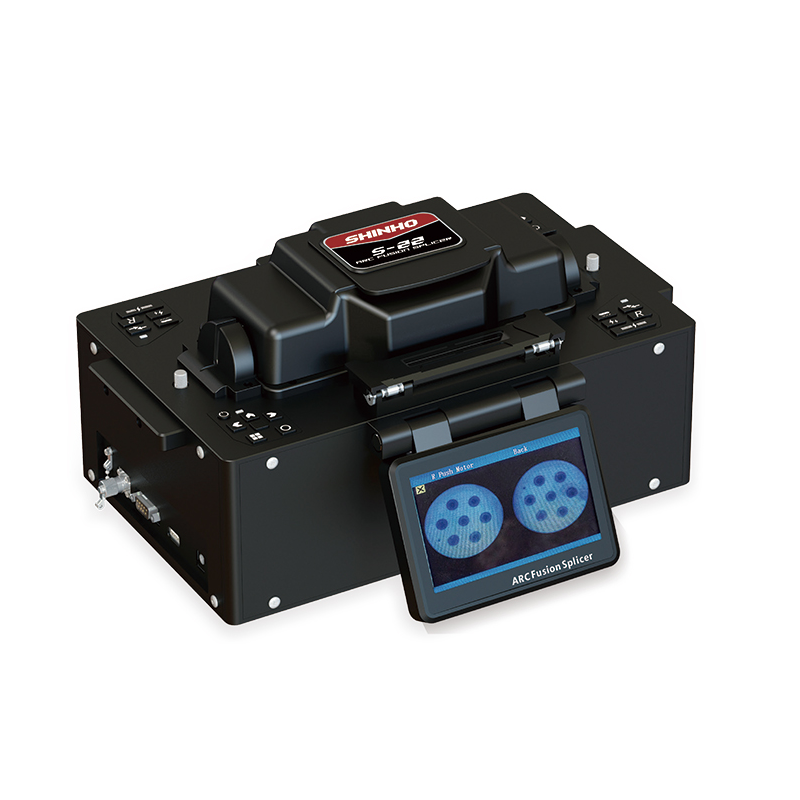
Beyond general-purpose and FTTH splicing, this range covers the specialty applications that a standard splicer isn't built for: ribbon fiber splicers handling single fiber through 12-core ribbon bundles, large-diameter splicers for cladding up to 680μm and coating up to 1000μm, and dedicated splicers for multi-core fiber (MCF), polarization-maintaining fiber, hollow-core fiber, and ultra-thin 50–80μm diameter fiber — each requiring alignment and fusion parameters a general-purpose splicer isn't calibrated for. Rugged field-ready designs with drop resistance and IP-rated dust/water protection, plus real-time ARC calibration and heating temperature monitoring, keep splice quality consistent across the range of field conditions these machines actually work in.
Frequently Asked Questions
What's the practical difference between core alignment and cladding alignment in a fusion splicer?
Cladding alignment aligns the outer glass cladding of each fiber and assumes the core sits centred within it, which holds true within normal manufacturing tolerance but not perfectly. Core alignment images and aligns the actual fiber cores directly, compensating for core eccentricity and generally achieving lower, more consistent splice loss — at the cost of a more complex, typically more expensive splicer mechanism.
Why would multi-core or polarization-maintaining fiber need a dedicated splicer rather than a general-purpose one?
Multi-core fiber requires rotational alignment to match multiple cores across the splice, not just X/Y/Z positioning, while PM fiber requires stress-rod axis alignment to preserve the fiber's polarization-maintaining property through the splice. A general-purpose splicer built for standard single-mode alignment isn't equipped with the additional alignment axes and detection methods these specialty fiber types require.
Why do FTTH splicers prioritise speed over the lowest possible splice loss?
FTTH and access-network installation involves a high volume of splices completed under time pressure, where a splice loss that's good but not the absolute minimum is an acceptable tradeoff for significantly faster splice times and a more portable, field-ready form factor — different from a backbone or long-haul application where minimizing loss on each individual splice matters more than throughput.