Fiber Inspection, Identification & Cleaning
Connector Inspection, Live Fiber Identification, and Cleaning
A splice or connection is only as good as the fiber end-face it's made on, and even a properly cleaved fiber will produce a poor connection if the end-face is contaminated — a single particle of dust on a connector can scatter enough light to cause excess loss or reflectance that shows up as intermittent faults later. XHFiber's inspection, identification, and cleaning range addresses this directly: verifying connector and fiber status before a connection is made or trusted, rather than troubleshooting problems after the fact.
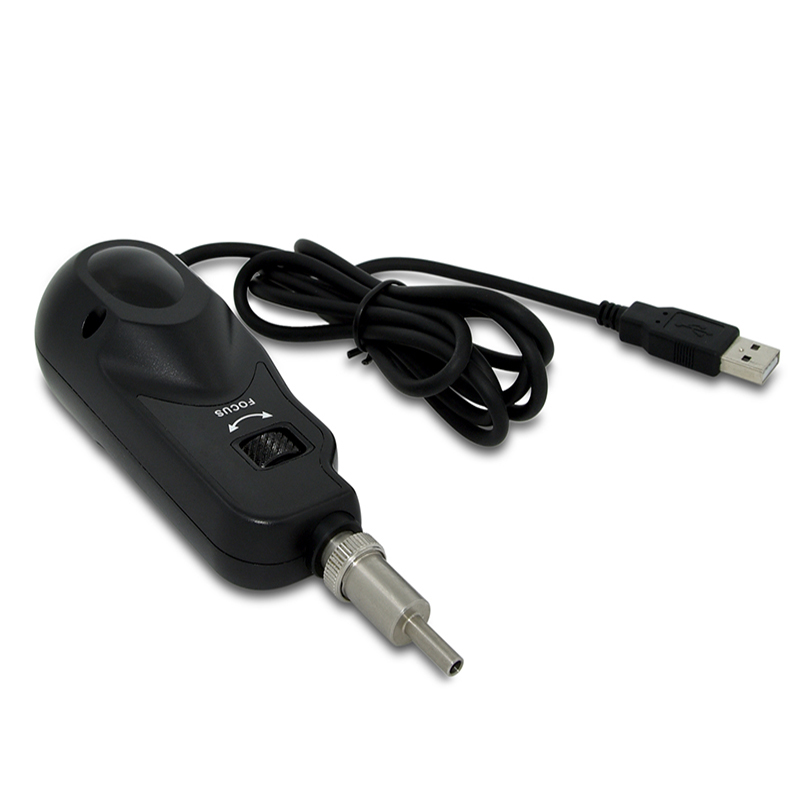
USB video inspection probes let a technician actually see a connector end-face at magnification before mating it, catching contamination or scratches that aren't visible to the naked eye — a quick check that prevents a far more time-consuming fault diagnosis later. Non-destructive optical fiber identifiers complement this by detecting signal direction and tone without breaking the connection, letting a technician confirm which fiber is live and which direction traffic is flowing before doing any work on it, a basic safety and workflow step in any live network environment.
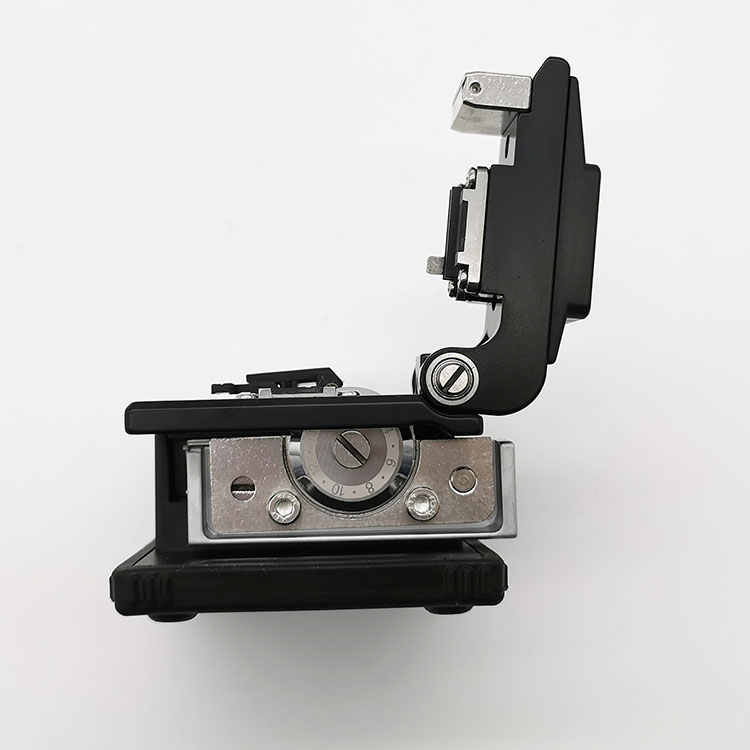
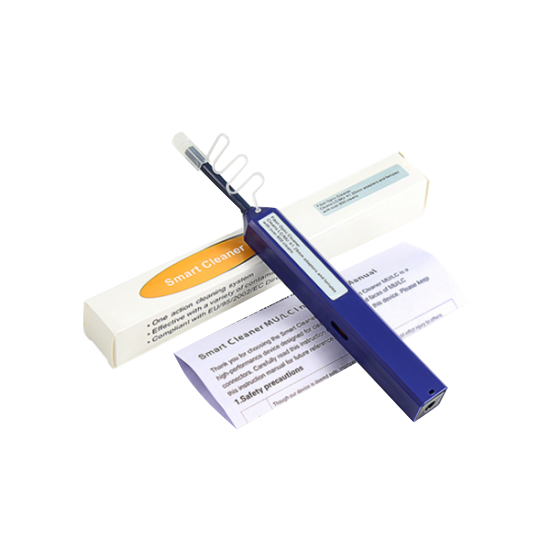
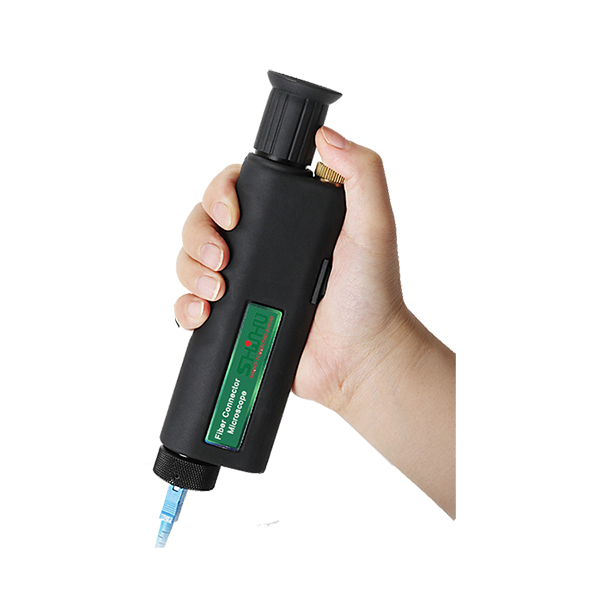
One-click disposable cleaners round out the range, covering both LC (1.25mm) and SC/ST/FC (2.5mm) connector types with anti-static resin construction rated for 800+ cleanings per unit. Paired with a fiber inspection microscope for visual verification and Kevlar-cutting shears for armored cable preparation, this range covers the routine inspection and cleaning discipline that keeps splice and connector quality consistent across a field crew's daily work.
Frequently Asked Questions
Why does connector end-face contamination matter so much for fiber performance?
Even microscopic contamination on a fiber end-face can scatter or absorb light at the connection point, introducing excess insertion loss or back-reflection that degrades signal quality — and because this kind of fault is intermittent and location-specific, it's often harder to diagnose after installation than to prevent with a quick pre-connection inspection and clean.
How does a non-destructive fiber identifier work without physically accessing the fiber core?
A non-destructive identifier bends the fiber slightly to couple a small amount of light out of the cladding without breaking the connection, detecting whether the fiber is carrying a signal and, on models with tone detection, which direction that signal is travelling — letting a technician confirm a fiber's status before doing any work on it.
Why use a one-click cleaner rather than a wipe-and-solvent cleaning method?
A one-click cleaner delivers a consistent, repeatable cleaning motion and contact pressure every time, reducing the variability that comes with manual wipe cleaning technique — useful in field conditions where a fast, reliable clean matters more than a lab-grade manual cleaning process, and rated for hundreds of cleanings before the cleaning surface needs replacing.