LED Life & Aging Test Equipment
Accelerated Lumen Maintenance and Driver Aging Testing to LM-80/LM-84
An LED's rated lumen maintenance and a driver's rated service life are both projections built from accelerated testing — no manufacturer runs a product for its full rated 50,000+ hour life before shipping it, so standardised aging and lumen maintenance protocols exist to generate reliable long-term performance projections from a much shorter test duration. LISUN's LEDLM / SY / M9822 Series covers this accelerated testing scope end to end: lumen maintenance testing to IES LM-80/LM-84, high-cycle-count lamp life testing, multi-layer aging racks, and LED driver electrical characterisation.
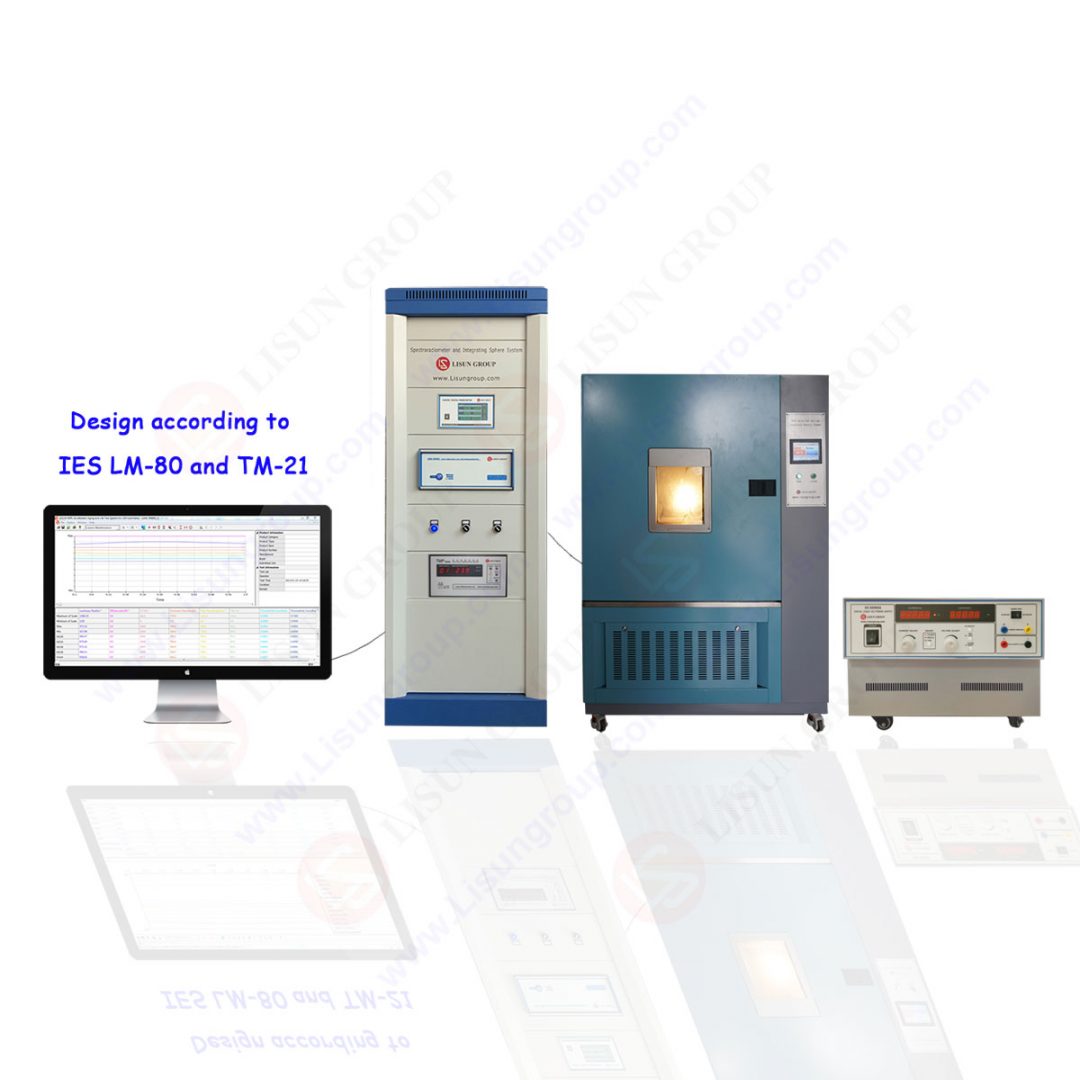
LM-80 and LM-84 lumen maintenance testing — combined with the TM-21 and TM-28 projection models — takes measured lumen depreciation over a defined test period (often 6,000 hours) and projects forward to estimate when a light source will reach L70 or L50 lumen maintenance thresholds, the standard basis for LED rated-life claims across the industry. Running this testing accurately, with stable thermal and electrical conditions over thousands of hours, is what a dedicated LM-80/LM-84 test system is built for, as distinct from a general-purpose environmental chamber pressed into aging duty.
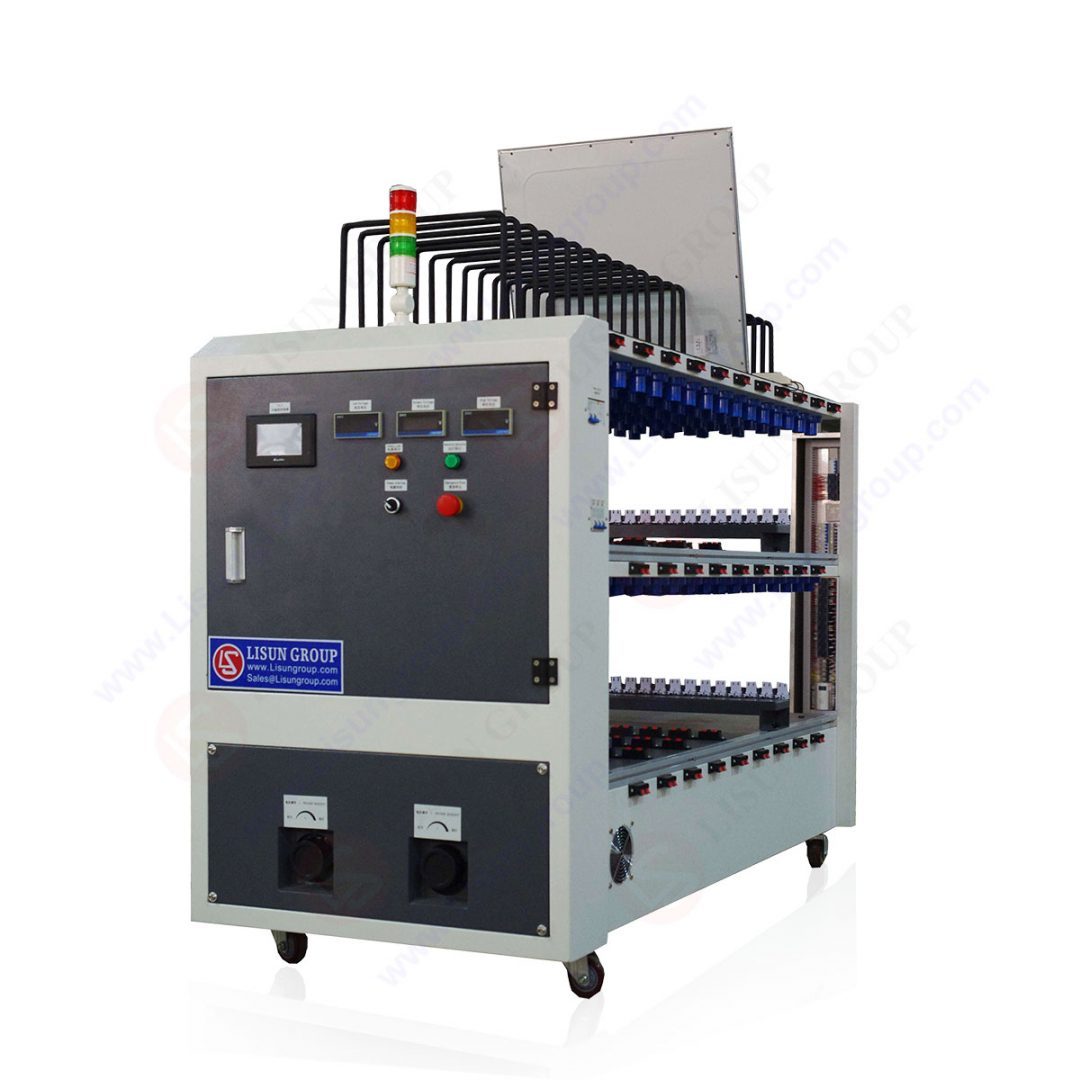
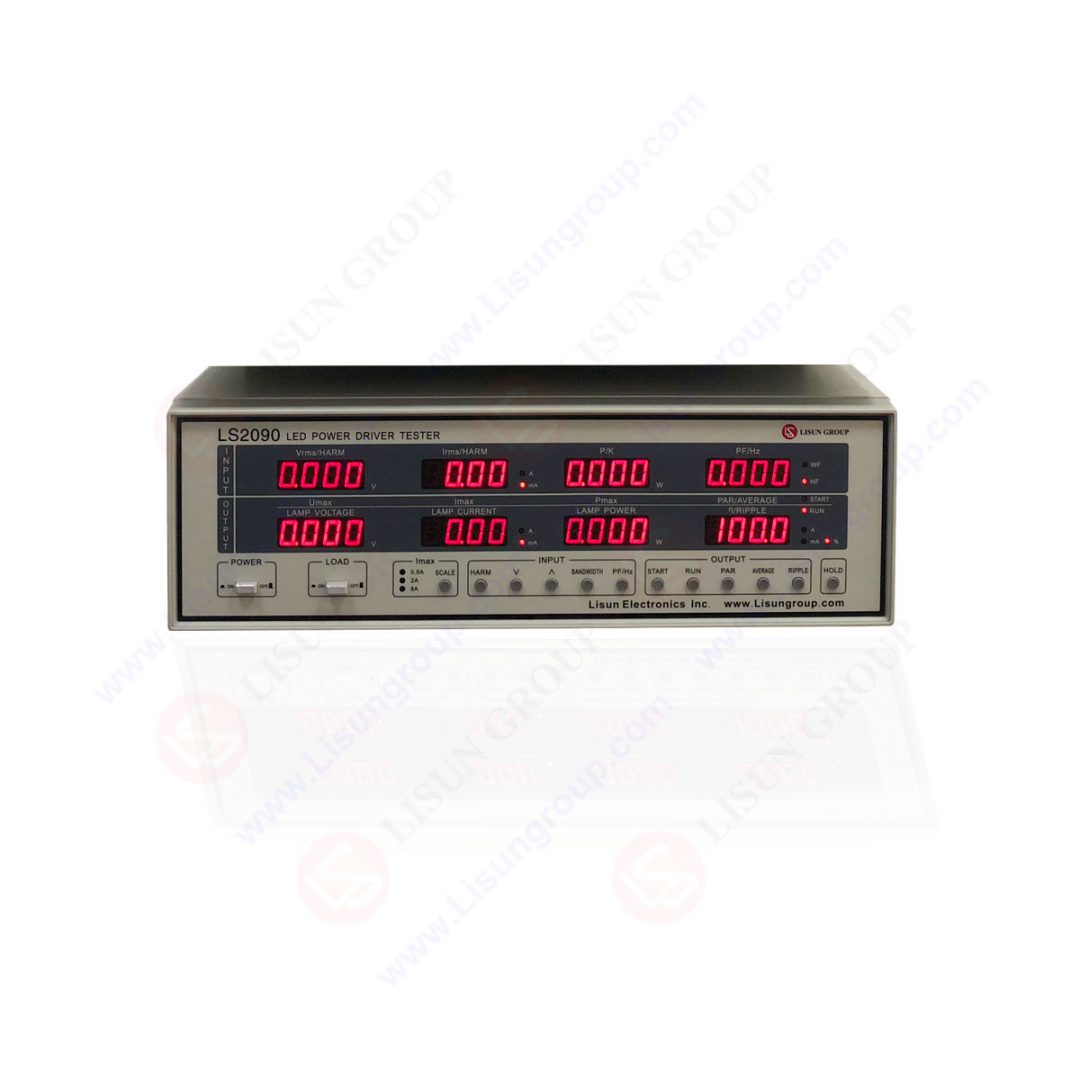
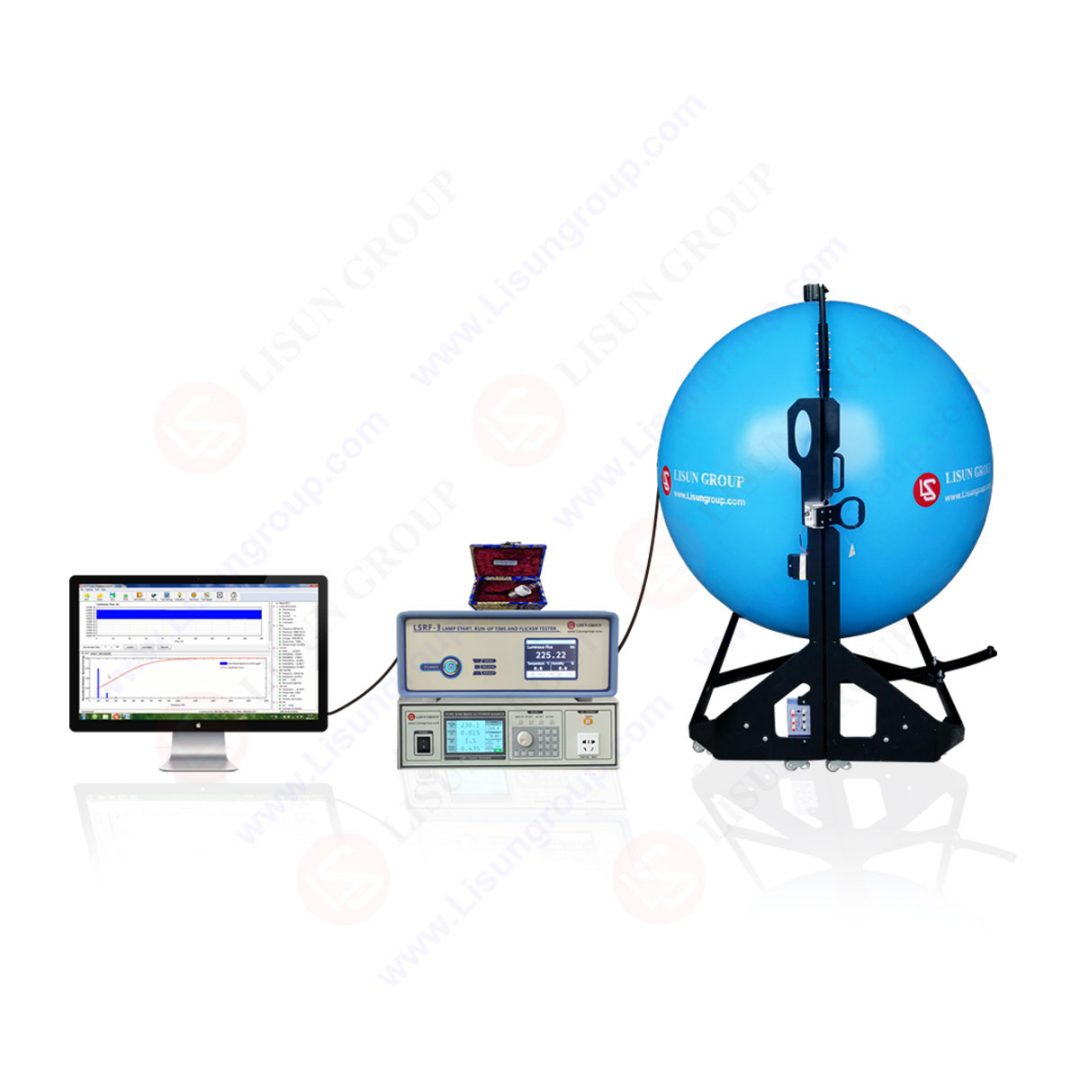
Beyond lumen maintenance specifically, this range also covers driver reliability and mechanical durability: LED driver aging systems and power driver testers characterise electrical performance and stress-test drivers over extended operation, high-cycle-count lamp life testers exercise switch cycling up to 1,000,000 cycles, and multi-layer aging racks handle bulk thermal and burn-in aging across more than 100 lamps or panels simultaneously — the production-scale complement to the more precise, lower-volume LM-80/LM-84 systems.
Frequently Asked Questions
What's the difference between LM-80 and LM-84 lumen maintenance testing?
LM-80 tests LED packages, arrays, and modules in isolation under controlled conditions, with TM-21 providing the statistical model to project long-term lumen maintenance from the test data. LM-84 tests complete integrated LED lamps and luminaires as finished products, with TM-28 providing the equivalent projection model for L70/L50 life estimates at the finished-product level.
Why does switch cycling matter separately from lumen maintenance testing?
Lumen maintenance testing typically runs a light source continuously to characterise how output degrades over operating hours, while switch cycling specifically stresses the on/off transition — a separate failure mode, since repeated thermal and electrical cycling at switch-on can stress components differently than continuous steady-state operation. High-cycle-count testing up to 1,000,000 cycles verifies durability against this specific stress.
Why would a production environment need a multi-layer aging rack in addition to a precision LM-80/LM-84 system?
LM-80/LM-84 systems are built for precise, standards-compliant measurement on a limited number of samples at a time, while multi-layer aging racks handle bulk burn-in and thermal aging across over 100 lamps or panels simultaneously — supporting production-scale quality screening and burn-in that would be impractical to run through a precision measurement system one unit at a time.