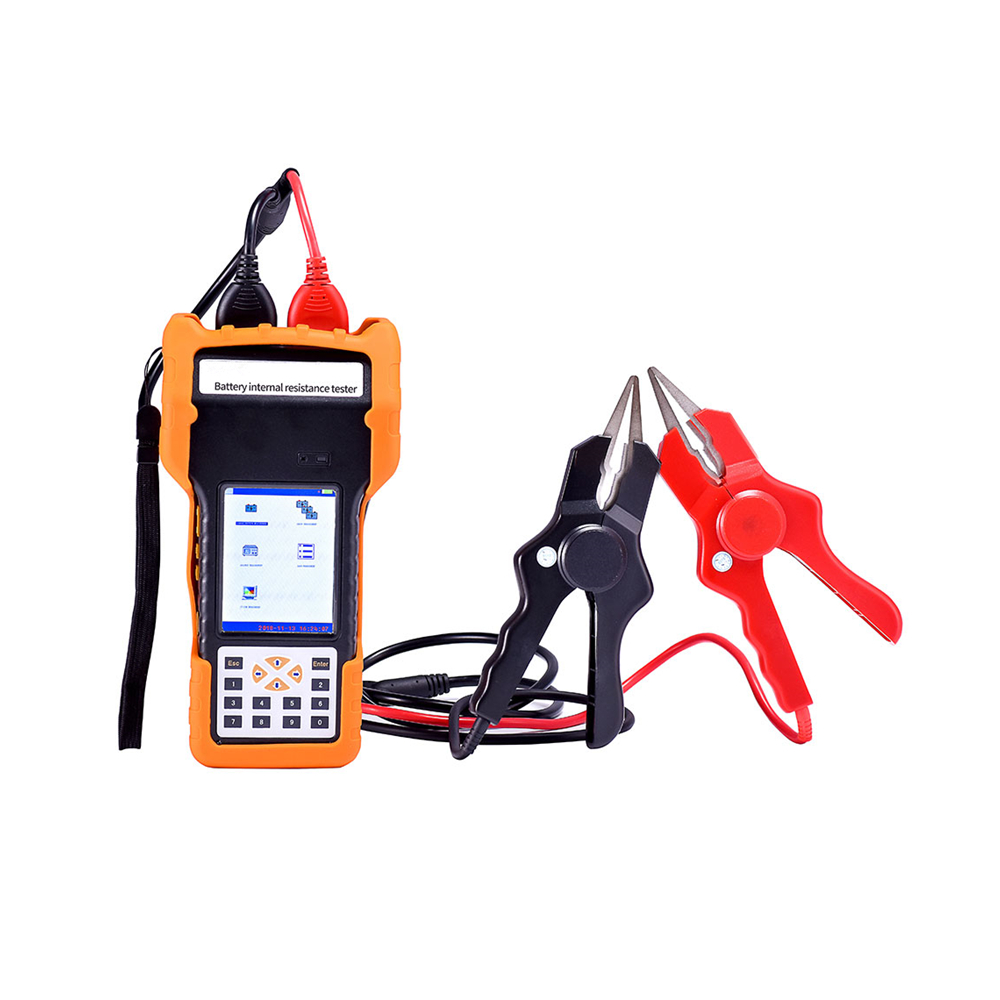
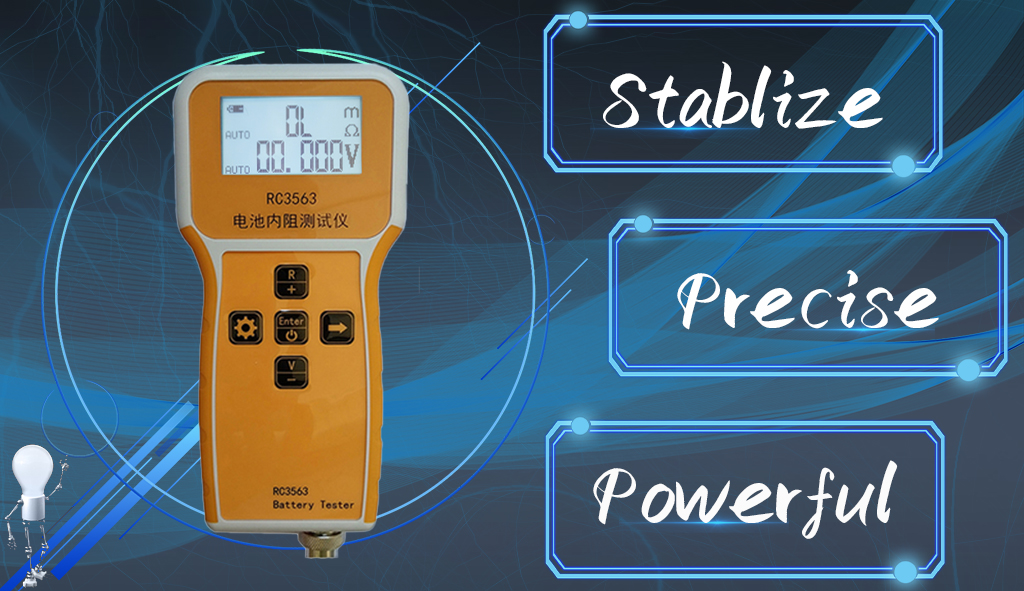
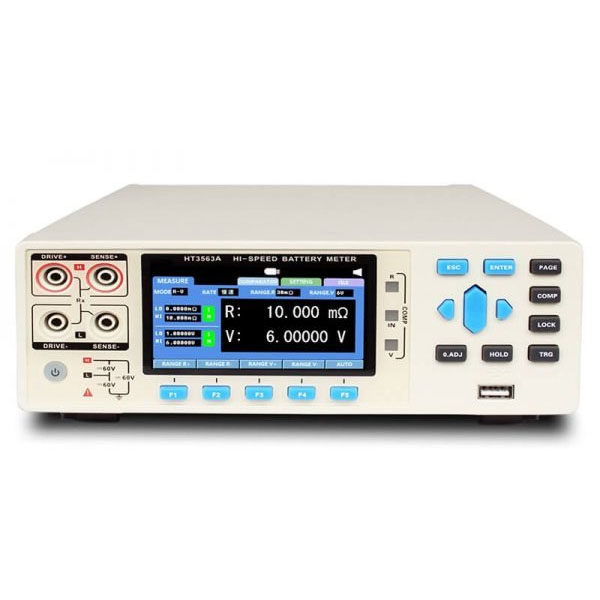
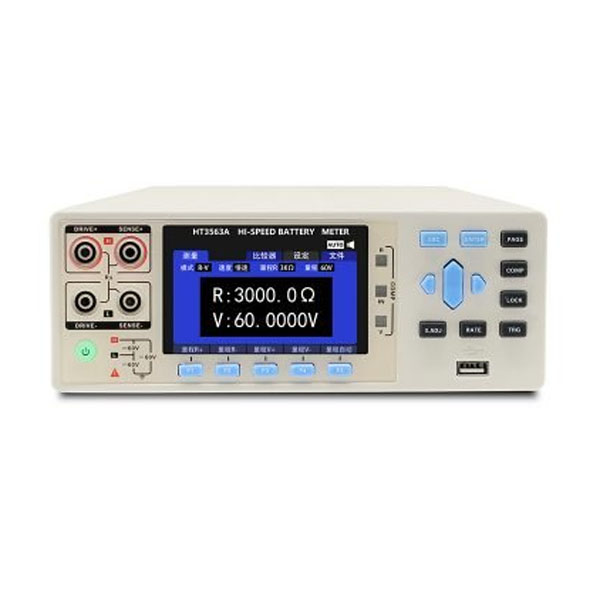
Battery Internal Resistance Tester
Non-destructive internal resistance testing for lead-acid and lithium battery cells and packs.
Rising internal resistance is one of the earliest measurable signs that a battery cell or pack is degrading — it shows up as falling capacity and a weakening ability to deliver current under load, often well before the cell fails outright in service. MEWOI's Battery Internal Resistance Tester range measures this non-destructively, without discharging or disconnecting the battery under test, making it the standard tool for routine health checks across UPS strings, telecom backup banks, EV and stationary energy storage packs, and everyday lead-acid or lithium cells in the field.
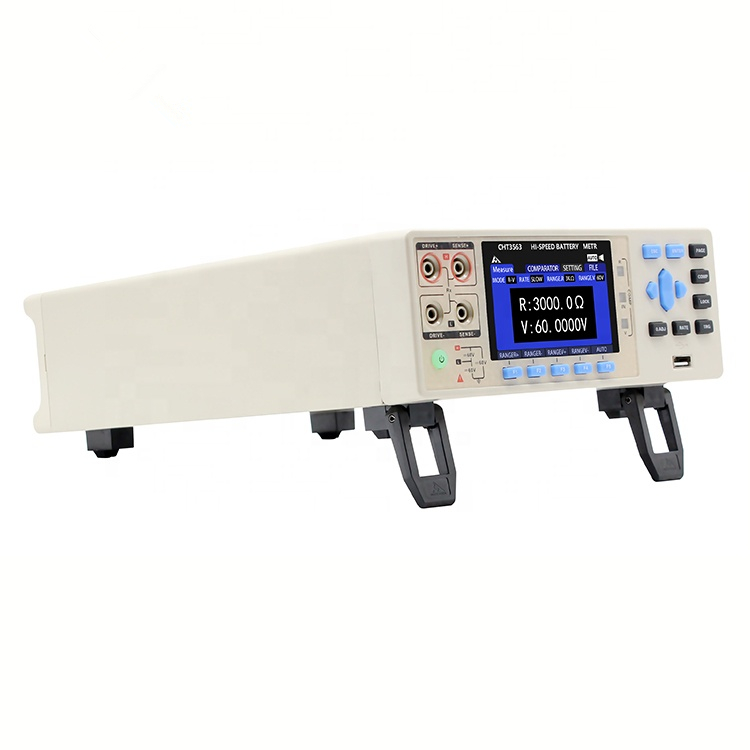
Non-destructive measurement matters because it lets internal resistance be checked as part of routine maintenance, not just during dedicated capacity testing that takes a battery out of service — a UPS string or telecom backup bank can be spot-checked in place, on a schedule, without interrupting the standby power it's protecting. Handheld units cover quick field spot-checks on individual cells, while the range's true four-wire (Kelvin) AC measurement method, available on the benchtop and multi-channel models, eliminates lead and contact resistance from the reading, isolating the battery's own internal resistance from the test setup itself.
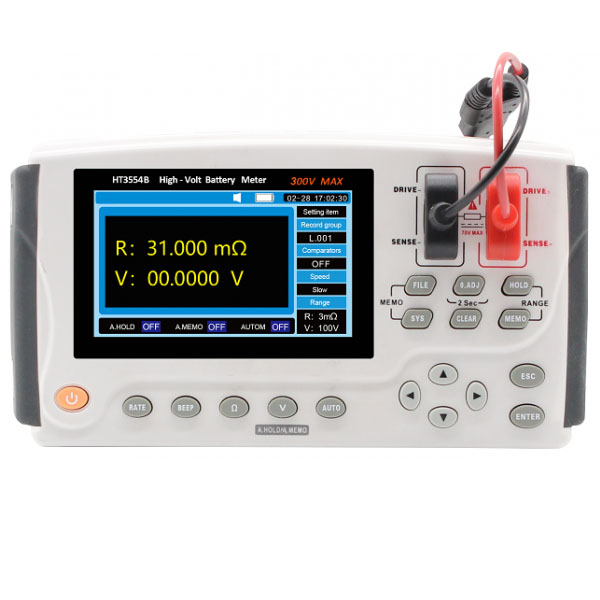
For pack-level and production testing beyond single-cell checks, high-voltage models measure internal resistance and open-circuit voltage together on packs up to 300V (with an 800V-class variant for higher-voltage packs), while multi-channel benchtop systems scale from single-channel to 24-channel simultaneous testing — relevant for battery pack manufacturers and integrators needing to verify every cell in a pack rather than sampling a subset.
Frequently Asked Questions
Why does internal resistance matter as an early indicator of battery health?
As a battery cell degrades — through age, sulfation in lead-acid cells, or electrolyte and electrode changes in lithium cells — its internal resistance tends to rise before its measured capacity drops significantly under light load. Tracking internal resistance over time can flag a degrading cell before it fails under the higher current demand of an actual power event.
Why does non-destructive testing matter for standby power applications like UPS and telecom backup?
A standby battery bank needs to stay ready to deliver power at any time, so testing it can't mean discharging it and taking it out of service. Non-destructive internal resistance measurement checks battery health without disconnecting or discharging the battery, letting standby banks be monitored on a routine schedule without compromising their readiness.
What does four-wire (Kelvin) measurement add over a simpler two-wire method?
A two-wire measurement includes the resistance of the test leads and contact points in the reading, which can meaningfully skew a low-resistance measurement like battery internal resistance. Four-wire measurement uses separate current-carrying and voltage-sensing leads, isolating the battery's actual internal resistance from the test setup's own lead and contact resistance for a more accurate reading.