Environmental Test Chambers
Temperature, Humidity, Corrosion, and Weathering Simulation for Product Qualification
Environmental test chambers exist to answer one question before a product reaches the field: will it hold up under the temperature swings, humidity, sunlight, salt air, or corrosive gases it will actually encounter over its service life? Rather than waiting for field failures to surface a weakness, manufacturers use environmental chambers to reproduce those conditions in a controlled, repeatable, and accelerated form — compressing months or years of real-world exposure into a test programme measured in days or weeks.
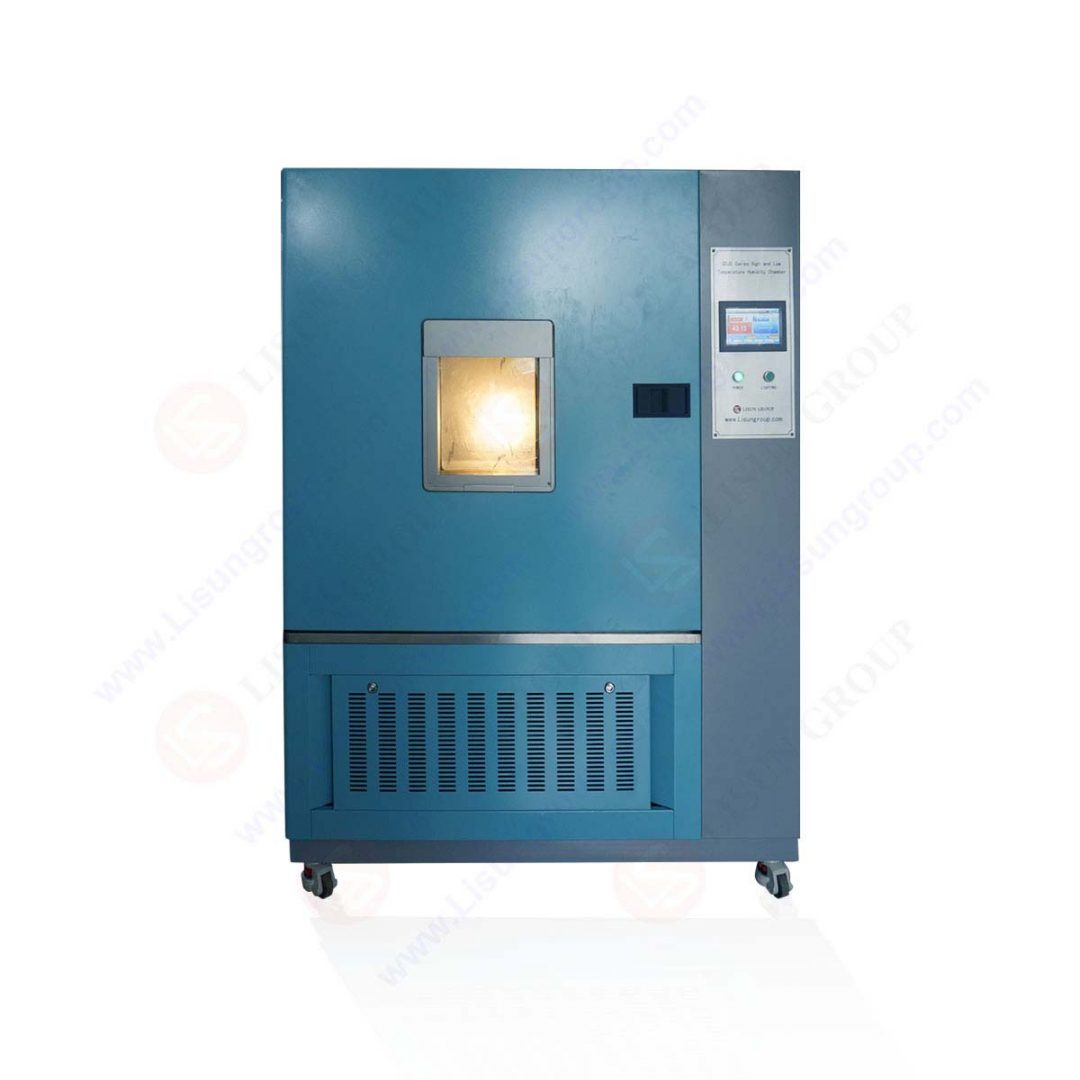
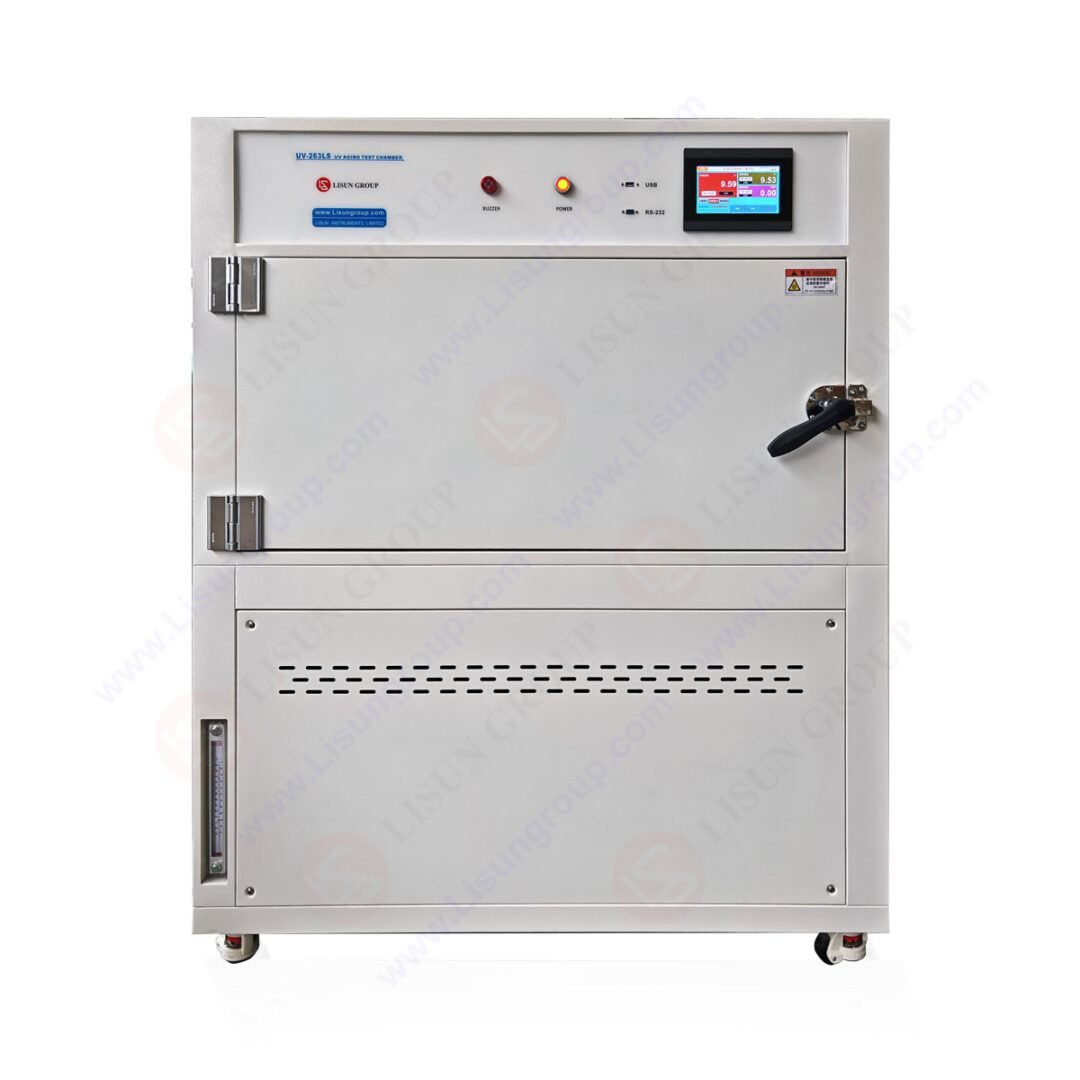
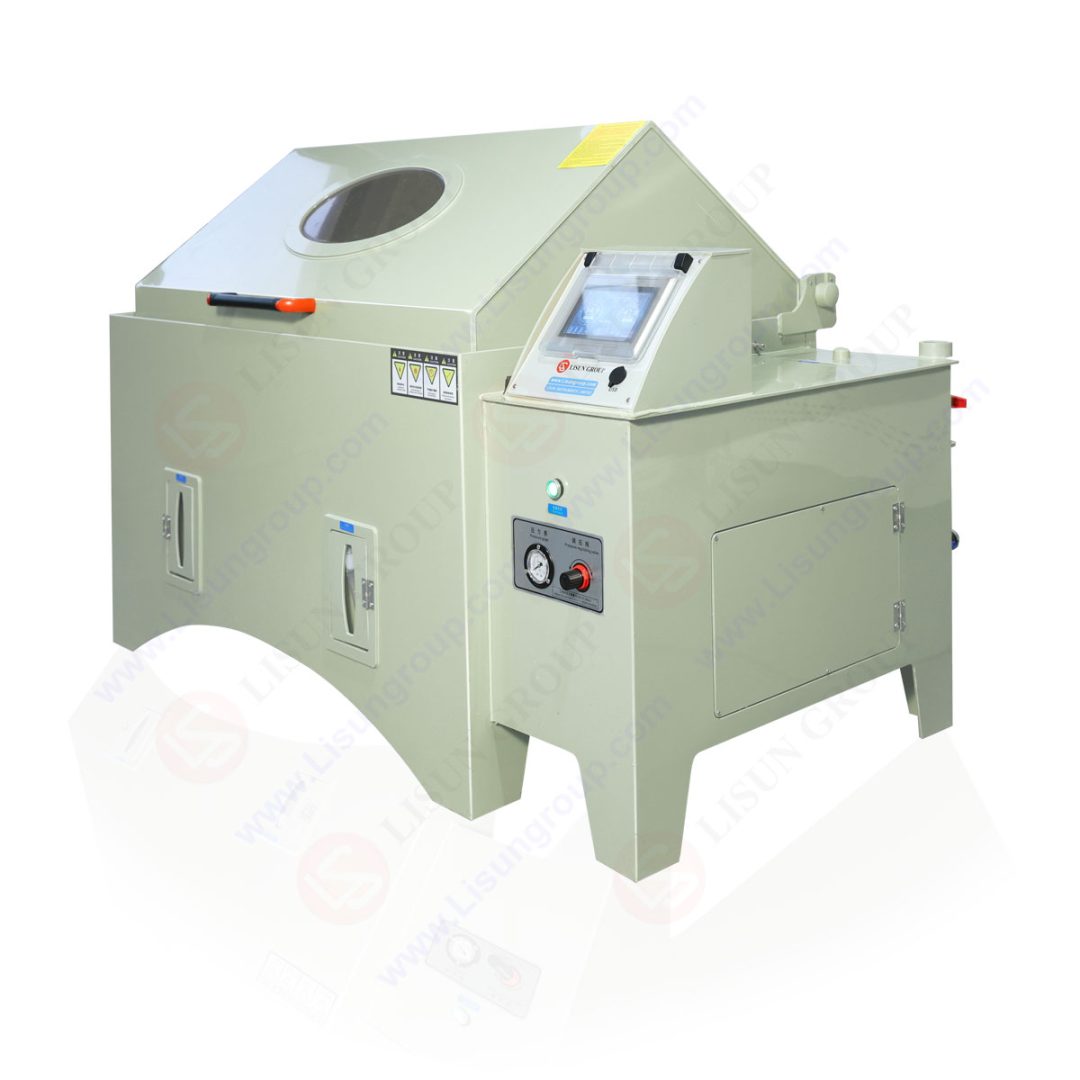
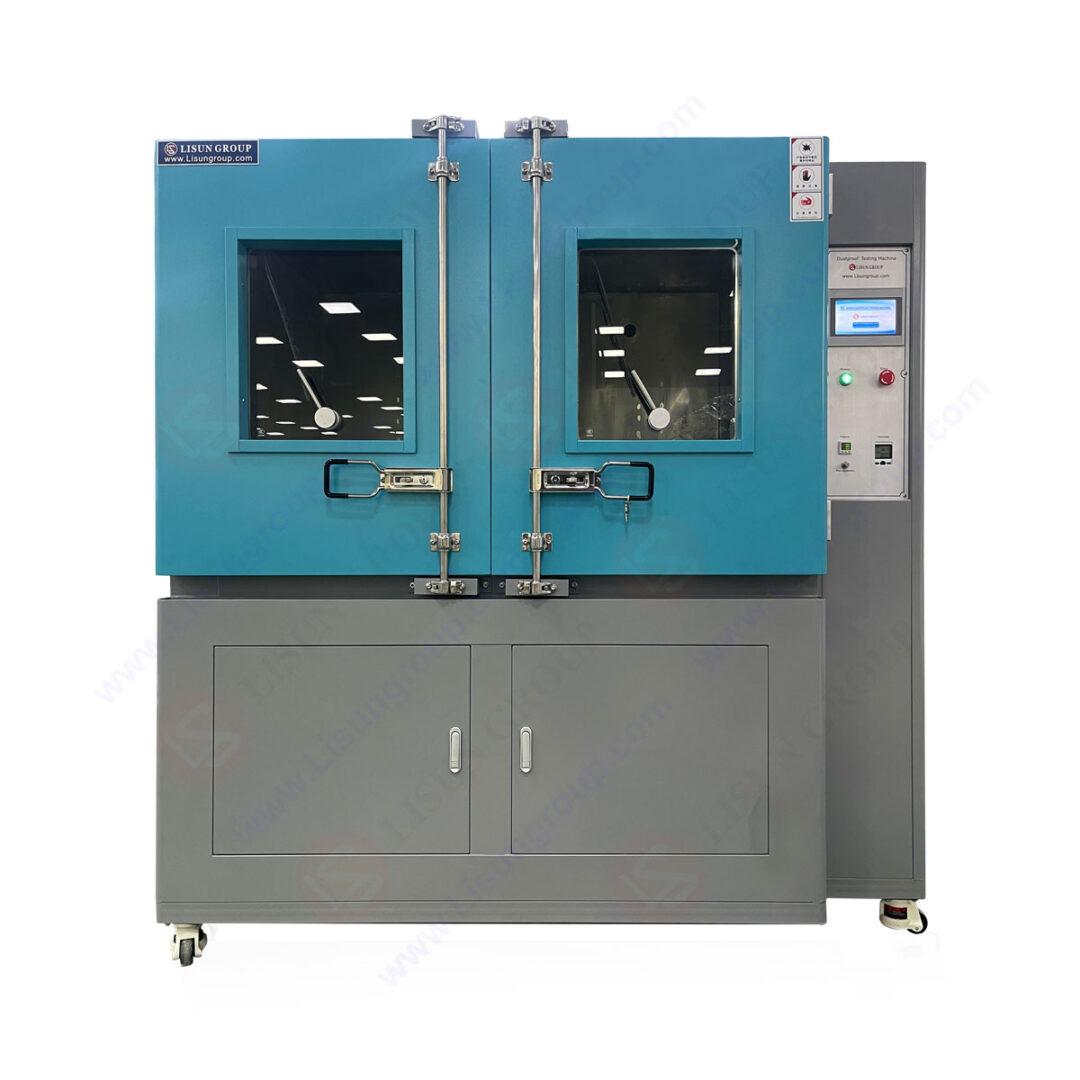
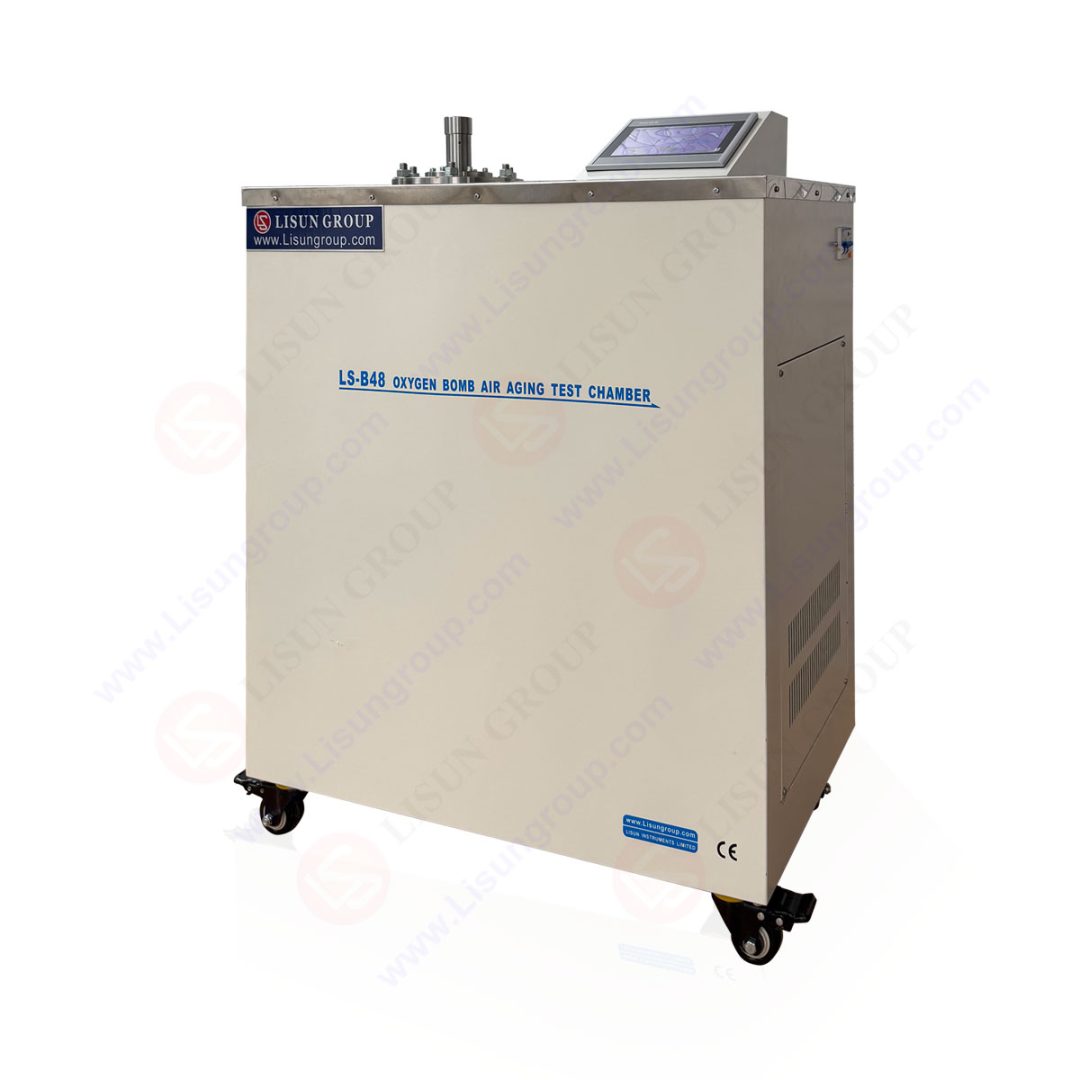
This range covers the core categories of environmental simulation used across product qualification: temperature-only and combined temperature/humidity chambers for general climatic testing; xenon arc and UV lamp weathering chambers for accelerated light and moisture ageing to standards such as ASTM G154/G155 and ISO 4892; salt spray, SO2, and ozone corrosion chambers for coating and material corrosion resistance; dustproof and vacuum drying chambers for IP5X/IP6X ingress verification and material preparation; and oxygen bomb ageing chambers for cable and plastic insulation life assessment to IEC 60811.
Different failure modes call for different test methods, and the right chamber depends on what's actually being screened for. A combined temperature/humidity chamber exposes a product to cycling thermal and moisture stress representative of transport, storage, or outdoor deployment — useful for catching seal failures, condensation-related faults, or thermal expansion issues that a temperature-only chamber won't reveal. A xenon arc chamber reproduces the full solar spectrum (including UV, visible, and infrared) for materials that will see direct sunlight, while a UV-only lamp chamber is a faster, lower-cost method suited to screening coatings and plastics for UV degradation specifically, without simulating the full weathering profile. Salt spray testing itself isn't a single method: neutral salt spray (NSS), acetic acid salt spray (AASS), and copper-accelerated salt spray (CASS) apply different levels of severity and are specified for different coating types and standards, so matching the test method to the applicable standard matters as much as the chamber's capability.
For teams running product qualification, reliability, or compliance programmes, the practical starting point is the failure mode or standard the test is meant to satisfy — a customer specification, an industry standard such as IEC 60068-2, or an internal reliability target — rather than the chamber's headline temperature or humidity range alone. Chamber volume, ramp rate, and control precision (uniformity and fluctuation tolerances) also affect whether a given chamber can reproduce a specified test profile accurately, particularly for combined temperature/humidity cycling programmes with tight ramp requirements.
Frequently Asked Questions
What's the difference between a temperature chamber and a temperature/humidity chamber?
A temperature-only chamber controls dry-bulb temperature alone, useful for thermal cycling, cold storage simulation, or high-temperature operating life tests where humidity isn't part of the failure mode. A temperature/humidity chamber adds controlled relative humidity, needed wherever moisture ingress, condensation, or combined thermal-humidity stress (such as damp heat testing to IEC 60068-2-78) is part of the qualification requirement.
When should I use a xenon arc chamber instead of a UV lamp chamber?
Xenon arc testing reproduces the full solar spectrum and is the closer analogue to real outdoor sunlight exposure, making it the appropriate method where a test standard specifically calls for full-spectrum weathering (such as automotive exterior or outdoor product qualification to ASTM G155). UV lamp testing isolates the UV portion of degradation and is typically faster and lower-cost, making it suited to screening coatings and polymers for UV-specific degradation during development, ahead of full-spectrum qualification testing.
Which salt spray method should I specify — NSS, AASS, or CASS?
The applicable standard or customer specification generally dictates this: NSS is the baseline method for general corrosion resistance testing (per ASTM B117), AASS is a more aggressive variant used for certain decorative or anodised coatings, and CASS is the most aggressive of the three, typically specified for electroplated or chromium-based coatings. Running the wrong method against a coating's actual specification can produce results that don't correlate to the standard's pass/fail criteria.
Does a chamber's stated temperature range guarantee it will meet my test standard?
Not on its own. A test standard typically specifies not just a temperature or humidity setpoint but also ramp rate, dwell time, uniformity tolerance, and fluctuation limits within the chamber. Two chambers with the same headline range can differ meaningfully in how tightly they hold and cycle between setpoints, which is why it's worth checking a chamber's control tolerances against the specific standard's requirements, not just its stated range.