Current, Leakage & Power Quality Instruments
Precision Current Sensing and Power Quality Analysis for Electrical Maintenance
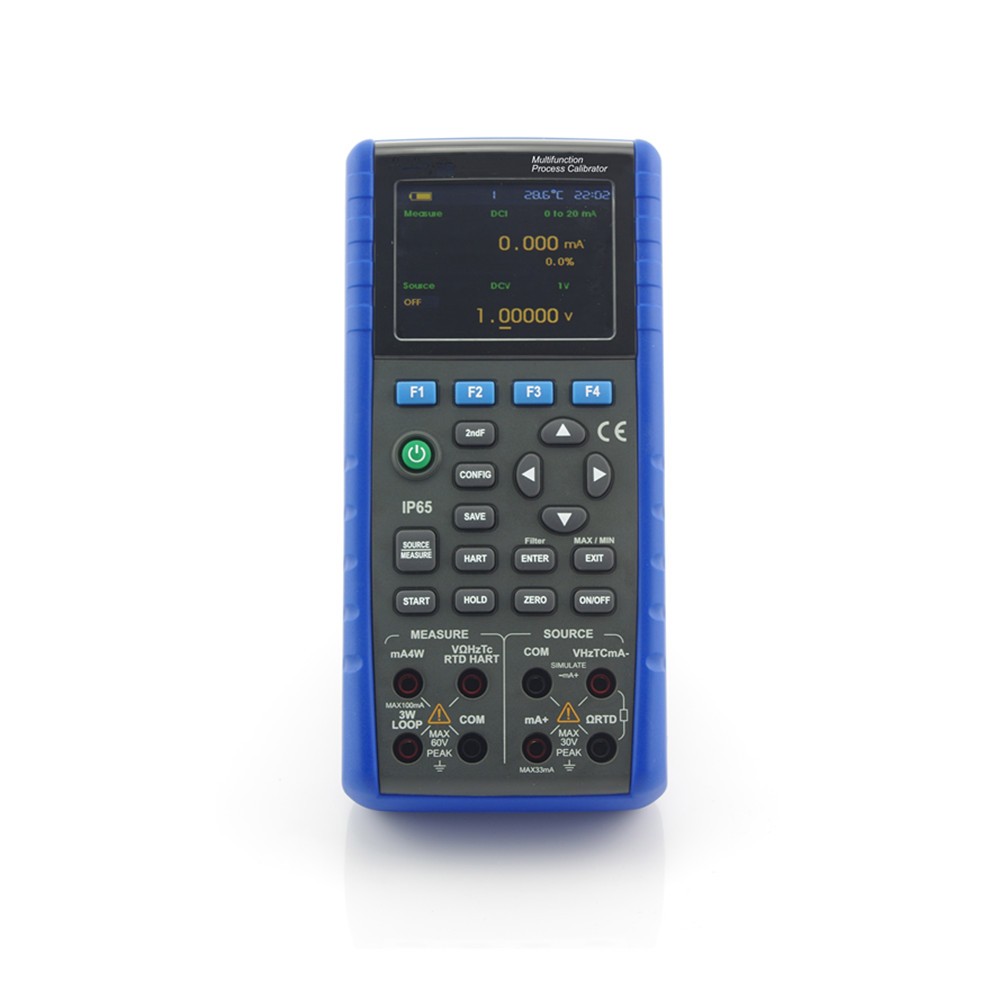
Electrical maintenance and energy work spans a wide measurement range — from a quick leakage current check on a single appliance through to continuous power quality monitoring across a facility's incoming supply. This range covers that full spread, from routine clamp meters through to precision current sensors and dedicated power quality analysers.
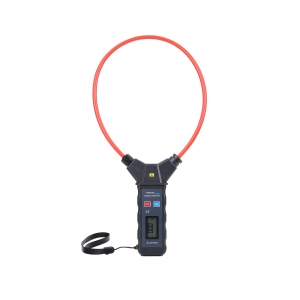
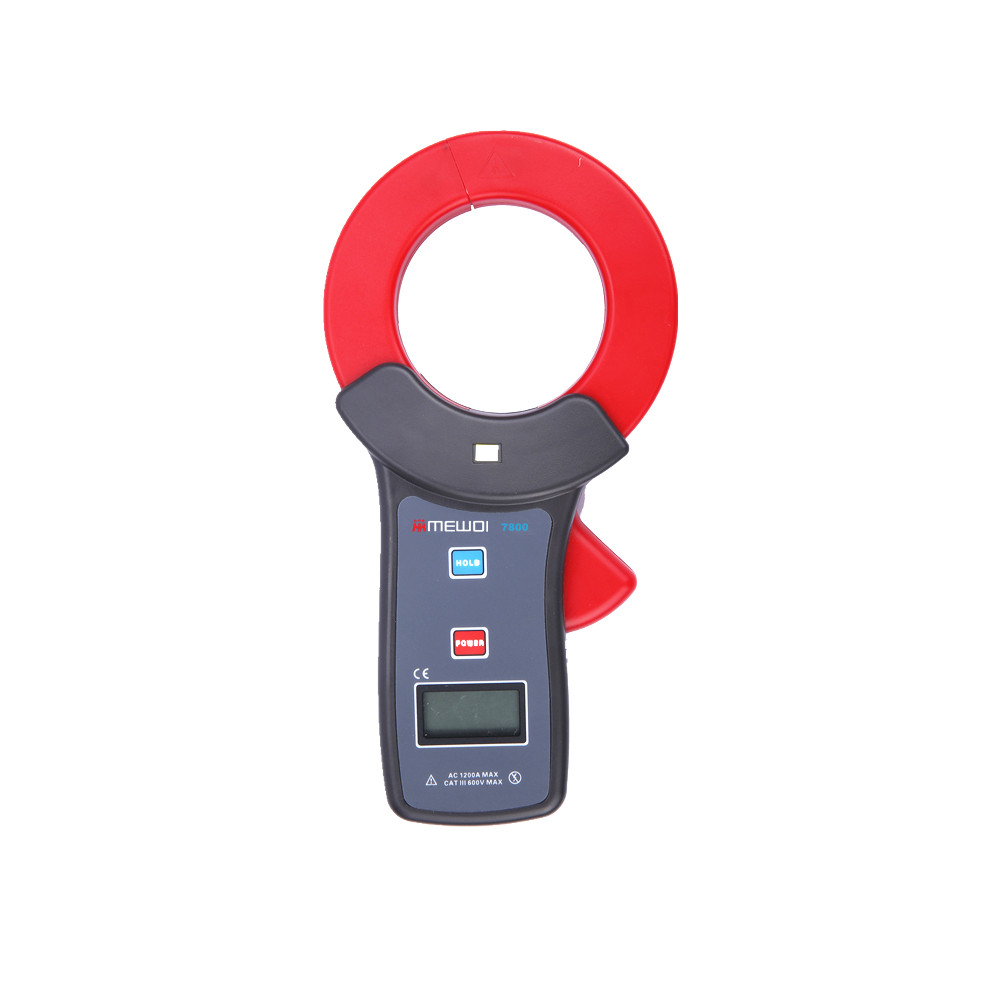
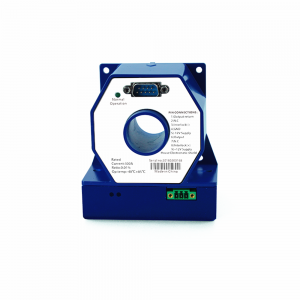
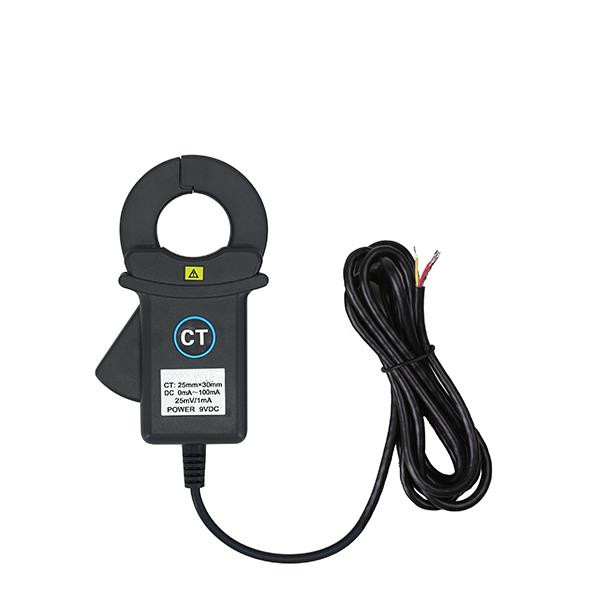
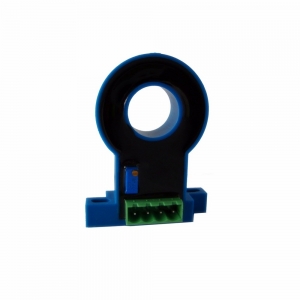
Leakage current measurement is covered by the full MEWOI7000-series AC/DC clamp family, spanning entry-level units for routine electrical safety checks through to high-accuracy models suited to more demanding diagnostic or compliance work. Current sensing beyond simple clamp measurement is available via Hall effect, Rogowski coil, and fluxgate sensor technologies, plus dedicated current transformers for metering and protection applications — each technology suited to a different combination of current range, frequency response, and installation constraint, from milliamp-level leakage detection up to 80kA industrial current sensing.
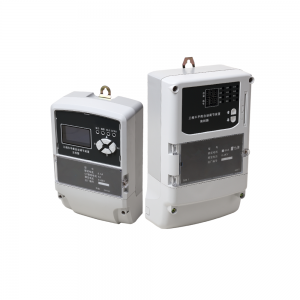
Power quality analysis instruments measure harmonics, voltage flicker, total harmonic distortion (THD), and energy consumption — the parameters that matter for energy auditing, grid compliance verification, and diagnosing equipment problems caused by poor power quality (nuisance tripping, premature equipment failure, or billing disputes over reactive power). 3-phase unbalance monitors and power clamp meters extend this into field diagnostic work, identifying supply imbalances that can cause motor overheating and premature failure in three-phase equipment.
Frequently Asked Questions
What's the difference between Hall effect, Rogowski coil, and fluxgate current sensors?
Hall effect sensors measure both AC and DC current and are common for general-purpose current sensing. Rogowski coil sensors measure AC current only but offer a flexible, clamp-around form factor well suited to large or irregularly shaped conductors. Fluxgate sensors offer higher precision DC and low-frequency AC measurement, typically used where measurement accuracy requirements exceed what standard Hall effect sensing provides.
Why would I need a power quality analyser instead of a standard multimeter?
A standard multimeter measures basic voltage and current values but doesn't capture waveform distortion, harmonics, or flicker — the parameters that actually explain many equipment reliability problems and grid compliance requirements. A power quality analyser captures and analyses the full waveform over time, identifying issues a simple RMS measurement would miss entirely.
What causes 3-phase unbalance, and why does it matter?
Phase unbalance typically results from uneven single-phase loading across the three phases of a supply, and it causes disproportionate heating in three-phase motors and equipment — a relatively small voltage unbalance can produce a much larger current unbalance and associated heating, shortening motor life. Monitoring for unbalance is a standard preventive maintenance check on three-phase electrical systems.