ESD Simulators
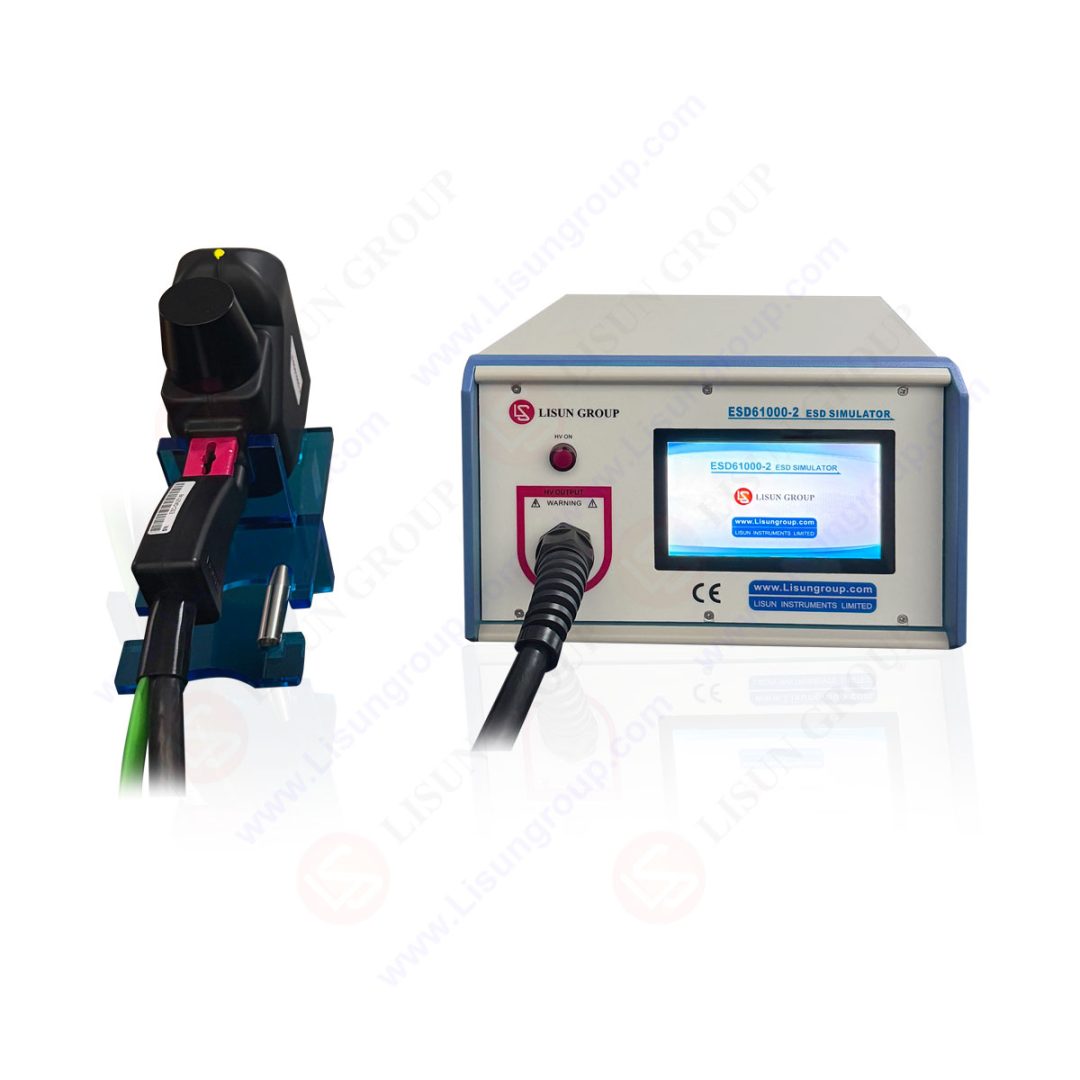
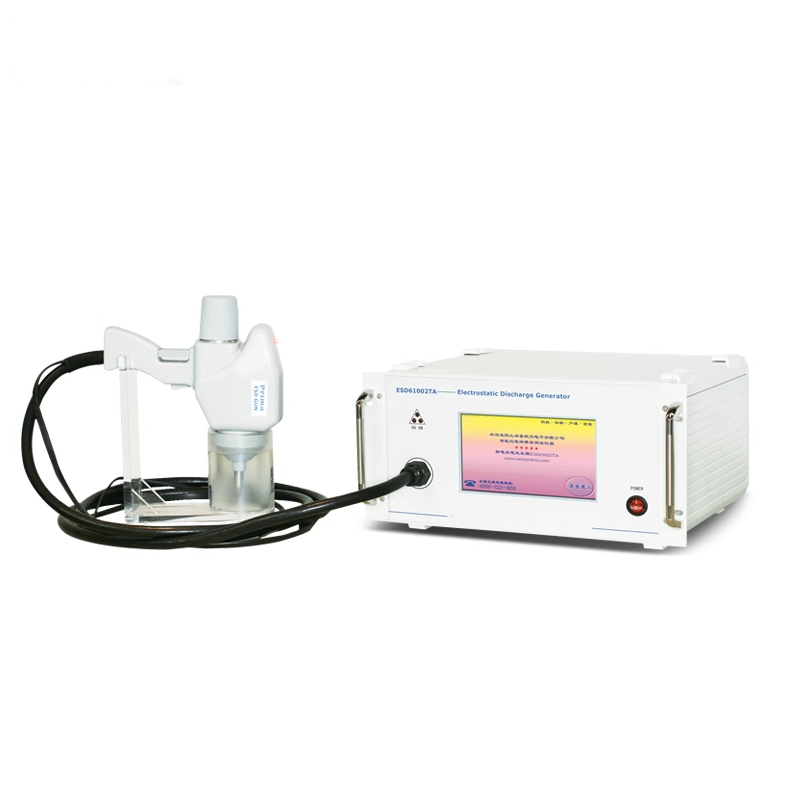
General product-level, IC-level, and explosive-atmosphere ESD simulators for IEC 61000-4-2 and semiconductor ESD qualification.
Electrostatic discharge — a static charge suddenly transferring between a person or object and a device — is one of the most common real-world stresses electronic equipment encounters, from a person simply touching a product to handling during manufacturing. ESD simulators reproduce these discharge events in a controlled, repeatable way to verify a product or component survives them without damage or malfunction.
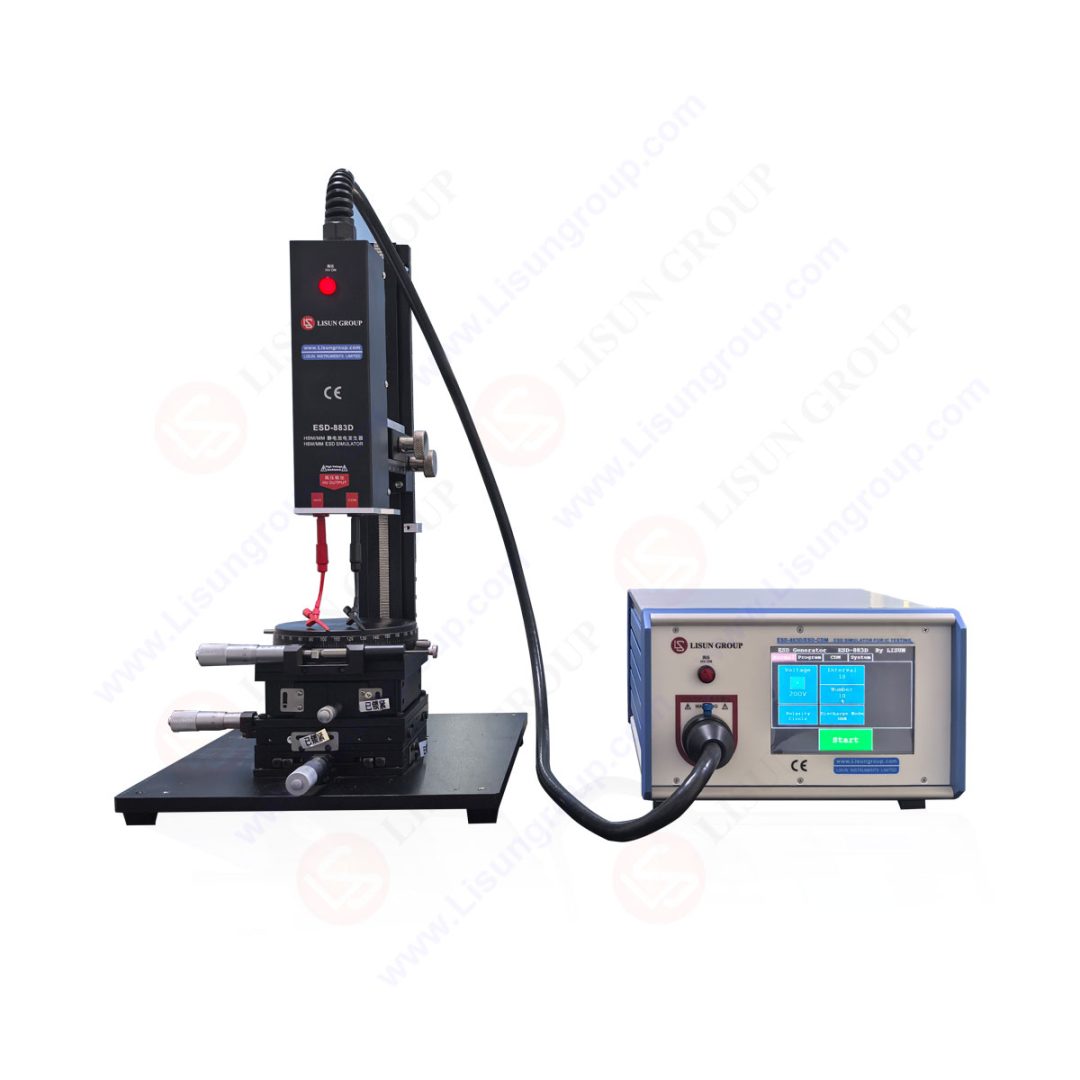
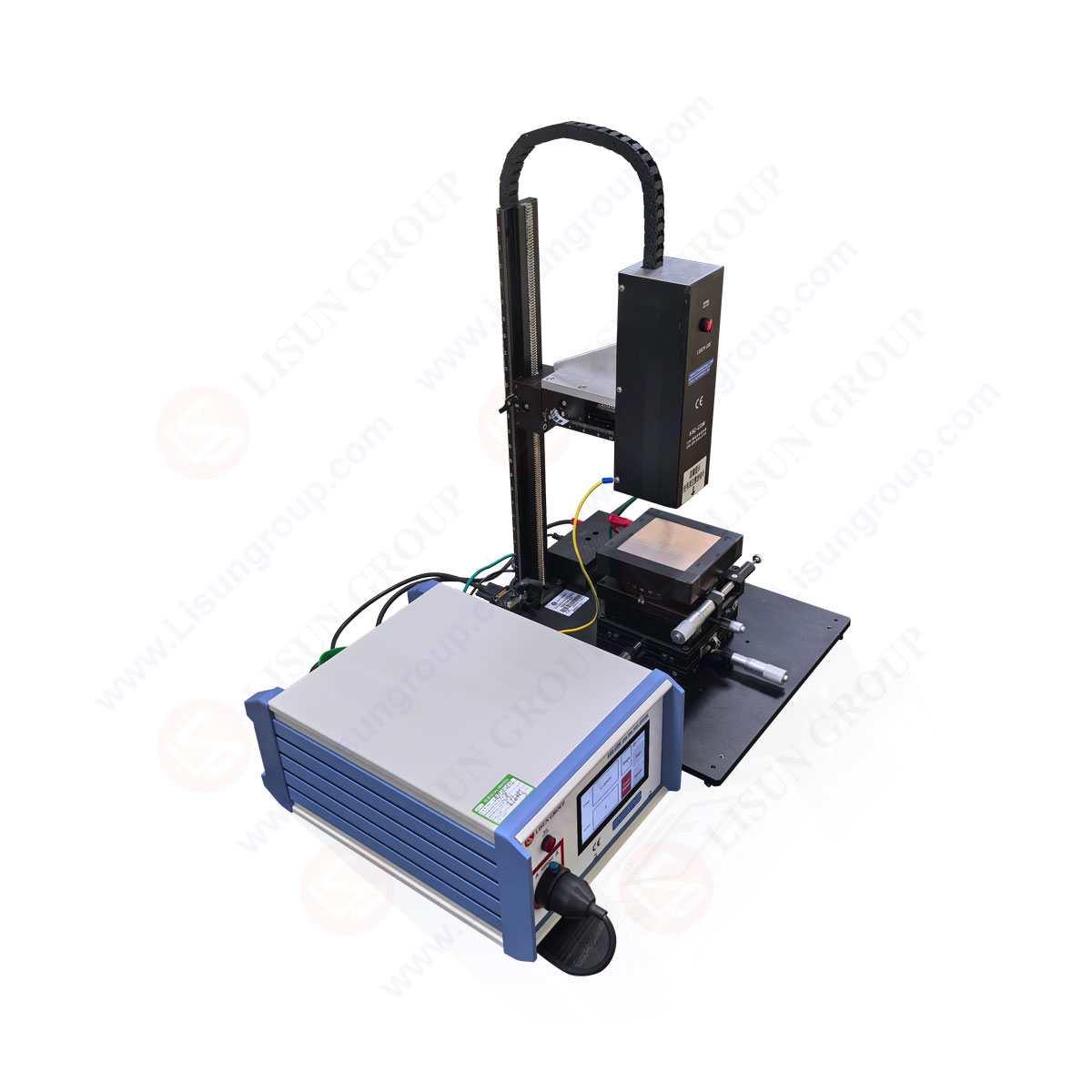
This range covers the full spectrum of ESD test scenarios. General product-level immunity testing to IEC 61000-4-2 verifies a finished product tolerates the kind of ESD event a user might realistically cause through normal handling or contact. IC and semiconductor-level testing goes further, using Human Body Model, Machine Model, and Charged Device Model methodologies to characterise ESD susceptibility at the component level — critical for semiconductor qualification before a chip is even designed into a finished product. Specialised explosive-atmosphere ESD testing addresses an additional requirement specific to equipment intended for use in potentially explosive environments, where even a minor discharge event carries outsized safety consequences.
Covering this range within one category reflects how ESD testing spans from component-level semiconductor qualification through to finished-product compliance testing — different test methodologies and equipment for each, but all addressing the same underlying stress mechanism.
Frequently Asked Questions
What's the difference between Human Body Model, Machine Model, and Charged Device Model ESD testing?
These are distinct standardised ESD test methodologies used primarily at the semiconductor level, each modelling a different real-world discharge scenario — Human Body Model simulates a charged person touching a device, Machine Model simulates discharge from charged equipment or tooling, and Charged Device Model simulates the device itself being charged and then discharging through contact, each with different waveform characteristics.
Why does IEC 61000-4-2 testing matter for finished products specifically?
This standard defines the ESD immunity test methodology most commonly required for finished product compliance, simulating the kind of discharge event an end user might realistically cause through normal handling, touching, or approaching the product — a different, product-level concern from the component-level semiconductor ESD models.
Why does explosive-atmosphere ESD testing need specialised equipment?
Equipment intended for use in potentially explosive environments (certain industrial, oil and gas, or mining applications) needs to demonstrate that even the small energy released during an ESD event can't act as an ignition source — a more stringent and specifically regulated ESD testing requirement than general product-level immunity.