Transformer & Insulating Fluid Test
Complete Transformer, Relay, and Insulating Oil Test Program
A transformer's insulating oil isn't just a passive filler — it's an active part of the insulation and cooling system, and its condition is one of the clearest indicators of a transformer's overall health. This range brings together the full set of tests needed across a transformer's service life: electrical testing of the transformer itself, insulating oil analysis, and the supporting protection-system testing that goes alongside transformer commissioning and maintenance.
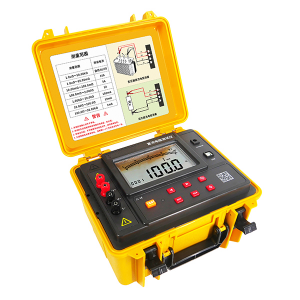
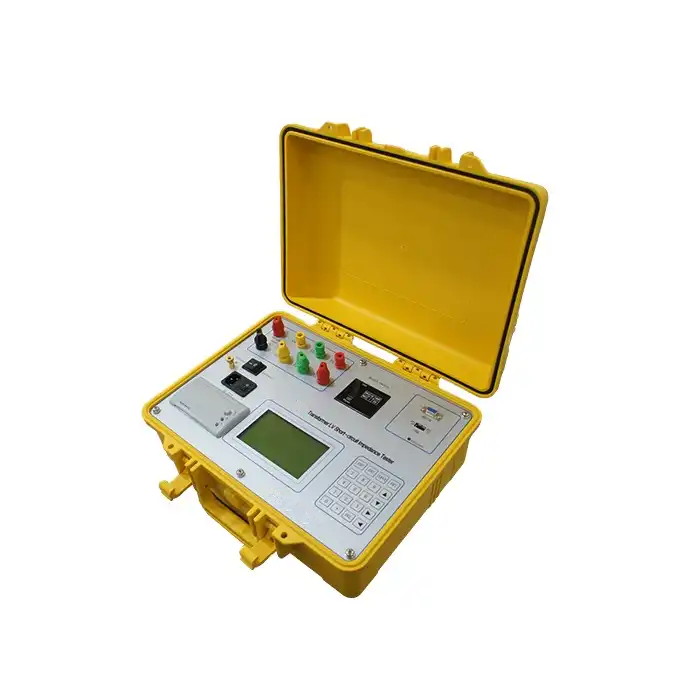
Transformer electrical testing covers turns ratio verification, sweep frequency response analysis (SFRA) for detecting winding deformation or displacement, and DC resistance and short-circuit impedance testing — together these confirm a transformer's internal winding geometry and electrical characteristics remain within specification, both at commissioning and as a diagnostic check after a suspected fault or mechanical event such as a through-fault current. CT/PT analysers verify current and voltage transformer ratio, polarity, and knee-point voltage, essential for protection system commissioning where an incorrectly wired or out-of-tolerance instrument transformer can compromise protection relay performance.
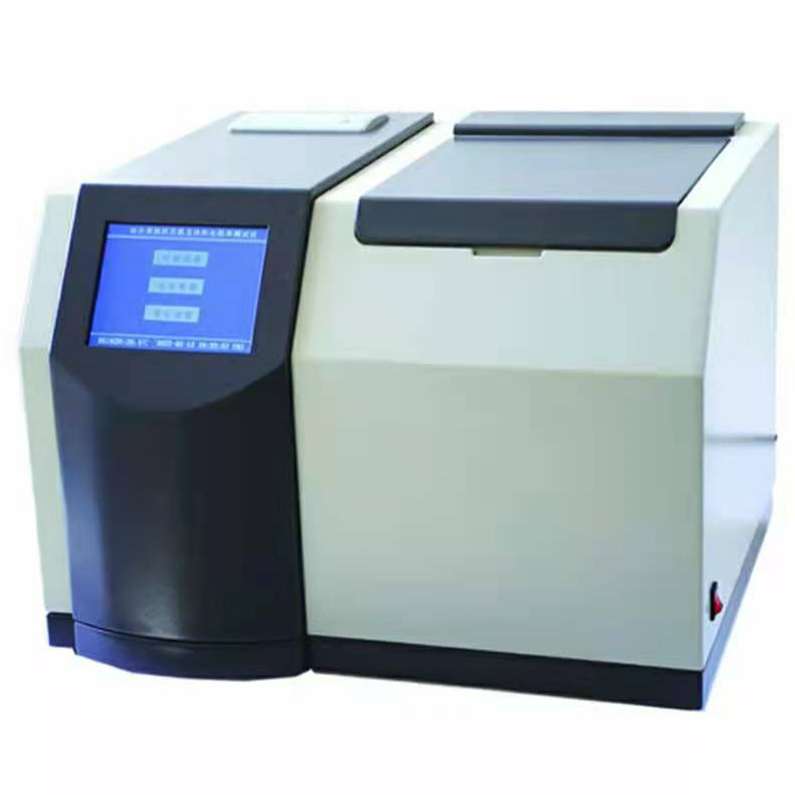
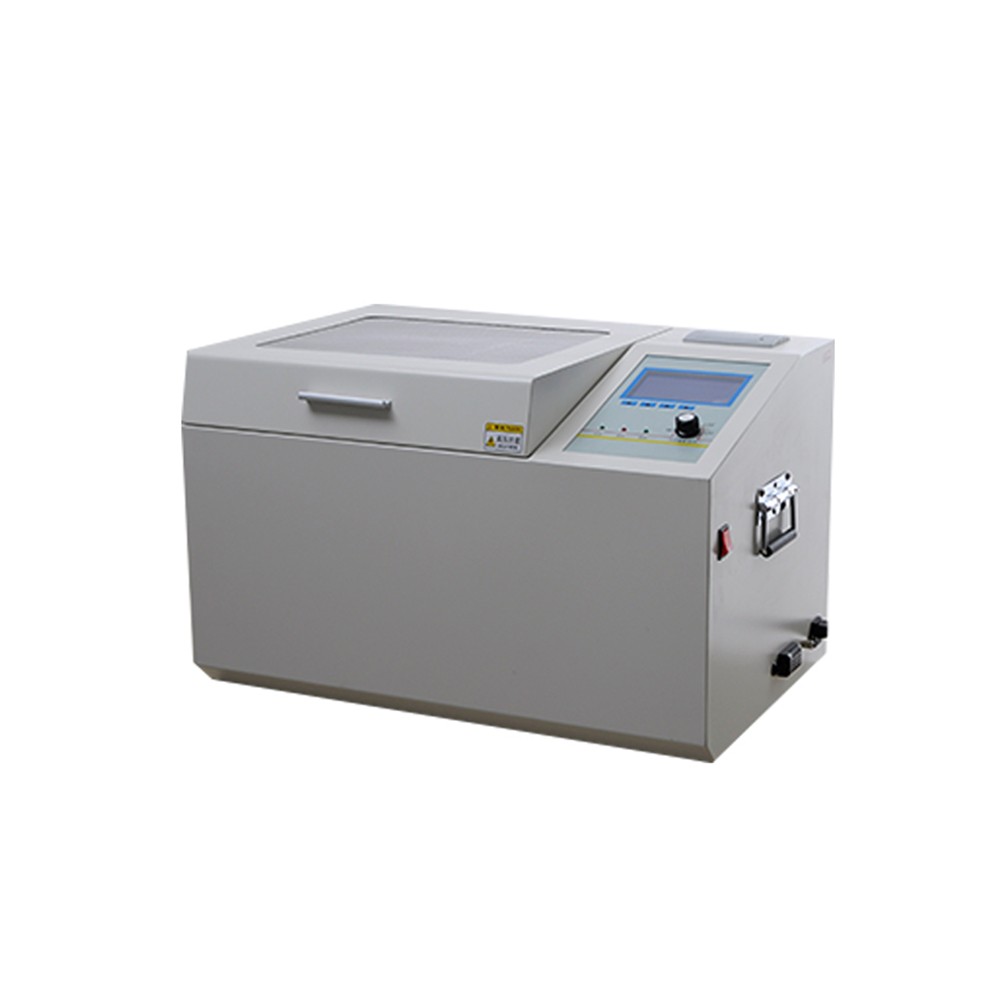
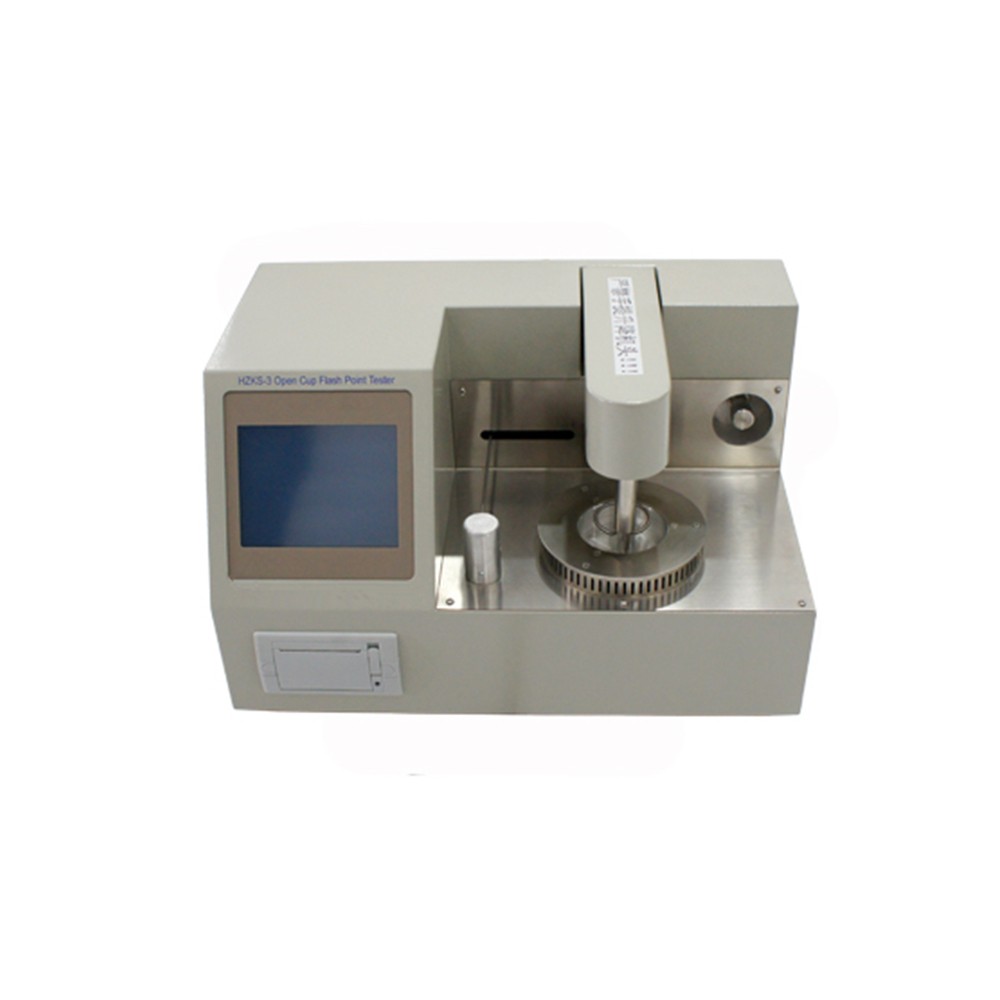
The insulating oil test suite covers the parameters that indicate oil condition and contamination: dielectric strength (breakdown voltage), moisture content, acid number (oxidation byproducts), interfacial tension, and flash point. Each parameter points to a different degradation mechanism — moisture and low dielectric strength indicate contamination or insulation breakdown risk, while a rising acid number tracks oil oxidation over time, useful for trending oil condition between routine maintenance intervals rather than waiting for a parameter to fail outright.
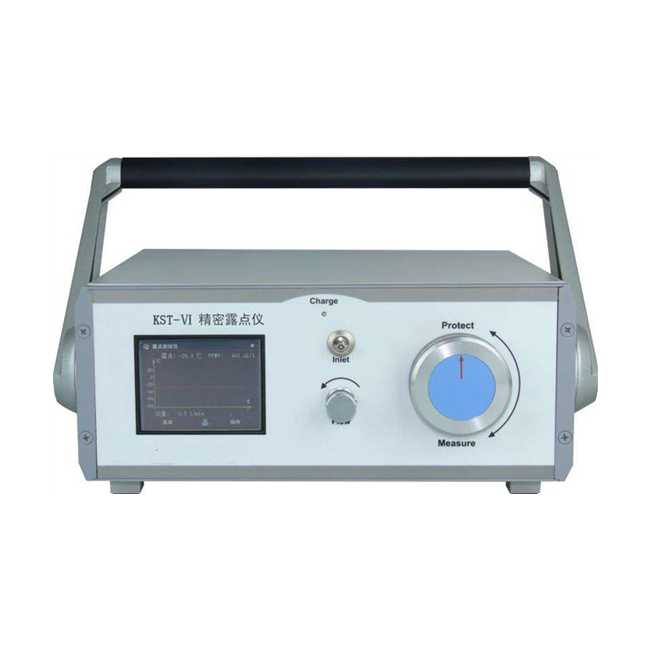
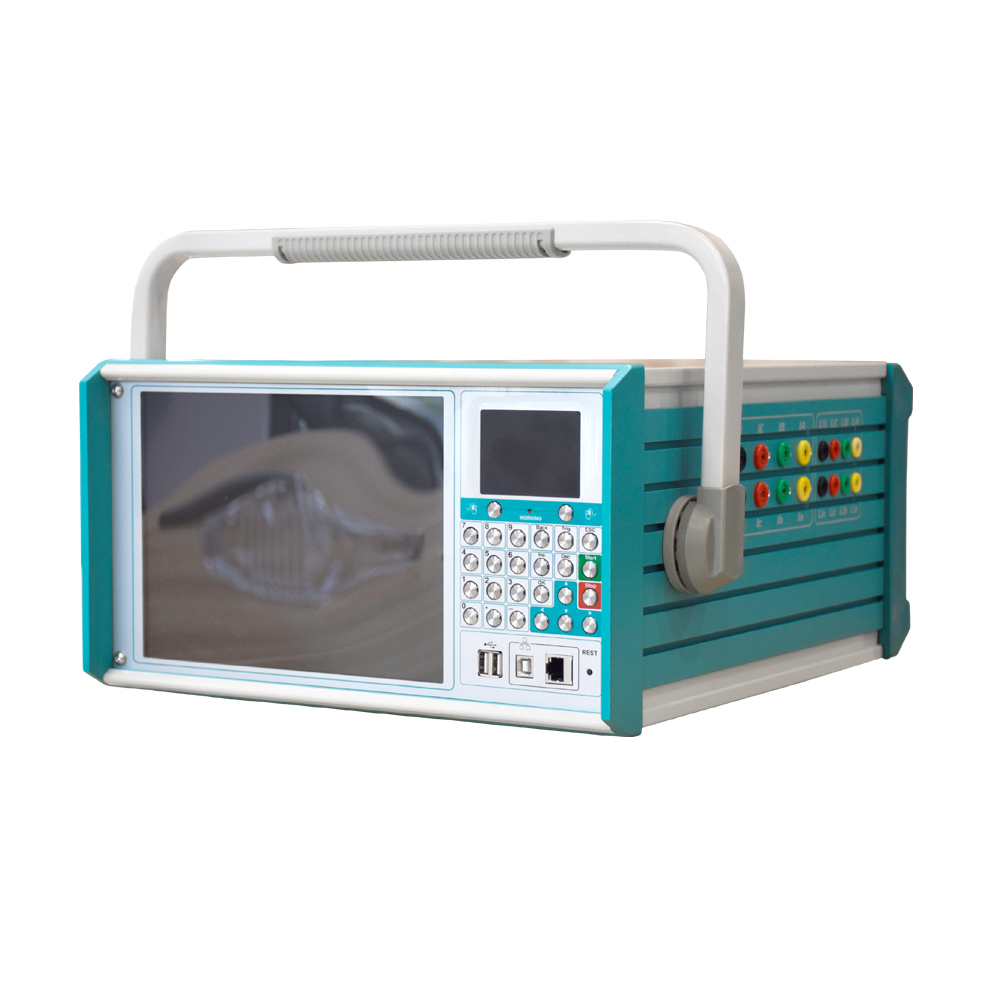
SF6 gas testing (dewpoint and leak detection) extends this same condition-monitoring principle to gas-insulated switchgear (GIS), where SF6 gas quality is equally critical to insulation integrity, and protection relay test sets (3-phase/6-phase configurations) verify that protection schemes actually operate correctly under simulated fault conditions before being relied upon in service.
Frequently Asked Questions
What does SFRA testing detect that a standard turns ratio test doesn't?
Sweep frequency response analysis (SFRA) detects mechanical deformation or displacement within a transformer's winding structure — caused by events like through-fault currents or transport damage — by comparing the transformer's frequency response against a baseline signature. A turns ratio test confirms the electrical winding ratio is correct but won't detect mechanical winding movement that hasn't yet caused an electrical fault.
Why does insulating oil condition matter if the oil isn't visibly contaminated?
Oil degradation parameters like acid number and dielectric strength change gradually and aren't visible to the eye — oil can look clear while its dielectric strength has already dropped meaningfully, or its acid number has climbed enough to indicate accelerating oxidation. Routine oil testing catches this degradation before it progresses to the point of actual insulation failure.
Why is SF6 gas quality tested on gas-insulated switchgear?
SF6 gas provides both insulation and arc-quenching function in GIS equipment, and its performance depends on maintaining adequate purity and moisture (dewpoint) levels — moisture ingress or gas leakage degrades its insulating and arc-quenching properties, so periodic dewpoint and leak testing is a standard part of GIS maintenance.