Conducted Emissions Test Systems
LISN, EMI receivers, coupling networks, and harmonics/flicker analysis for CISPR-style conducted emissions measurement.
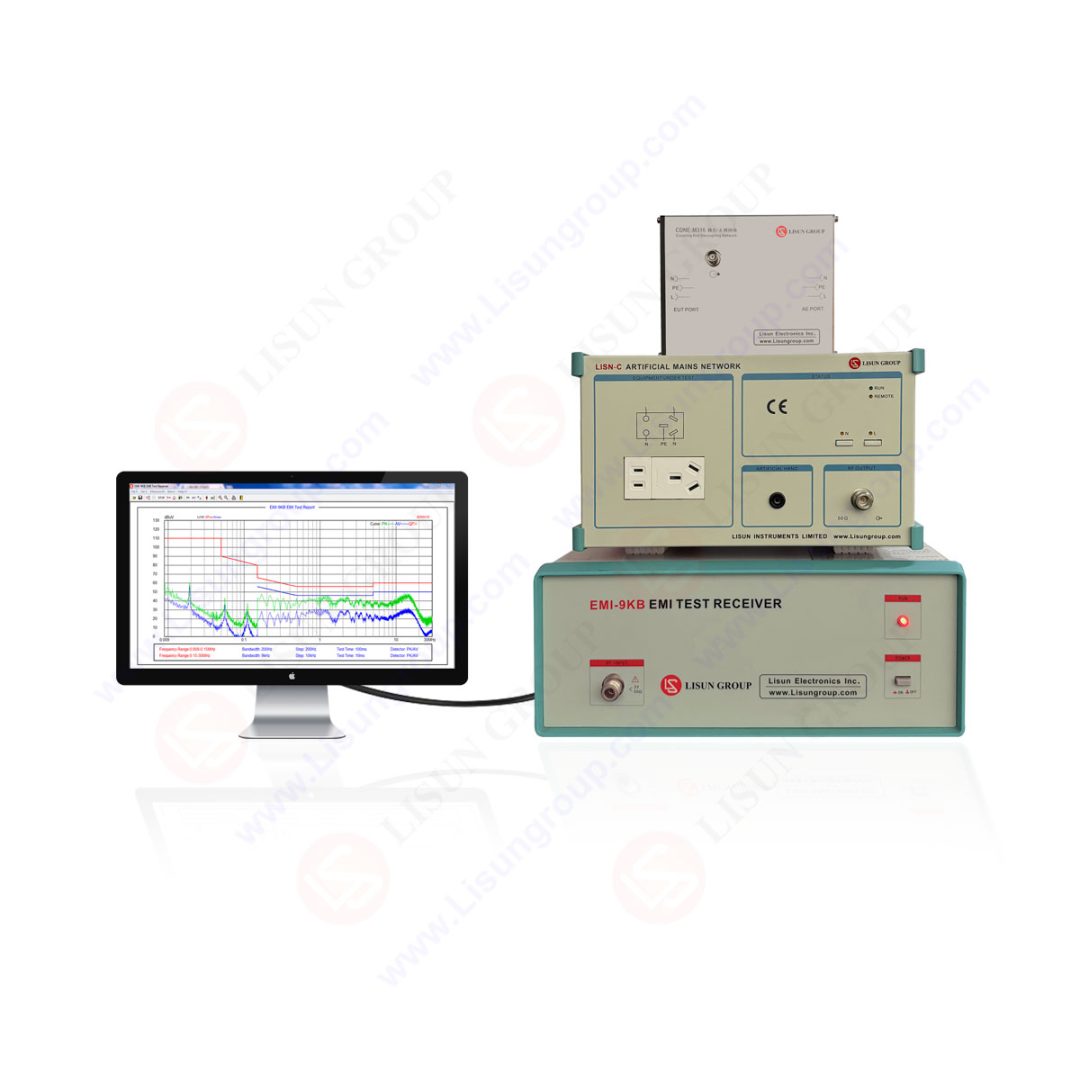
Every electrical or electronic product feeds some amount of unwanted electrical noise back onto its own power and signal lines, and left unmanaged that noise can propagate through shared wiring to interfere with other equipment connected to the same circuit. Conducted emissions testing measures exactly this — the electrical noise a product feeds back onto its power and signal lines — and this range covers the equipment needed to make that measurement to CISPR-style standards.
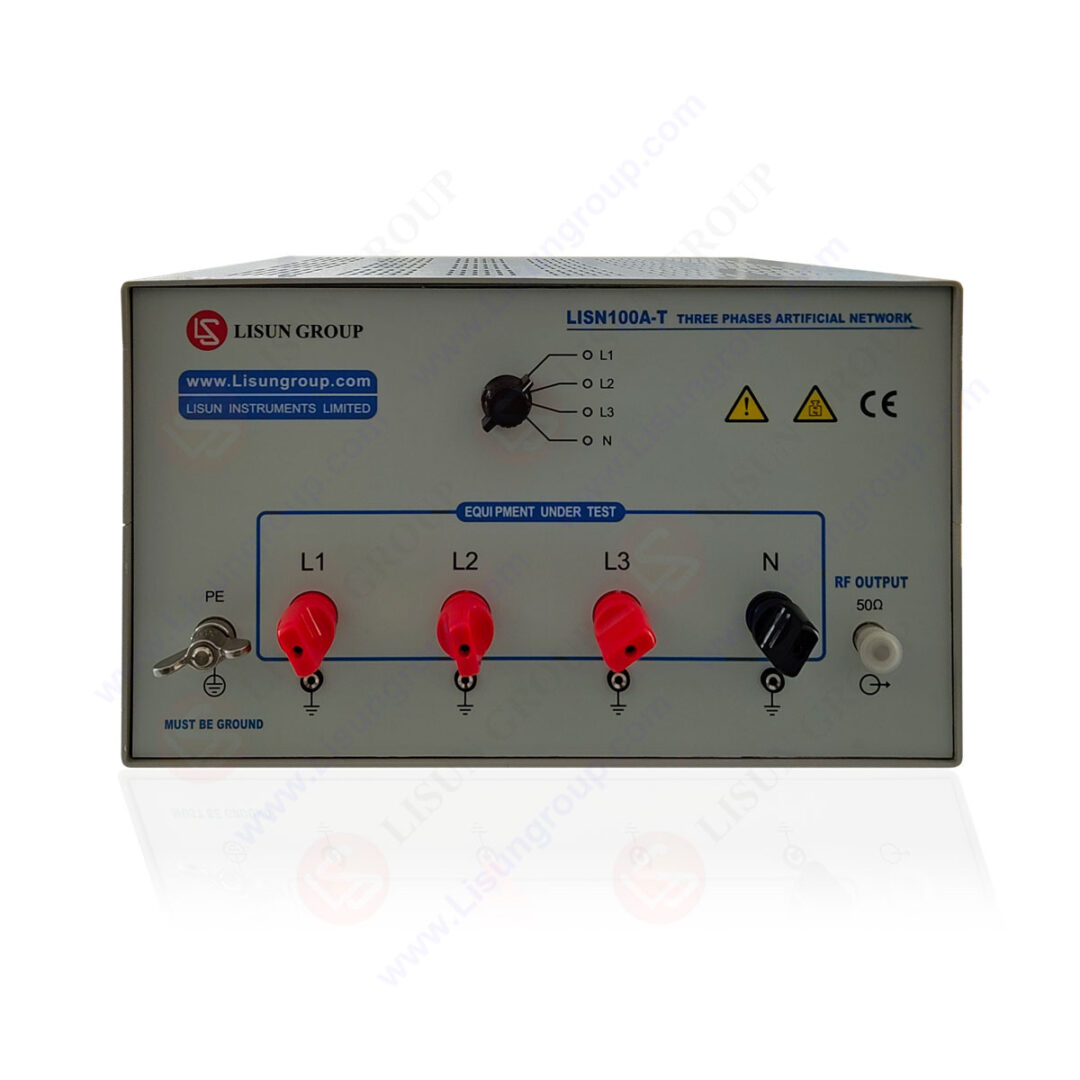
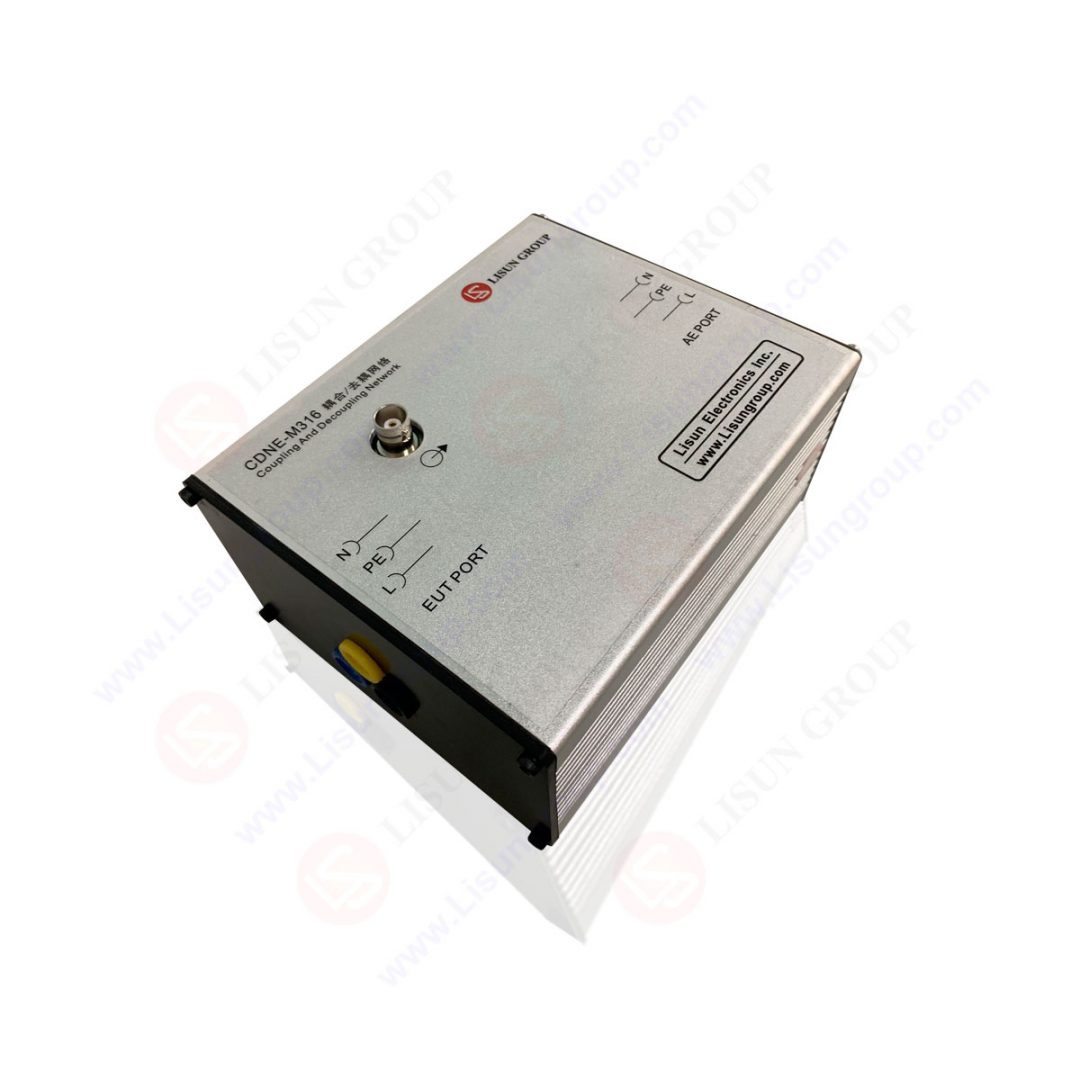
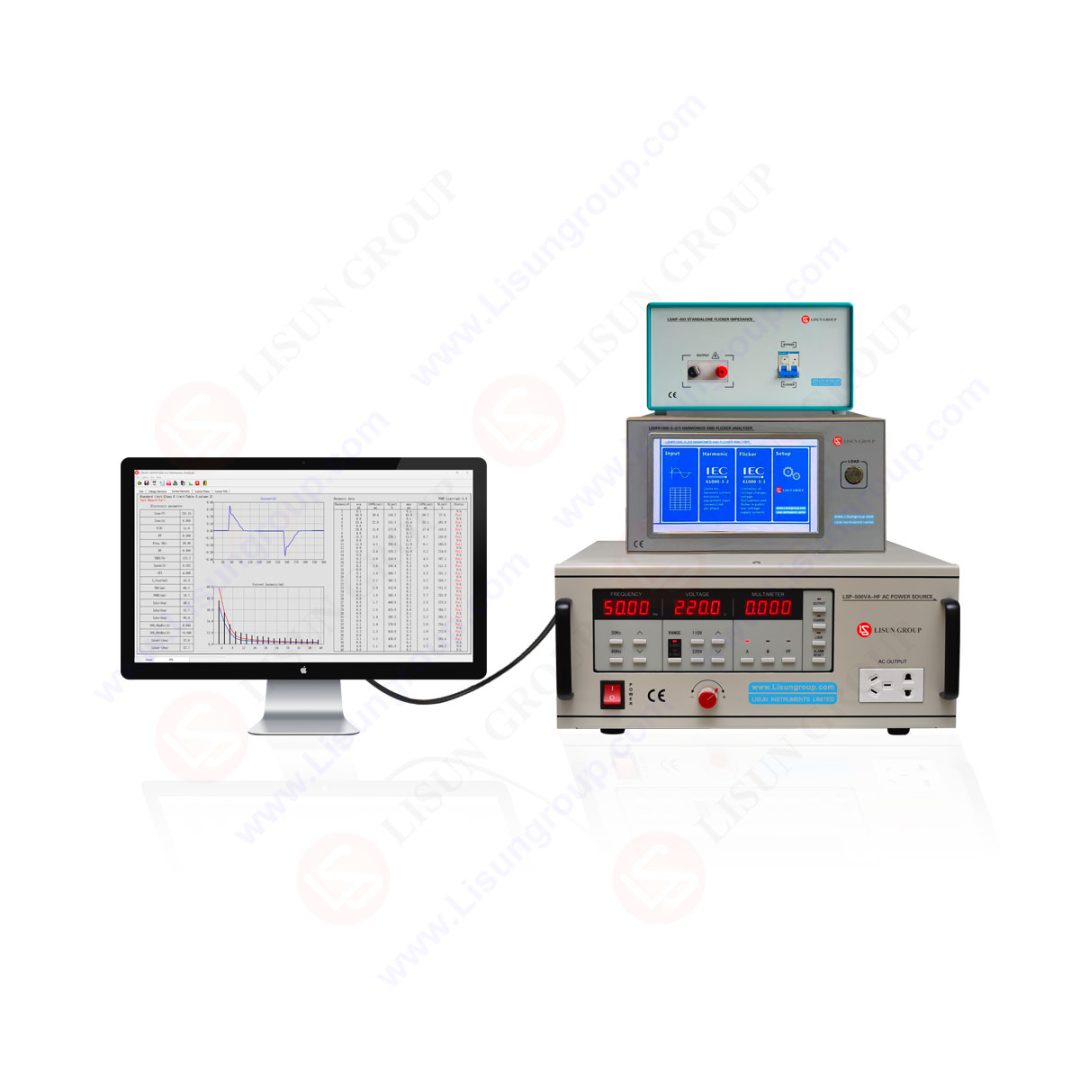
A LISN (Line Impedance Stabilisation Network) provides the defined, stable impedance a conducted emissions measurement requires, isolating the device under test's noise signature from variability in the actual mains supply impedance. An EMI receiver measures the resulting noise across the required frequency range, and coupling networks extend conducted emissions and immunity measurement to signal and data lines beyond the main power connection. Power-quality emissions testing — harmonics and flicker measurement — rounds out the range, addressing a related but distinct compliance requirement around how a product's current draw affects the supply waveform.
Together, this LISN, receiver, and coupling network infrastructure forms the standard measurement chain CISPR-style conducted emissions testing is built around, with harmonics and flicker testing as the adjacent power-quality discipline that many of the same product categories also need to demonstrate compliance against.
Frequently Asked Questions
Why is a LISN needed rather than measuring conducted emissions directly on the mains supply?
The actual impedance of a mains supply varies by location and installation, which would make conducted emissions measurements inconsistent and non-reproducible between test sites. A LISN provides a standardised, known impedance so measurements taken on different equipment at different sites can be meaningfully compared against the same limit lines.
What's the difference between conducted emissions testing and harmonics/flicker testing?
Conducted emissions testing measures unwanted high-frequency noise a product injects back onto its power and signal lines, while harmonics and flicker testing measures how a product's current draw distorts the mains supply waveform and causes voltage fluctuations — both are power-quality-adjacent measurements, but they address distinct compliance requirements and typically use different (though sometimes overlapping) instrumentation.
Do coupling networks apply to emissions testing, immunity testing, or both?
Coupling networks are used on both sides — they extend conducted emissions measurement to signal and data lines beyond the main power connection, and the equivalent coupling/decoupling networks are also used to apply conducted immunity disturbances to those same lines during immunity testing.