Conducted Immunity Test Systems
Surge, EFT/burst, ring wave, voltage dips, magnetic field, and RF conducted immunity test systems, with coupling networks and measurement accessories.
Real-world electrical disturbances — a lightning-induced surge on a power line, a switching transient from nearby equipment, a voltage dip during a grid fault — don't arrive as clean, steady-state conditions, and a product needs to demonstrate it survives and continues operating through these specific disturbance types. Conducted immunity test systems reproduce these disturbances directly onto a device's power and signal lines to verify exactly that.
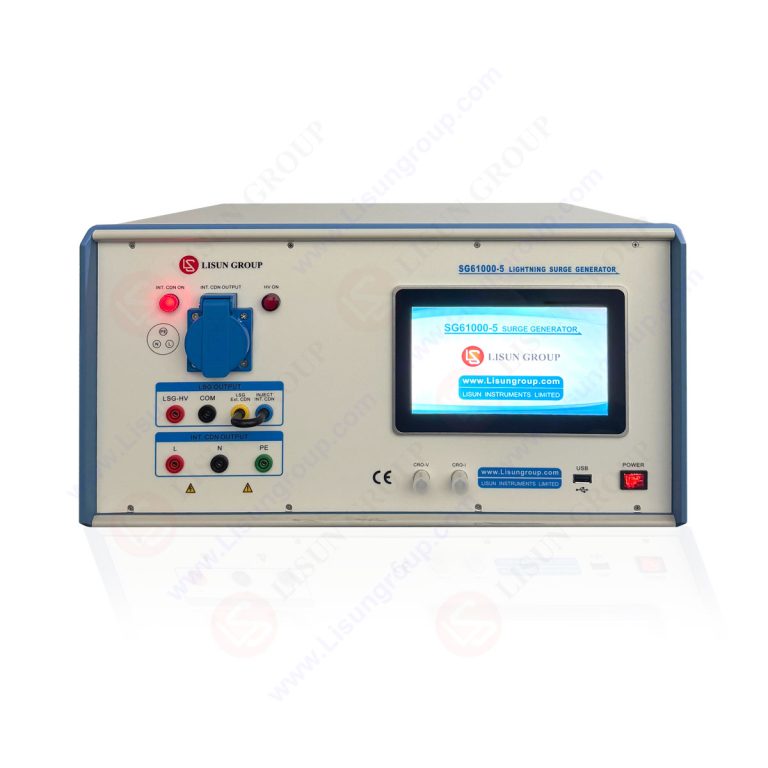
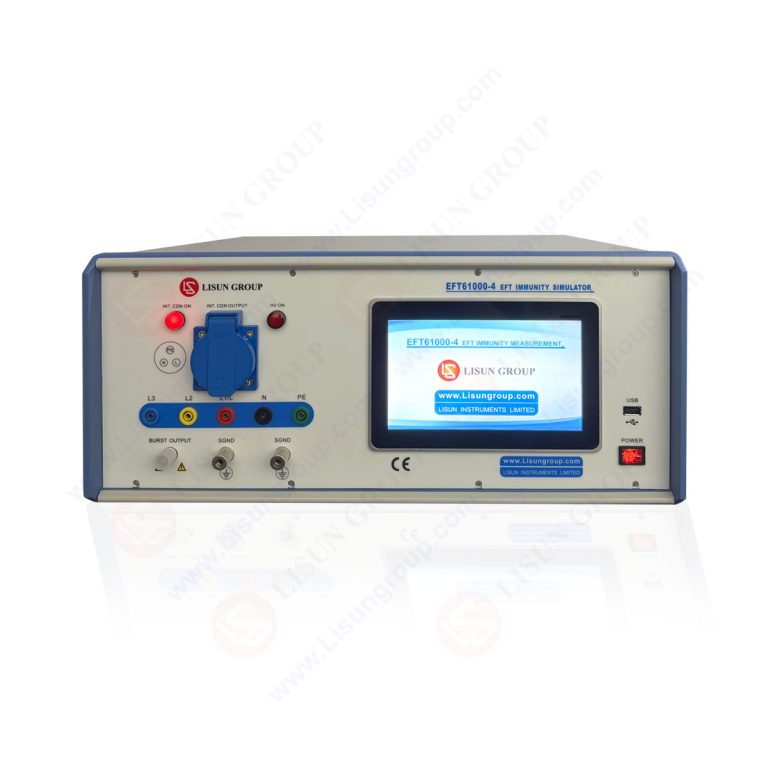
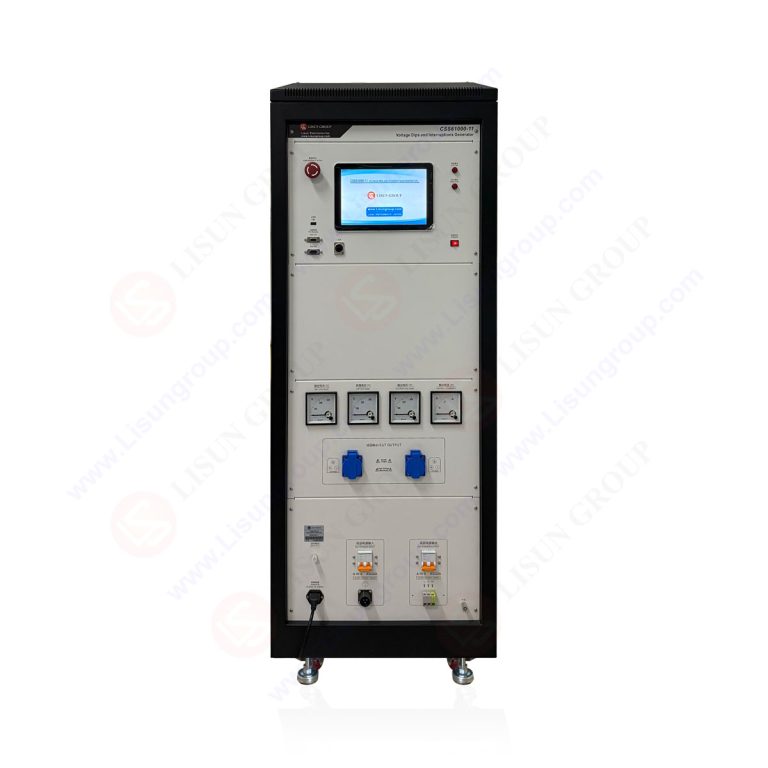
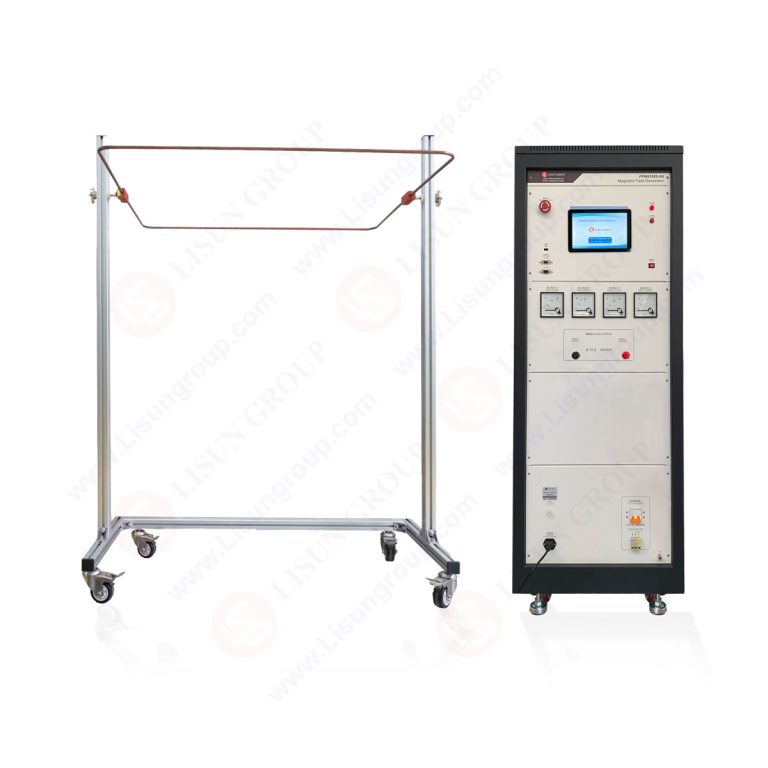
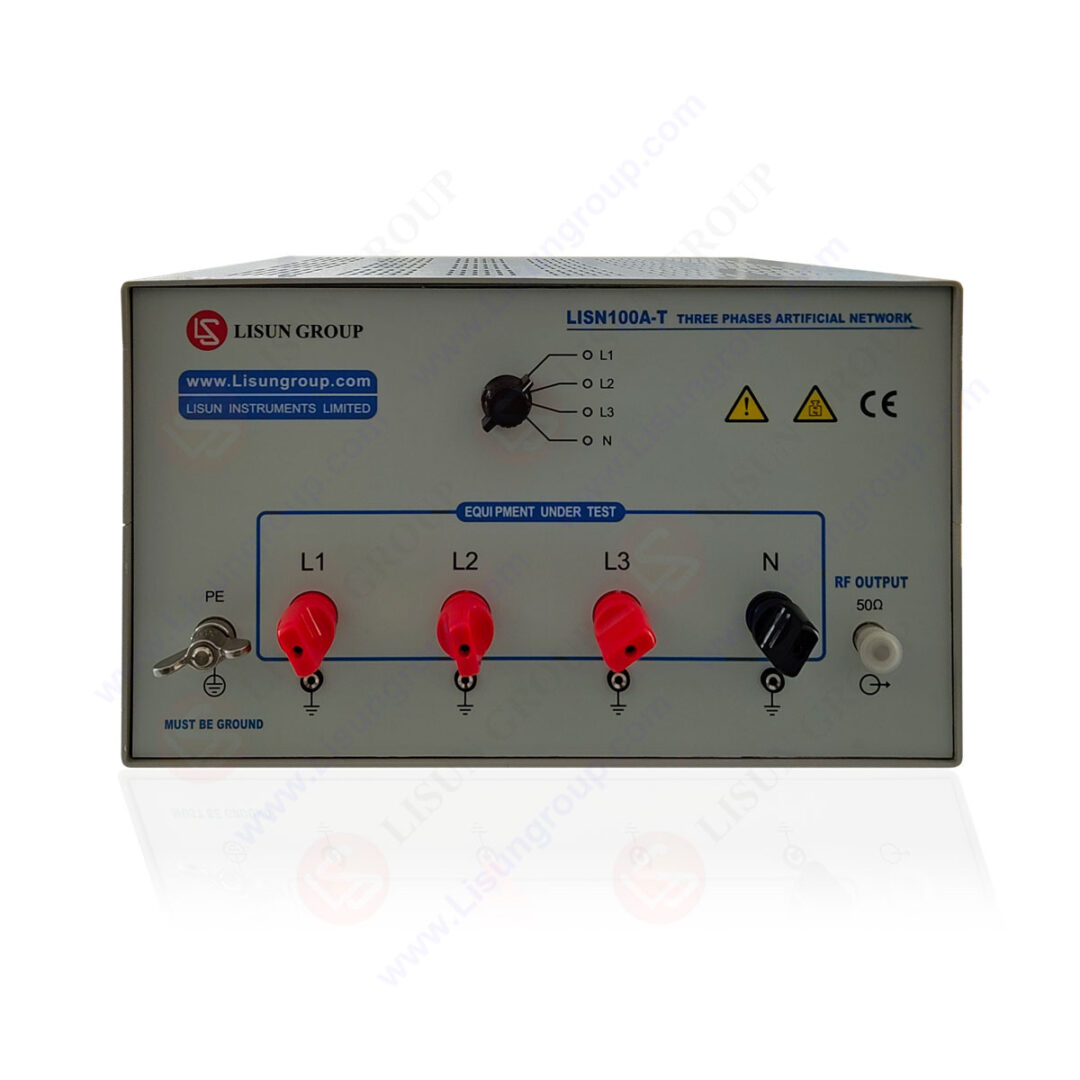
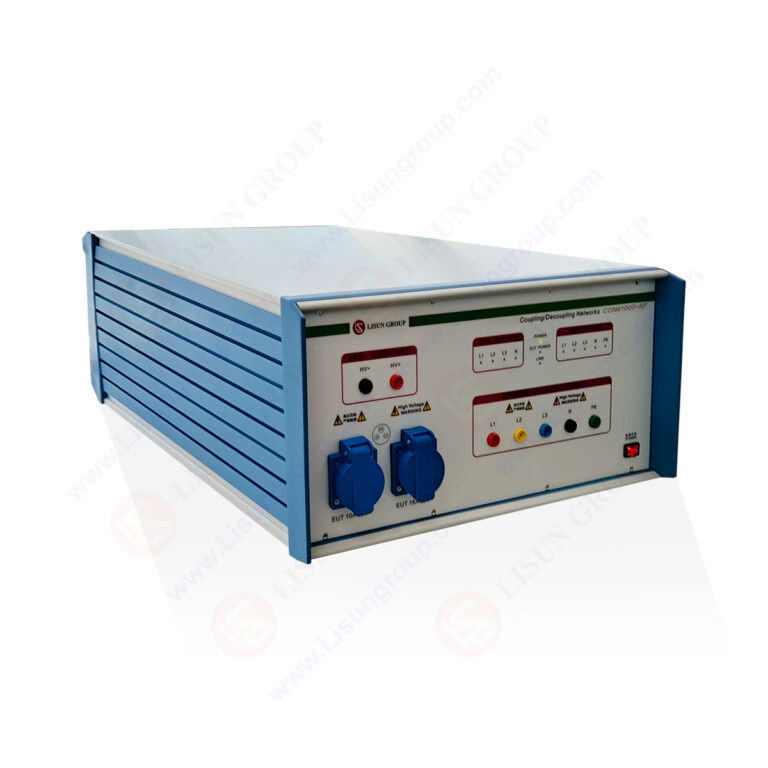
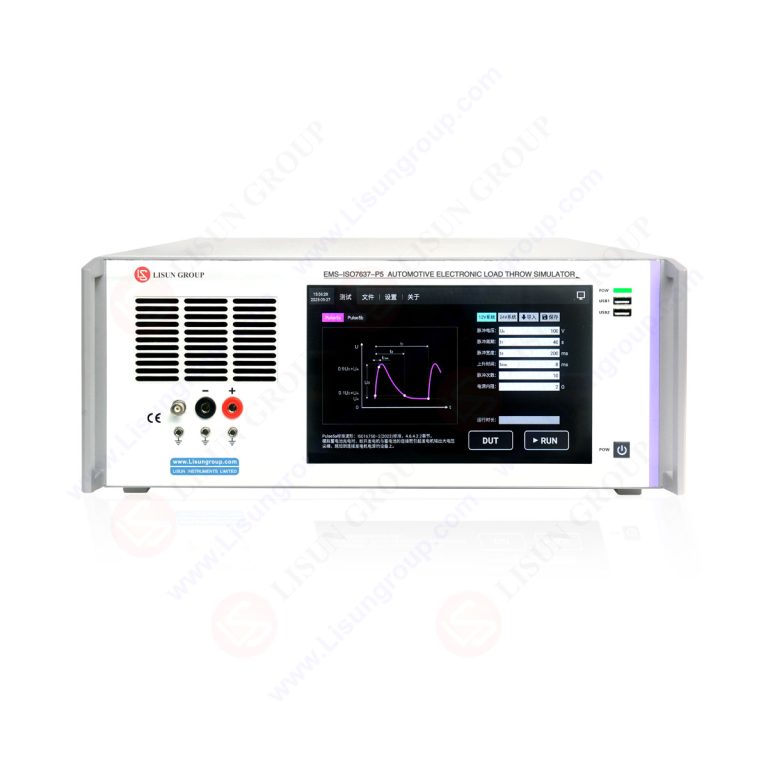
This range covers the specific disturbance types conducted immunity standards define: surge (simulating lightning-induced and switching transients), EFT/burst (fast transient bursts from switching operations), ring wave (a damped oscillatory disturbance), voltage dips (simulating grid supply interruptions and sags), magnetic field immunity, damped oscillatory wave testing, and aerospace-specific voltage spike disturbances. Alongside the disturbance generators themselves, coupling networks apply these disturbances correctly to the lines under test, and measurement accessories verify the disturbance was actually applied as intended.
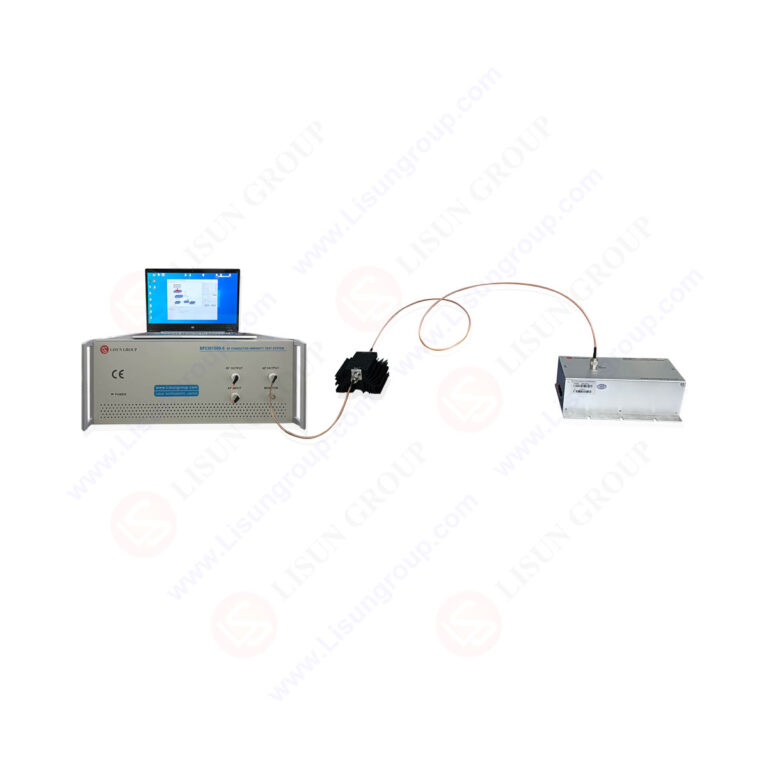
RF power amplification is also included in this range for conducted RF immunity work — injecting an RF disturbance directly onto cables and lines, as distinct from the radiated RF immunity testing that applies a field around the entire device rather than onto specific conductors.
Frequently Asked Questions
What's the difference between surge and EFT/burst testing?
Surge testing reproduces a single, higher-energy transient event like a lightning strike or major switching event, while EFT/burst testing reproduces a rapid series of lower-energy transient pulses typical of relay or switching contact bounce — both are real disturbance types a product's power and signal lines can encounter, but with different energy and repetition characteristics.
Why do coupling networks matter for conducted immunity testing?
A disturbance generator needs to apply its test signal onto the actual lines under test — power, signal, or data lines — without damaging the disturbance generator itself or disrupting the device's normal operation outside the test. Coupling (and decoupling) networks provide this controlled, standard-compliant path for applying the disturbance correctly.
What's the difference between conducted RF immunity and radiated RF immunity?
Conducted RF immunity injects an RF disturbance signal directly onto a device's cables using RF power amplification and a coupling network, targeting susceptibility via the cabling specifically. Radiated RF immunity instead applies an RF field around the entire device through free-space radiation, testing susceptibility via any path — cabling, enclosure, or internal circuitry directly.