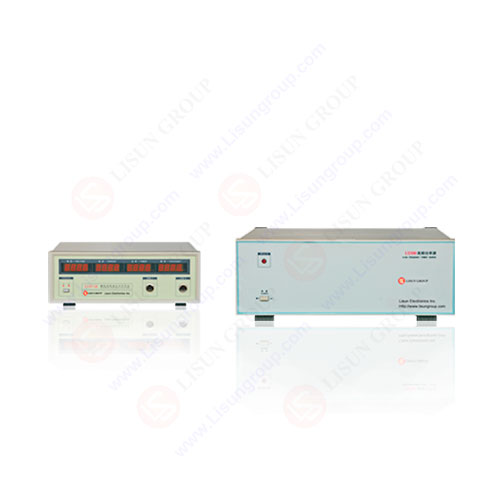
Magnetic Material Analyzer
B-H loop and core-loss characterisation for magnetic materials.
Characterising a magnetic material's actual performance — how much energy it loses per cycle, how its flux density responds to applied field strength — goes well beyond a single inductance reading. B-H loop and core-loss characterisation reveals the full magnetic behaviour of transformer and inductor core materials, information a simple inductance meter can't provide on its own. LISUN's Magnetic Material Analyzer covers exactly this measurement task, tracing the material's actual B-H (flux density vs. field strength) hysteresis loop and quantifying core loss directly.
This range includes the core B-H loop and core-loss analyzer alongside the companion UI9702 Magnetic Core Selector, which sorts and grades magnetic cores by their measured inductance and loss characteristics — useful where a manufacturing or incoming-inspection process needs to bin cores by actual measured performance rather than relying solely on the supplier's nominal specification. Together, these two instruments cover both material-level characterisation (understanding how a specific core material behaves) and production-line sorting (grading individual cores against that characterisation).
This combination matters for transformer and inductor design and manufacturing, where core material selection and consistency directly affect the finished component's efficiency and thermal performance — a core loss difference that looks small on paper can translate into a meaningful efficiency or heating difference in the finished product.
Frequently Asked Questions
What does "B-H loop" characterisation actually measure?
A B-H loop traces how a magnetic material's flux density (B) responds as the applied magnetic field strength (H) is cycled through a full range, forming a hysteresis loop whose shape and area reveal key material properties — including core loss, which corresponds to the energy dissipated per cycle as heat.
Why would I need a core selector in addition to a material analyzer?
The material analyzer characterises the fundamental magnetic properties of a core material or sample, while the core selector sorts and grades individual production cores by their measured inductance and loss characteristics — a production/QC function distinct from material-level research and development characterisation.
Why does core material consistency matter for transformer and inductor manufacturing?
Inconsistent core material properties from batch to batch can introduce variability in the finished component's inductance, loss, and thermal performance — sorting or verifying cores against measured characteristics helps catch this variability before it reaches a finished product where it's much harder to diagnose.