Lighting Safety & Mechanical Test Equipment
Photobiological Safety, Mechanical, and Electrical Safety Testing for Lamps and Luminaires
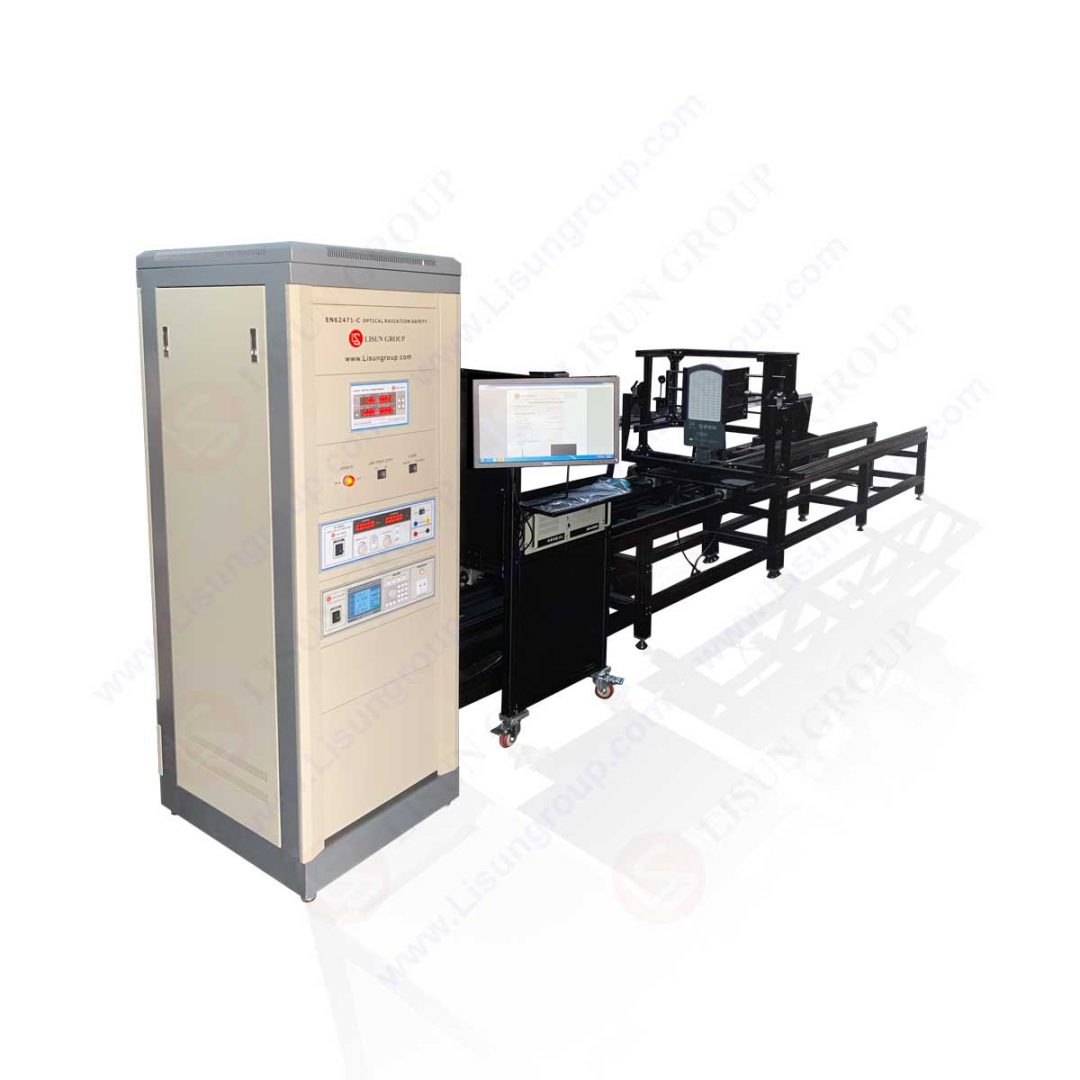
A lamp or luminaire that performs well photometrically still needs to be safe in normal use — free from photobiological hazards like excessive blue light or UV/IR exposure, mechanically sound at its lamp cap and fastener connections, and electrically safe to touch. LISUN's EN62471 / CH / TMP Series covers this full safety verification scope: photobiological safety testing to IEC 62471, mechanical torque and dimensional gauging, touch current measurement, and thermal characterisation.
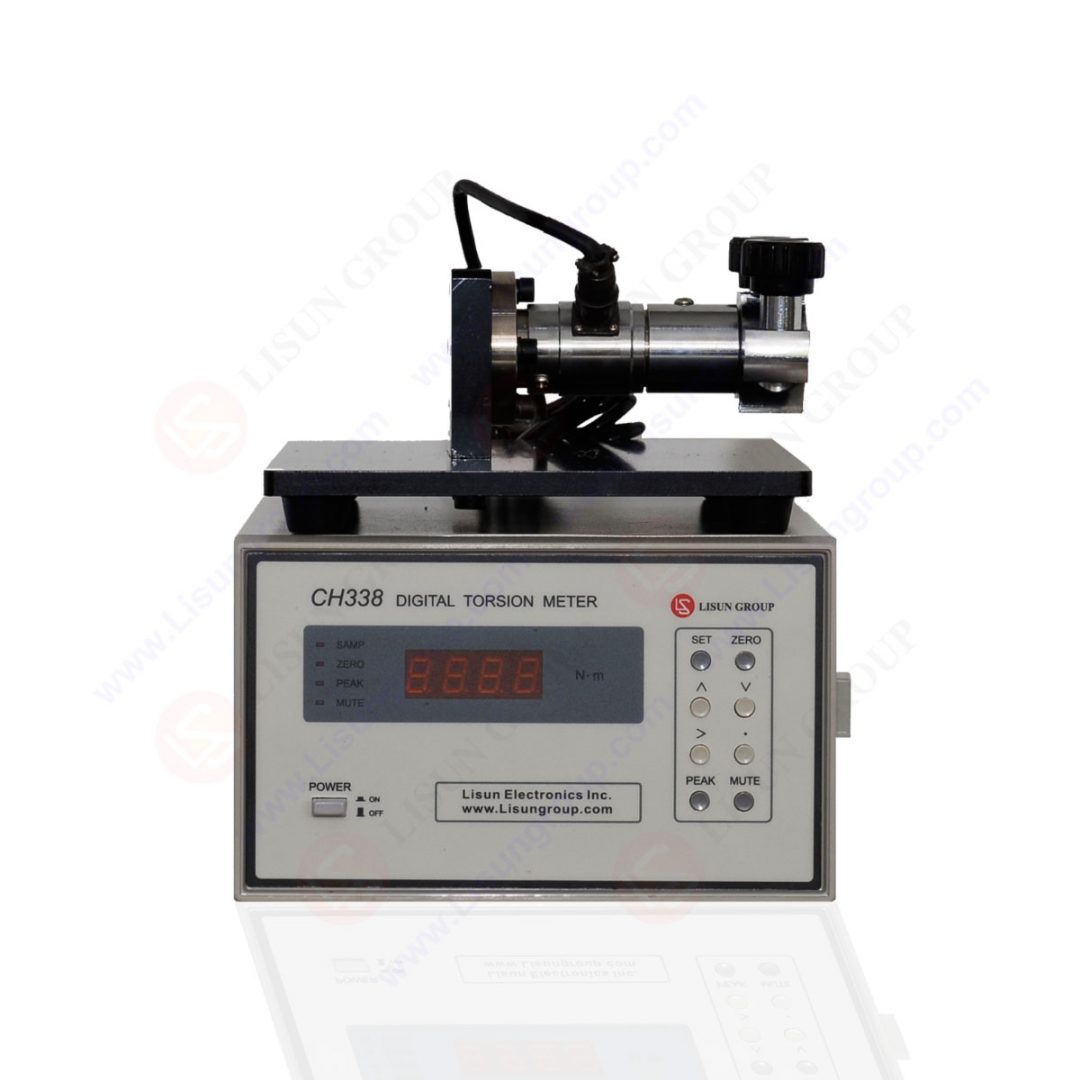
Photobiological safety testing spans 200–3000nm across UV, visible, and infrared wavelengths, assessing blue light hazard and other optical radiation risks per IEC 62471 — a standard that applies not just to general lighting but to any product with an LED light source a person might view directly, including the electric toys covered by the IEC 62115-C19 variant in this range. Mechanical testing covers torque profile verification for lamp caps and luminaire fasteners, plus go/not-go dimensional gauge sets to IEC 60061 that confirm a lamp cap physically fits its intended socket within the standard's tolerances — a basic compatibility check that still needs verifying on every new lamp cap design or production batch.
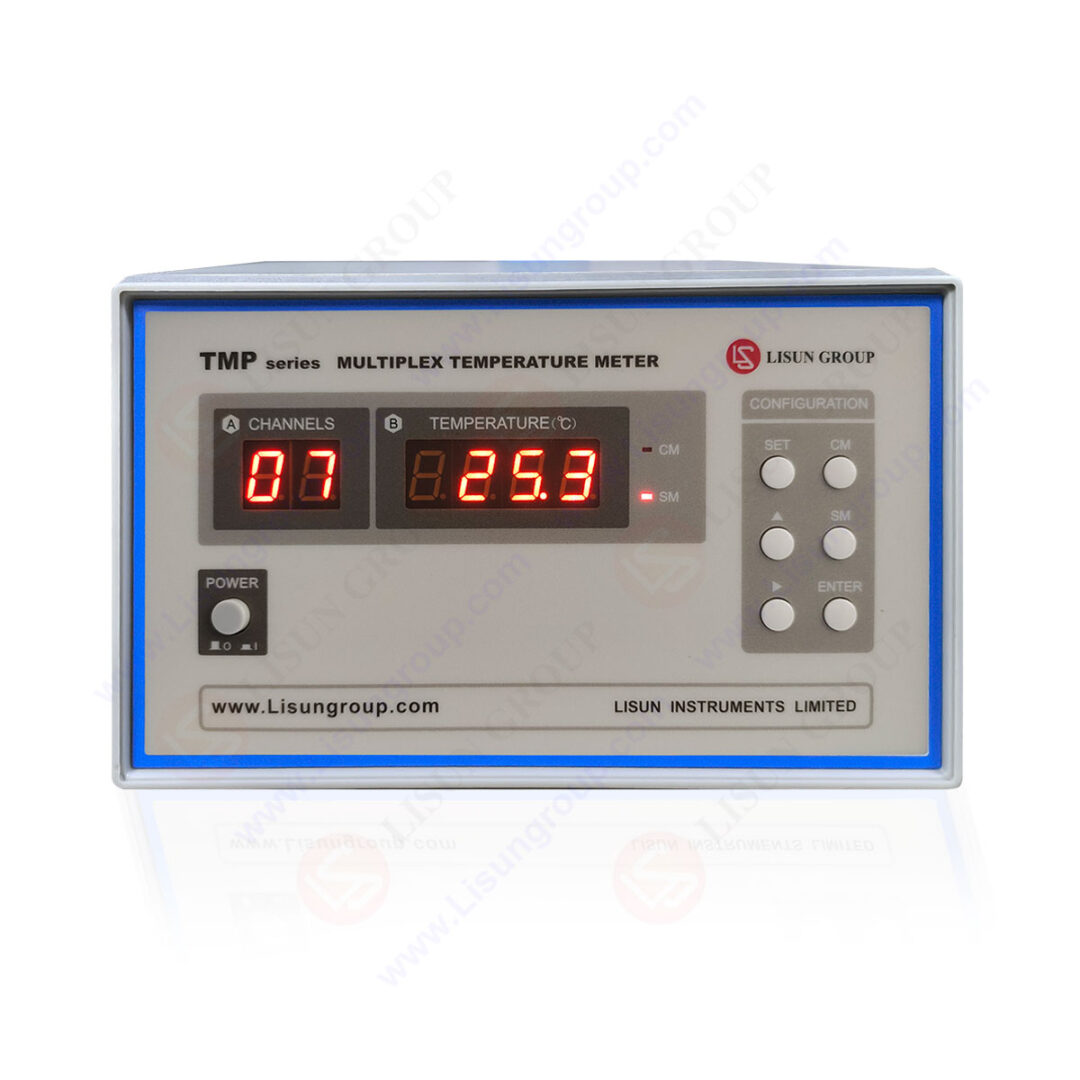
Touch current measurement to IEC 60598-1:2024 Annex G verifies a luminaire won't deliver a hazardous electrical shock through accessible surfaces, while multi-channel K-type temperature testing up to 300°C characterises thermal behaviour during operation — relevant both for the safety implications of excessive operating temperature and for correlating thermal performance against a product's rated life and lumen maintenance claims.
Frequently Asked Questions
What does IEC 62471 photobiological safety testing actually assess?
IEC 62471 assesses the risk of optical radiation hazards from a light source, most notably blue light hazard to the retina, but also covering UV and infrared exposure risks across the 200–3000nm range. It applies a risk group classification based on measured radiance and irradiance, relevant to any light source a person might view at close range or for extended periods.
Why is a go/not-go lamp cap gauge still necessary given modern manufacturing precision?
Even with precise manufacturing, a lamp cap needs to physically fit its intended socket within the dimensional tolerances IEC 60061 specifies — a go/not-go gauge is a fast, unambiguous pass/fail check against those exact tolerances, useful both for design verification and for routine production quality checks where a full dimensional measurement isn't practical for every unit.
Why does touch current measurement matter specifically for LED luminaires?
LED luminaires often use switch-mode driver electronics that can, under fault or design flaw conditions, allow current to flow through accessible metal surfaces at levels that pose a shock hazard even without a direct short circuit. Touch current measurement to IEC 60598-1:2024 Annex G verifies this current stays within the safe limit the standard defines, an electrical safety check distinct from basic insulation testing.