Material & Optical Analysis Instruments
RoHS/element analysis, colour and glossiness measurement, and specialised material analyzers.
Verifying material composition, optical clarity, colour accuracy, and surface finish quality touches several distinct measurement disciplines — elemental analysis, colorimetry, haze and gloss measurement, and specialty textile testing — each requiring its own instrument technology. LISUN's Material & Optical Analysis Instruments range spans this full scope, covering RoHS and elemental analysis, colour and glossiness measurement, and other specialised material analyzers under one product range.
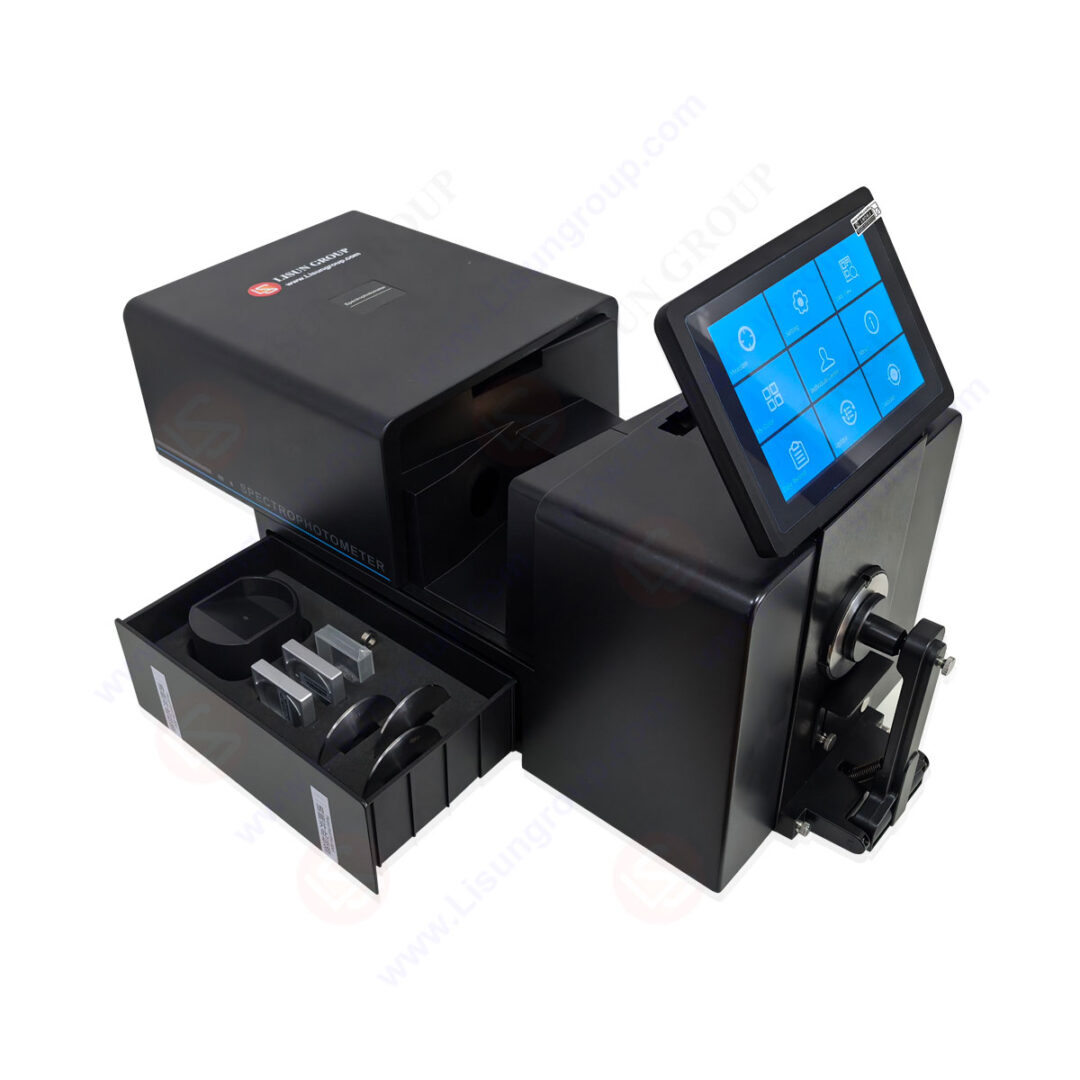
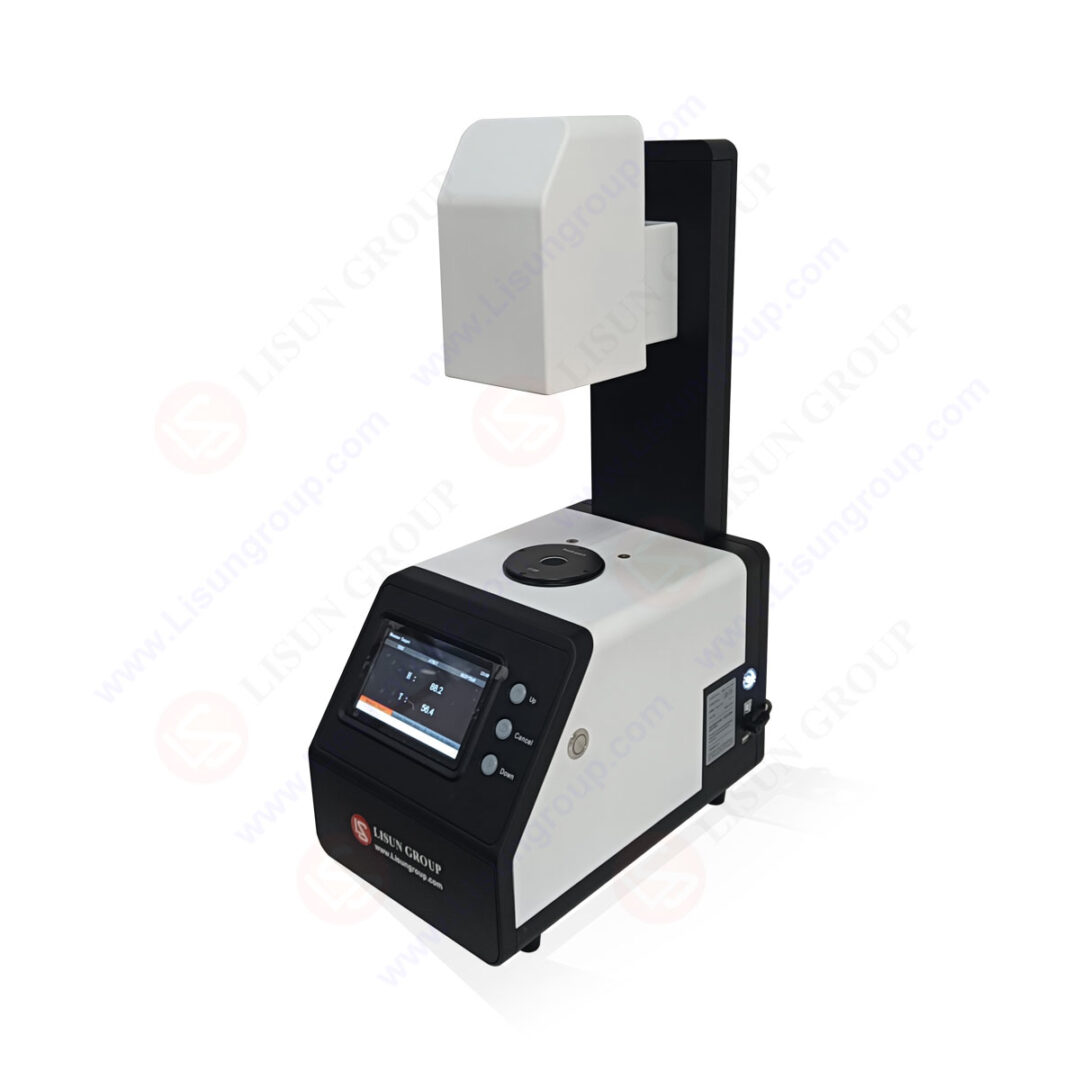
Colour and appearance measurement covers spectrophotometers measuring spectrum, transmittance, and reflectance for precise colour characterisation, portable colorimeters for field or line colour verification, gloss meters for surface finish assessment, and colour densitometers measuring transmission and reflection optical density — the range spanning benchtop laboratory precision through to portable field-verification instruments. Optical property analysis extends this to haze meters, which measure how much a transparent or translucent material scatters transmitted light (a key quality parameter for optical films, glazing, and packaging), and retroreflectometers, which measure how effectively a surface reflects light back toward its source — critical for road signage, safety garments, and other retroreflective materials where standards specify minimum reflectance performance.
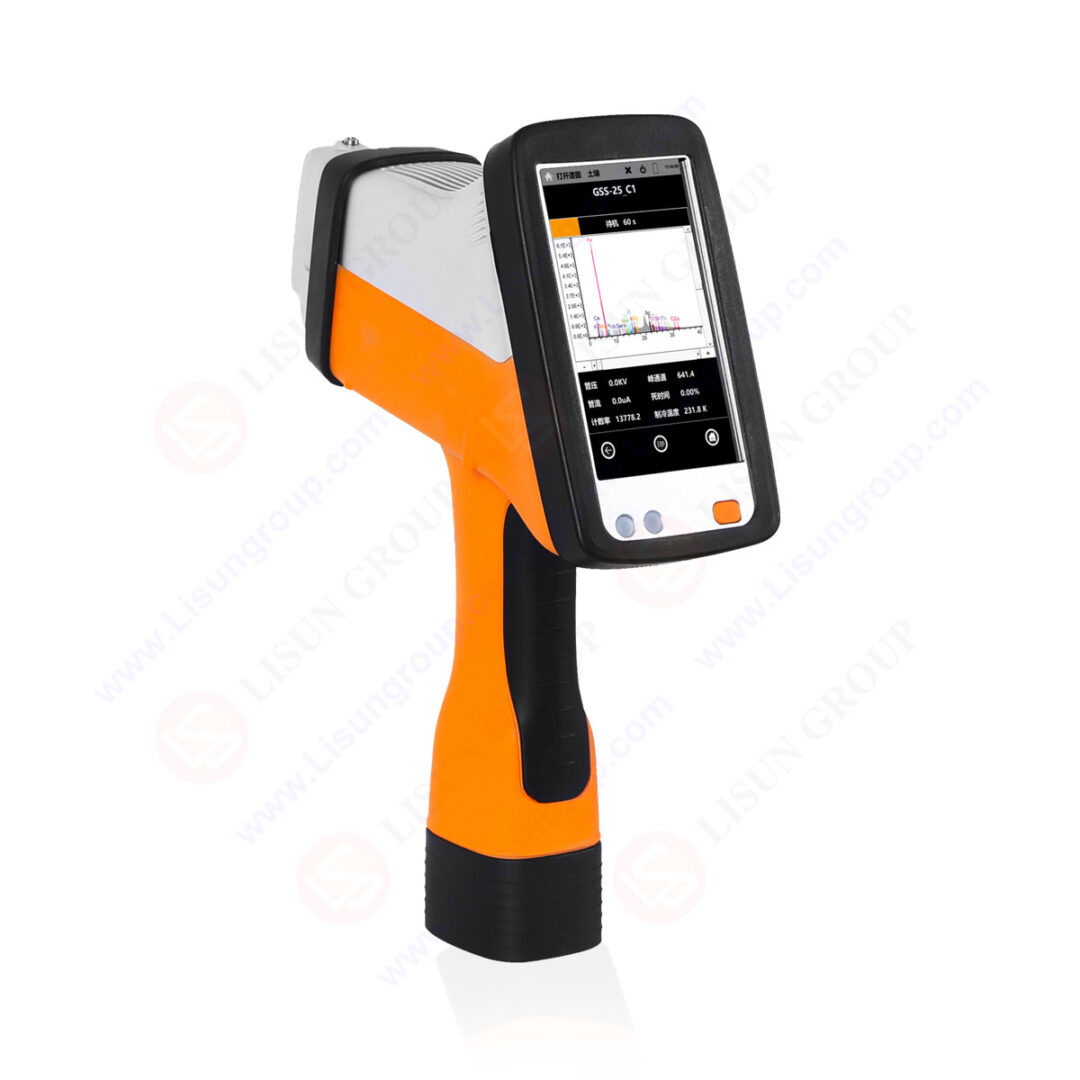
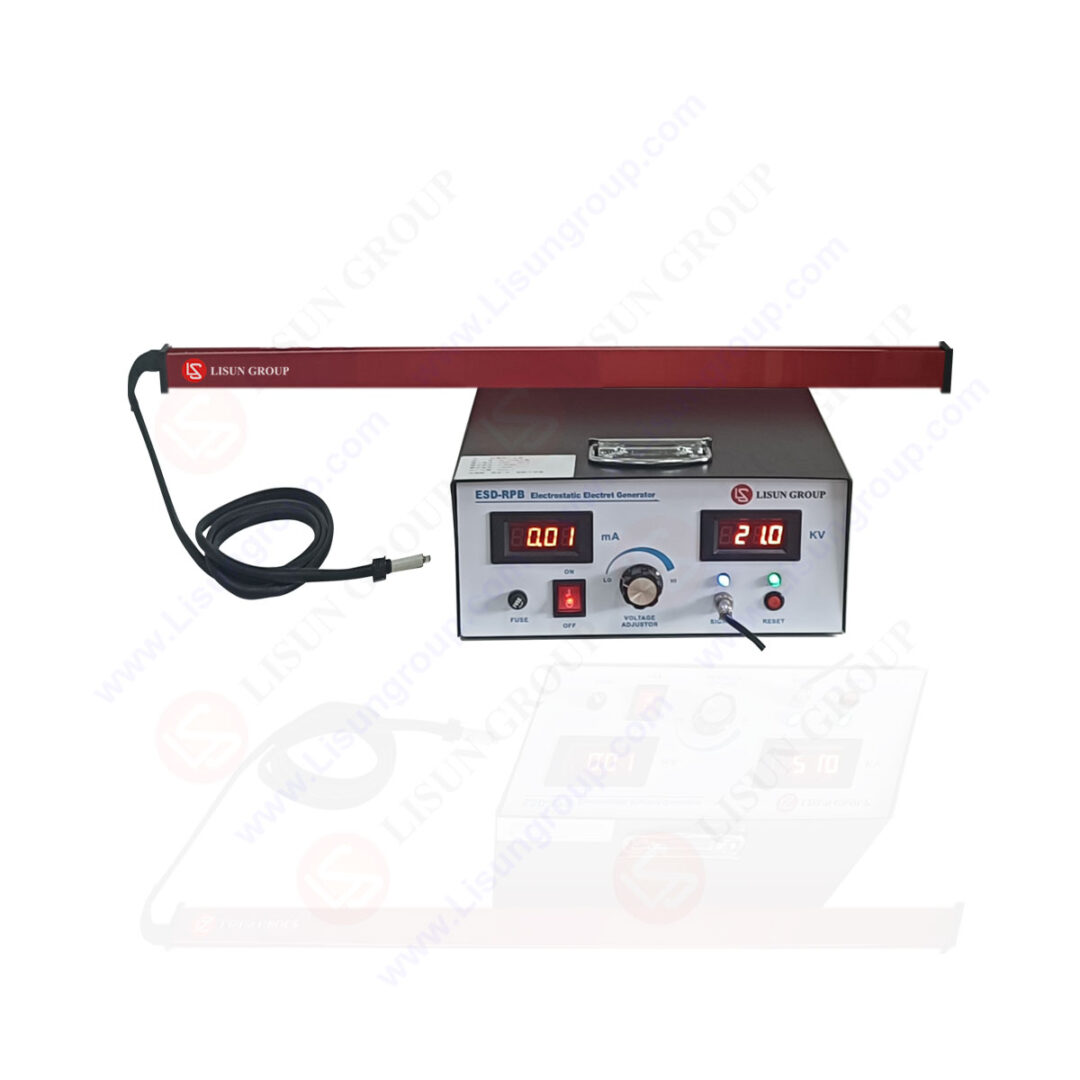
Elemental and material analysis is handled by EDXRF (energy-dispersive X-ray fluorescence) technology, verifying RoHS 2011/65/EU and IEC 62321 compliance by detecting restricted substances like lead, cadmium, and mercury in materials and finished products — a non-destructive test method that avoids the sample destruction a wet-chemistry analysis would require. Rounding out the range, specialty textile and filtration instruments cover meltblown cloth electrostatic electret generation (relevant to filter media manufacturing) and face mask particulate filtration efficiency testing, addressing quality verification needs specific to filtration and protective equipment production.
Frequently Asked Questions
What does EDXRF testing verify for RoHS compliance, and why is it non-destructive?
EDXRF (energy-dispersive X-ray fluorescence) analysis detects and quantifies elements like lead, cadmium, mercury, and hexavalent chromium in a material or finished product by measuring the characteristic X-ray fluorescence each element emits when excited — without requiring the sample to be dissolved, digested, or otherwise destroyed, unlike wet-chemistry analytical methods. This makes it practical for routine incoming-material screening and finished-product verification against RoHS 2011/65/EU and IEC 62321 limits.
What's the difference between a haze meter and a gloss meter?
A haze meter measures how much light passing through a transparent or translucent material is scattered rather than transmitted directly — relevant for clarity in optical films, glazing, and packaging. A gloss meter instead measures how much light reflects off a surface at a specular angle, characterising surface finish and shine rather than transmission clarity — the two measure genuinely different optical properties, even though both affect a material's visual appearance.
Why does meltblown cloth testing matter for filter media manufacturing?
Meltblown fabric's filtration performance depends partly on electrostatic charge held in the fibers, which enhances particle capture beyond what mechanical filtration alone would achieve. An electrostatic electret generator applies and verifies this charge during production, while particulate filtration efficiency testing on the finished material or mask confirms the actual filtration performance the charged fabric delivers.