EMC & RF Antennas
Horn, Phased Array, and High-Gain Antennas for Radiated Test
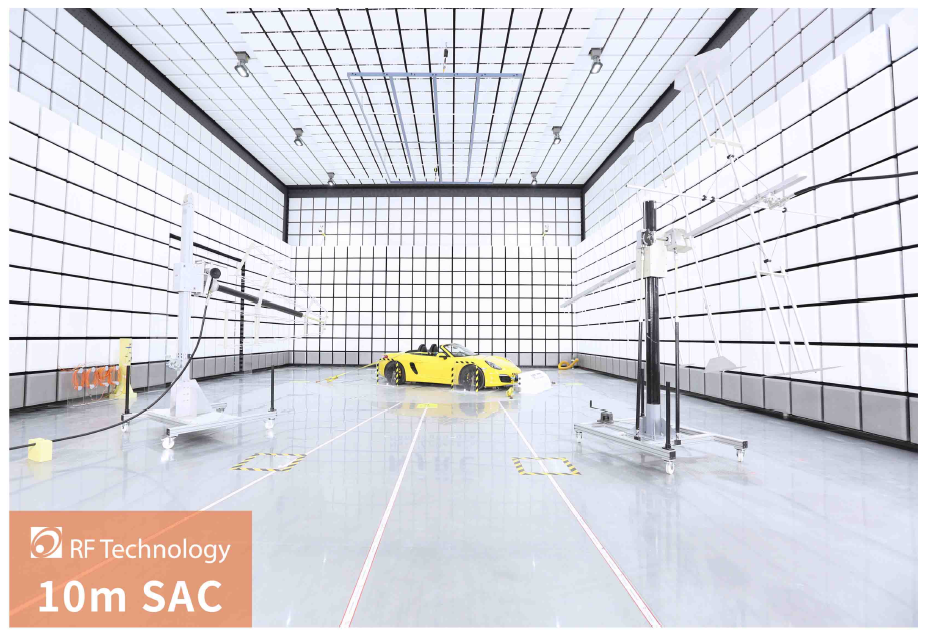
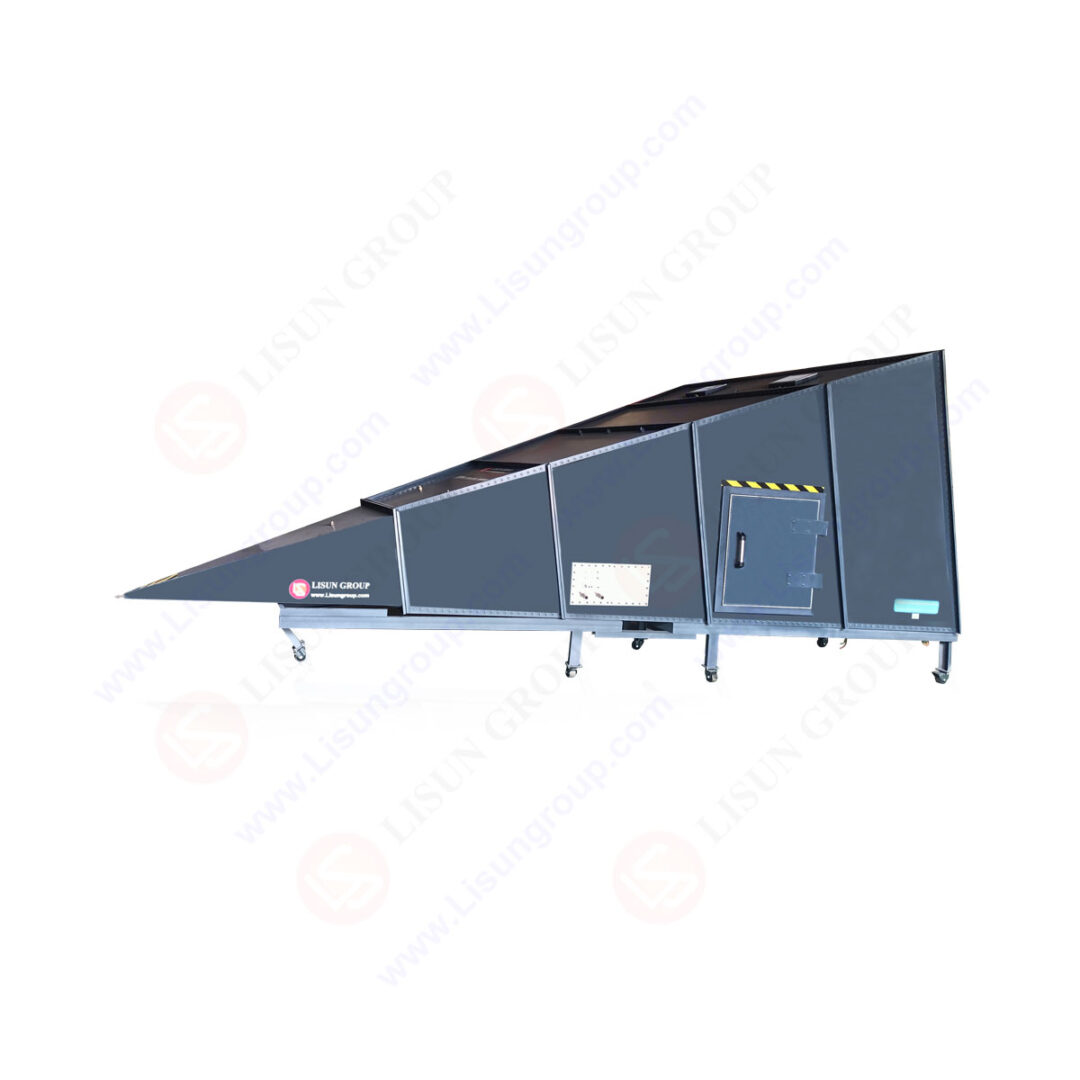
Every radiated EMC test — emissions measurement, immunity testing, or HIRF qualification — ultimately depends on an antenna to actually couple RF energy between the test system and the device under test, and the right antenna choice depends heavily on the specific test application, frequency range, and field requirements involved. This range covers the antenna types spanning standard emissions/immunity measurement through to advanced beamforming and multi-angle immunity testing.
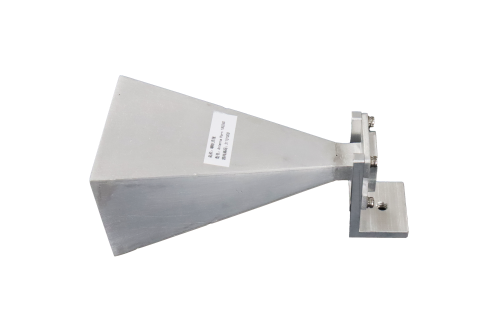
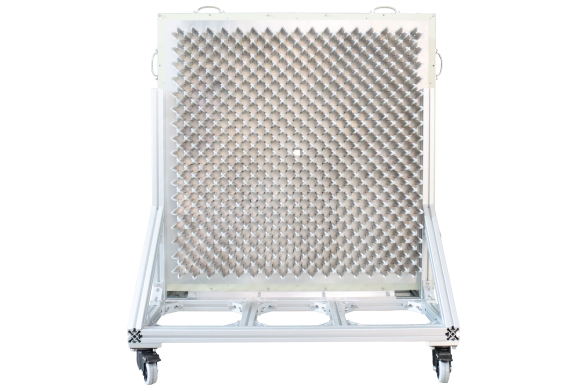
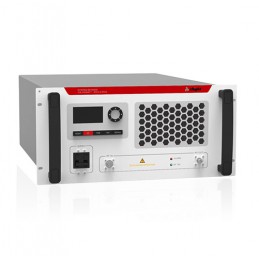
Standard-gain horn antennas, available up to 50GHz, provide the calibrated, well-characterised gain and pattern needed for accurate emissions and immunity measurement across a wide frequency range. Dual-polarized phased array antennas extend this into electronically-scanned beamforming, with scanning ranges up to ±45°, enabling advanced multi-angle immunity testing without physically repositioning the antenna for each test angle. High-power, high-gain antennas are purpose-built for demanding EMC and HIRF testing where both power handling and directional gain matter together.
Low-frequency field generators cover the 10kHz-100MHz range for immunity work below where a standard horn antenna is practical, and loop antennas serve magnetic field measurement specifically — a different measurement quantity from the electric field that most other antenna types in this range are built to generate or measure.
Frequently Asked Questions
Why would a phased array antenna be chosen over a standard horn antenna for immunity testing?
A phased array's electronic beam scanning (up to ±45° here) lets multi-angle immunity testing be performed without physically repositioning the antenna between each test angle, substantially speeding up a test sequence that needs to verify immunity from multiple incidence angles compared to manually repositioning a standard horn antenna for each angle.
What's the difference between electric field and magnetic field antenna types in this range?
Standard horn, phased array, and high-gain antennas primarily couple and measure the electric field component of an RF signal, while loop antennas are specifically designed to couple and measure the magnetic field component — a distinct measurement relevant to certain low-frequency and near-field EMC test scenarios.
Why do low-frequency field generators cover 10kHz-100MHz separately from the standard horn antenna range?
Standard horn antennas become physically impractical at lower frequencies because the wavelength grows too large for a reasonably-sized horn structure to couple efficiently — dedicated low-frequency field generators use different technology suited specifically to generating a controlled field in this lower frequency range.