Shielded Boxes & Compact RF Enclosures
Benchtop RF Testing Without a Dedicated Shielded Room
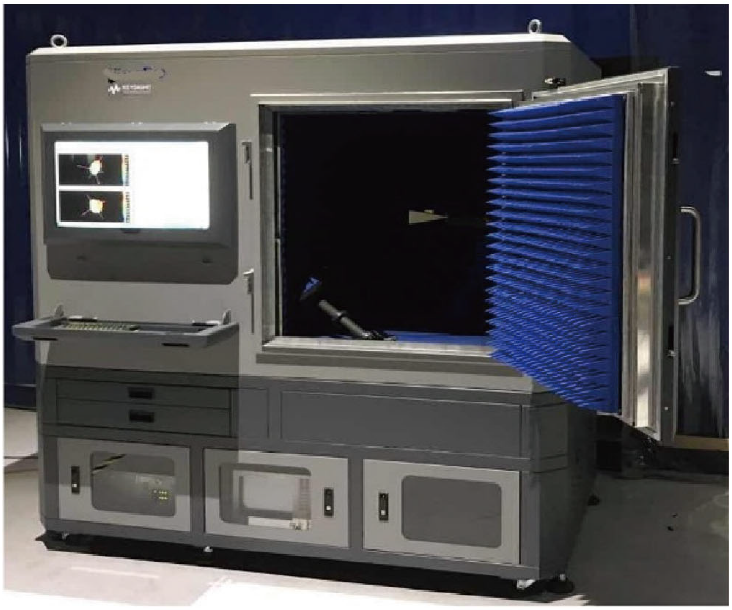
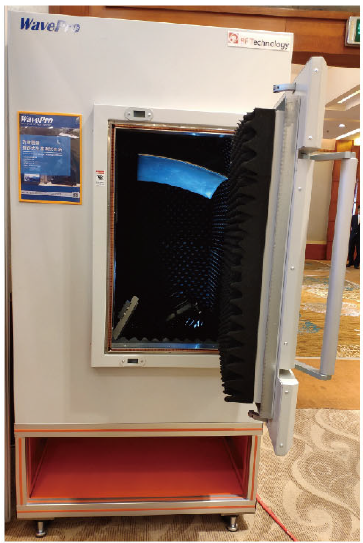
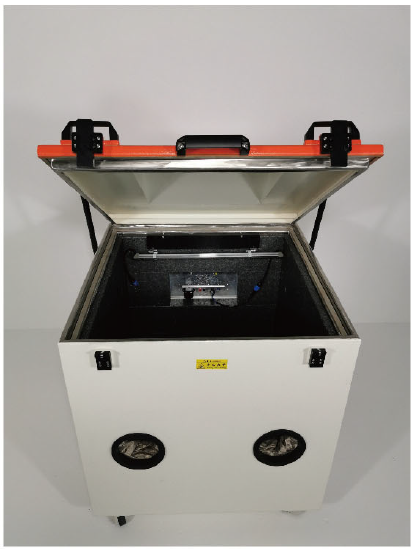
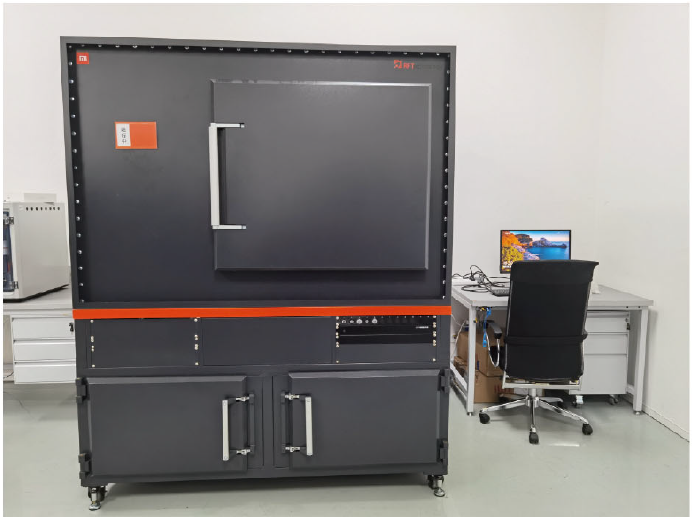
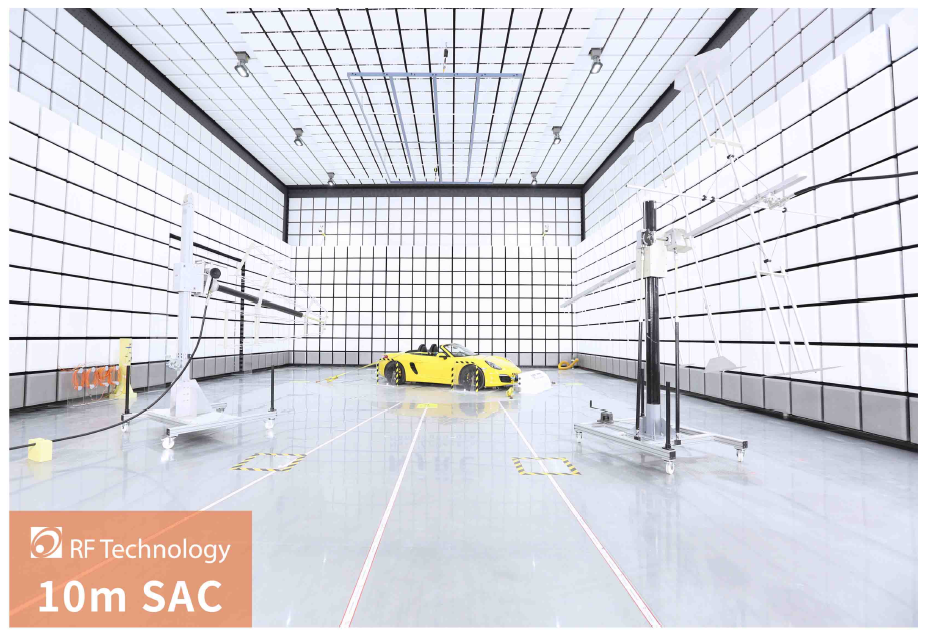
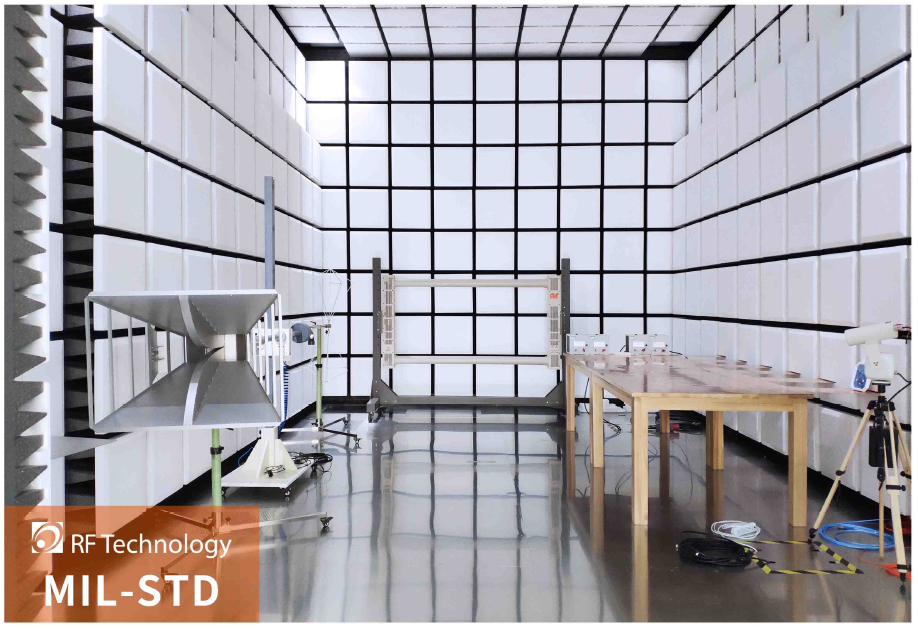
Not every EMC or RF test task justifies the cost and space of a dedicated shielded room — production-line screening, engineering development testing, and specific application tests like antenna range measurement or wireless throughput testing often work well within a self-contained, benchtop-scale shielded enclosure instead. This range brings that level of EMC and RF test capability directly to the benchtop.
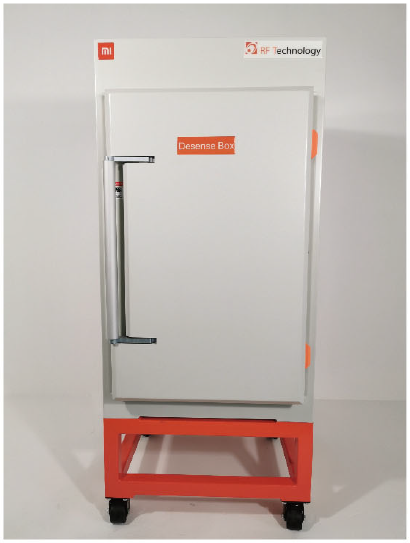
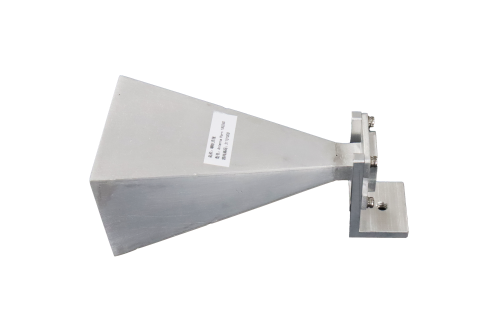
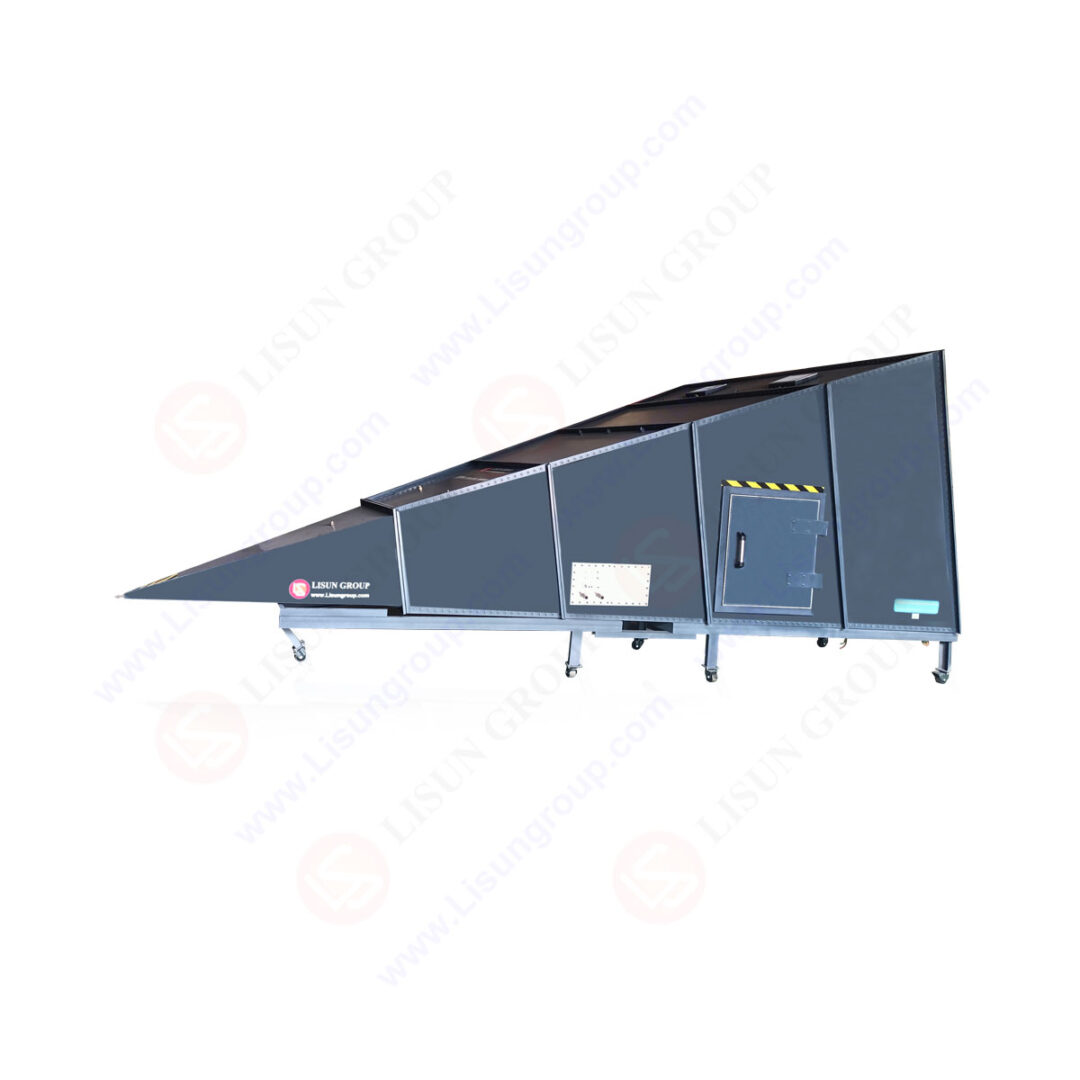
Each enclosure type in this range is purpose-built for a specific test application rather than being a generic small shielded box. Compact antenna range measurement enclosures support antenna characterisation without a full anechoic chamber's footprint. Terminal and handset field testing enclosures address wireless device evaluation directly. Near-field interference detection and mapping enclosures locate and characterise interference sources at close range. Radar simulator testing and automated wireless throughput testing enclosures support their respective specialised test workflows, and desense analysis enclosures address the specific challenge of characterising how a device's own internal RF sources degrade its receiver sensitivity.
This breadth of purpose-built enclosure types, rather than one generic shielded box, reflects how differently these various test applications actually use a shielded environment — a compact antenna range measurement setup and an automated throughput testing setup have quite different internal configuration needs despite both being "compact RF enclosures."
Frequently Asked Questions
What is desense analysis and why does it need a dedicated enclosure type?
Desensitisation (desense) occurs when a device's own internal RF sources — like a cellular transmitter — interfere with its own receiver sensitivity. Characterising this requires a controlled shielded environment specifically configured to isolate and measure this internal self-interference effect, distinct from testing external emissions or immunity.
When is a compact shielded enclosure a better choice than a full shielded room?
Where the test application, device size, and required test standard all fit within the enclosure's working volume and capability — production-line screening, engineering development work, and specific application tests like handset or throughput testing are common cases where a benchtop enclosure covers the requirement without the cost and space of a dedicated shielded room.
Can these enclosures replace a full anechoic chamber for formal compliance certification?
Generally these are positioned for development, screening, and specific application testing rather than as a full anechoic chamber replacement for final formal compliance certification, though the specific applicability depends on the test standard and enclosure type in question.