Laser Cleaning & Welding Systems
Non-Contact Laser Cleaning and Precision Welding Without Consumables
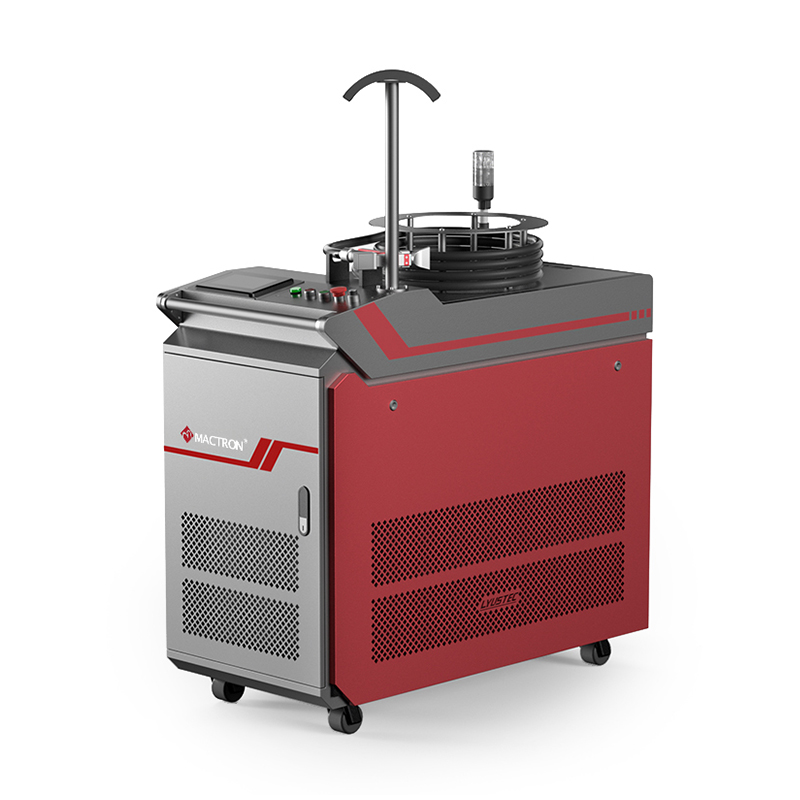
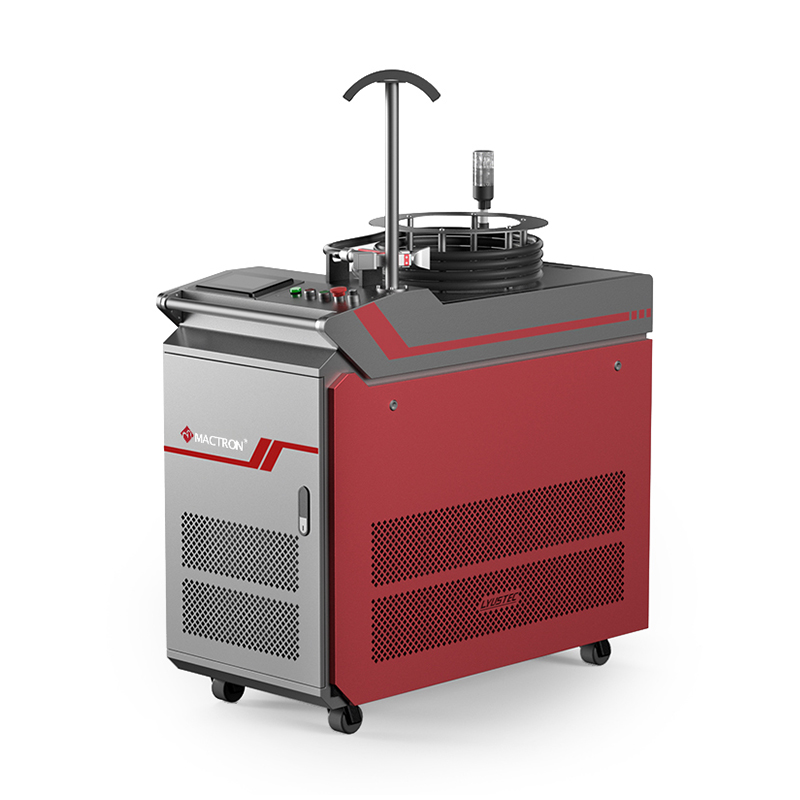
Removing rust, coatings, or contamination from a metal surface traditionally means abrasive blasting or chemical stripping — both of which generate waste media or hazardous chemical byproducts that need handling and disposal. Laser cleaning replaces this with a non-contact, chemical-free process: a focused laser beam ablates the unwanted surface layer while leaving the base material largely unaffected. Mactron's MT-CL Series covers this cleaning capability alongside handheld fiber laser welding, another non-contact laser process that joins metal without filler consumables.
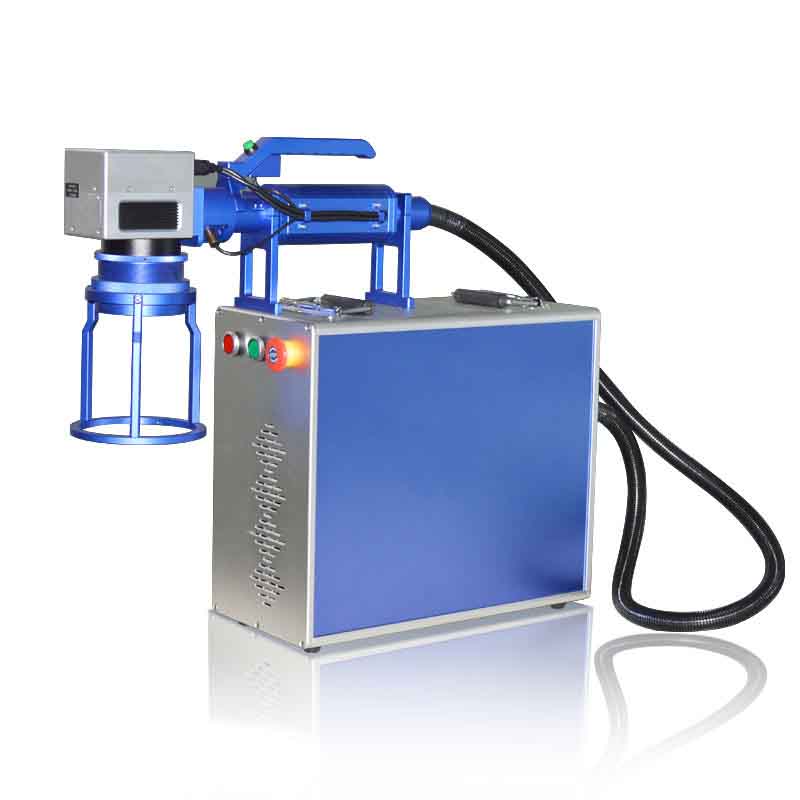
High-power pulsed fiber cleaning handles heavy-duty work — rust removal, coating stripping, and aerospace-grade surface preparation — where the cleaning task needs to remove a substantial contamination layer efficiently. Continuous-wave handheld cleaners serve lighter maintenance work with air-cooled operation designed for minimal ongoing maintenance, while a portable pulsed cleaning configuration targets more delicate applications like mould cleaning, where precision and control matter as much as cleaning speed. Across the cleaning range, both handheld and robot-mountable configurations are available, letting the same core cleaning technology serve manual spot-cleaning work and integrated automated production line cleaning.
Handheld fiber laser welding rounds out the range with precision metal joining that eliminates the need for filler wire or other welding consumables — the laser itself provides the energy to fuse the base materials together. This matters for applications where consumable cost, weld consistency, or the precision of a laser-controlled heat-affected zone offer an advantage over traditional arc or MIG welding methods, particularly on thinner gauge material or precision fabrication work where excess heat input from conventional welding can cause distortion.
Frequently Asked Questions
Why is laser cleaning considered non-contact and chemical-free compared to traditional methods?
Laser cleaning ablates the unwanted surface layer using focused light energy alone, without physical abrasive media contacting the surface and without chemical stripping agents — this avoids the waste media disposal that comes with abrasive blasting and the hazardous byproduct handling that comes with chemical stripping, while still effectively removing rust, coatings, and contamination.
What's the difference between pulsed and continuous-wave laser cleaning?
Pulsed cleaning delivers energy in short, high-intensity bursts, generally suited to heavier-duty removal tasks like thick rust or coating layers where more aggressive ablation is needed. Continuous-wave cleaning delivers a steady beam better suited to lighter maintenance cleaning, often with simpler air-cooled operation for lower ongoing maintenance in routine use.
Why would handheld fiber laser welding be chosen over traditional arc or MIG welding?
Laser welding eliminates the need for filler wire and other consumables, and its more concentrated heat input produces a narrower heat-affected zone than typical arc welding methods — relevant for precision fabrication or thinner-gauge material where minimizing heat-induced distortion matters, though the tradeoffs depend on the specific joint design and material being welded.