Home /
EMC Test Solutions

Chamber Accessories

The Complete Accessory Ecosystem for EMC Chambers

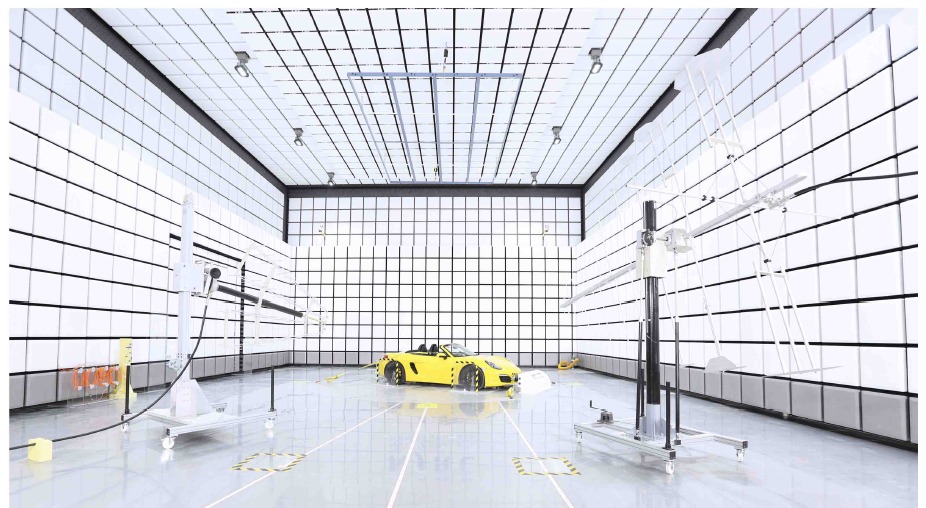
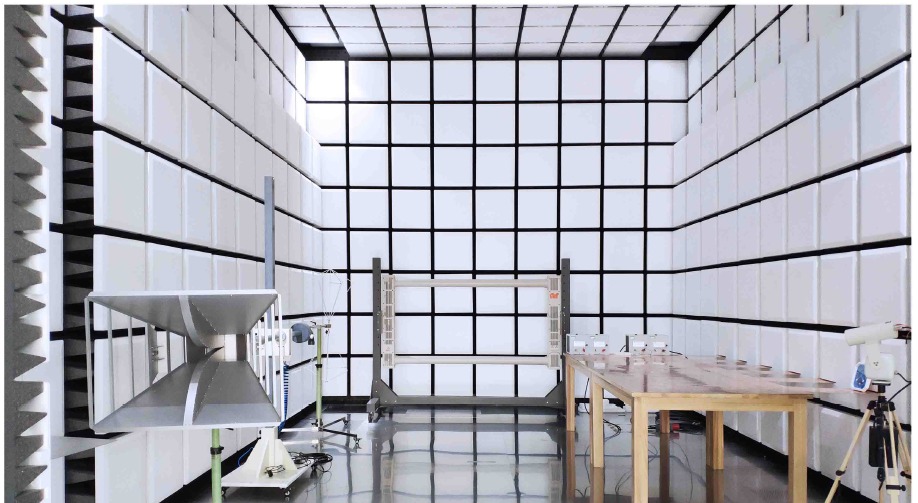
Four absorber-lined walls and a conductive ground plane make an EMC chamber's basic RF environment, but a chamber only becomes a functioning, safe, and usable test facility once shielded doors, filtered power and signal penetrations, climate control, fire detection, and motorised positioning equipment are all integrated — each of these needs to maintain the chamber's shielding integrity while keeping the test environment safe and controllable for actual day-to-day use.

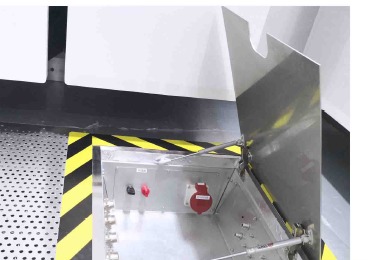
Shielded doors range from standard swing doors through to automatic vehicle-access gates for larger chambers handling full vehicle testing, each engineered to preserve shielding effectiveness at the door seam despite being a moving, regularly-opened component. Microwave and hybrid absorber panels line the chamber's interior surfaces to control internal reflections, essential to accurate radiated measurement. Filtered power and RF penetration points let power, signal, and data pass through the shielded boundary without compromising it — every cable or pipe entering a shielded chamber needs this kind of controlled, filtered penetration point rather than a simple unshielded hole in the wall.

Supporting equipment rounds out the range: motorised turntables rotate the device under test for multi-angle measurement, antenna masts position the measurement antenna at the correct height and can scan through a height range during a test, and magnetic shielding cabinets protect sensitive measurement equipment from ambient magnetic field interference within the chamber environment.

Frequently Asked Questions

Why do EMC chambers need filtered power and signal penetrations rather than standard cabling?

Any unfiltered conductor passing through a shielded chamber wall can act as an antenna, letting external interference in or letting the chamber's contained test signal leak out — compromising the chamber's shielding integrity. Filtered penetration points block this RF leakage path while still allowing power, signal, and data to pass through as needed.

What's the difference between microwave and hybrid absorber panels?

Microwave absorbers are optimised for higher-frequency absorption, while hybrid absorber panels typically combine different absorber materials or geometries to extend effective absorption performance across a broader frequency range, including lower frequencies where pure microwave absorber designs become less effective.

Why does a chamber need a motorised turntable and antenna mast rather than fixed positioning?

EMC test standards typically require measurement across multiple angles of the device under test and, for the antenna, across a defined height range — a motorised turntable and scanning antenna mast automate this multi-angle, multi-height measurement sequence rather than requiring manual repositioning between each measurement point.
Chamber Accessories
Inquire About This Range →
LISUN SDR Shielding Cabinets and Rooms
Shielding Cabinets & Rooms
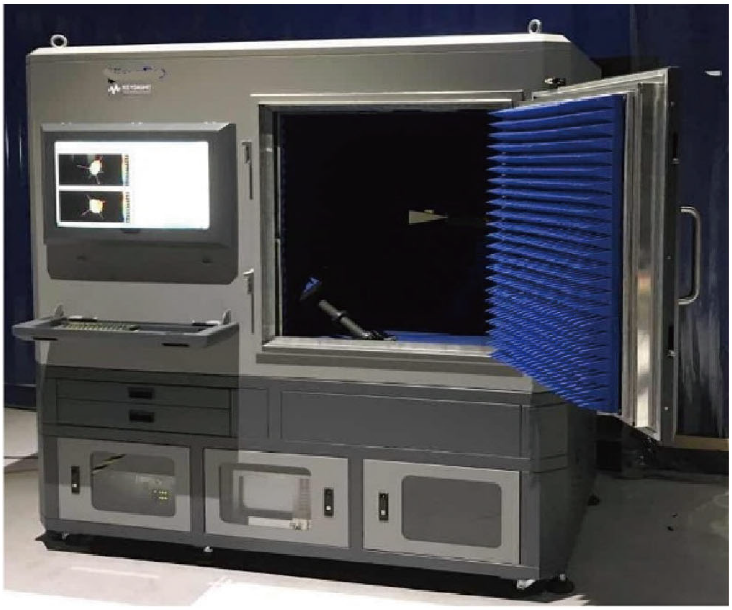
Galvanised steel shielded enclosures for EMI testing, 9kHz to 18GHz, up to 110dB shielding.
View Product Details →
ModelFormatInternal sizeExternal size 
SDR-800SBenchtop shielding cabinet0.8×0.8×0.8m1×1.1×1.2mView
SDR-2000B / 2000L / 4000B / 5000BWalk-in shielded room2×1.2×1.8m to 5×3×3m2.2×1.5×2.3m to 5.2×3.2×3.5mView
RF Technology Air Conditioning System
Environmental & Utility Accessories
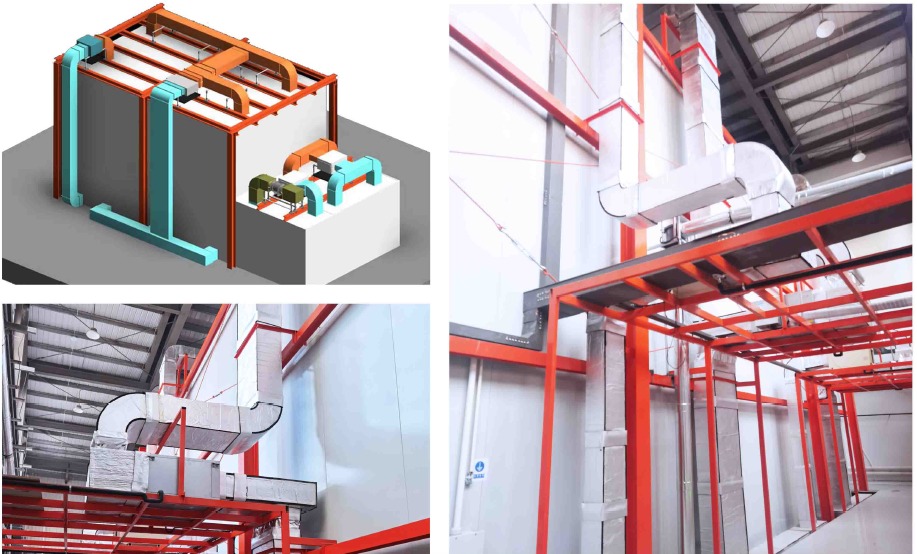
Keeps chamber conditions and power supply within test standard requirements, and detects fire risk inside the chamber.
View Product Details →
ModelFunctionKey specification 
ACC-AIRCONShielded air conditioningHolds 15–35°C test conditionsView
ACC-PDUPower distributionOutlets AC220V/10A, 220V/16A, 380V/32AView
ACC-FIREFire detectionVESDA aspirating smoke detectionView
ACC-FILTERPower line EMC filterSingle or three phase; range of current ratingsView
RF Technology Feedthrough Panel
Feedthroughs & Penetrations
Passes cables, power, and airflow through the shielded boundary without compromising shielding effectiveness.
View Product Details →
ModelFunctionMethod 
ACC-CPCable penetration panelWaveguide-below-cutoff or filteredView
ACC-APAccessories panelFiltered RF, power, fibre and signal feed-throughsView
ACC-HONEYCOMBHVAC vent panelHoneycomb waveguide-below-cutoffView
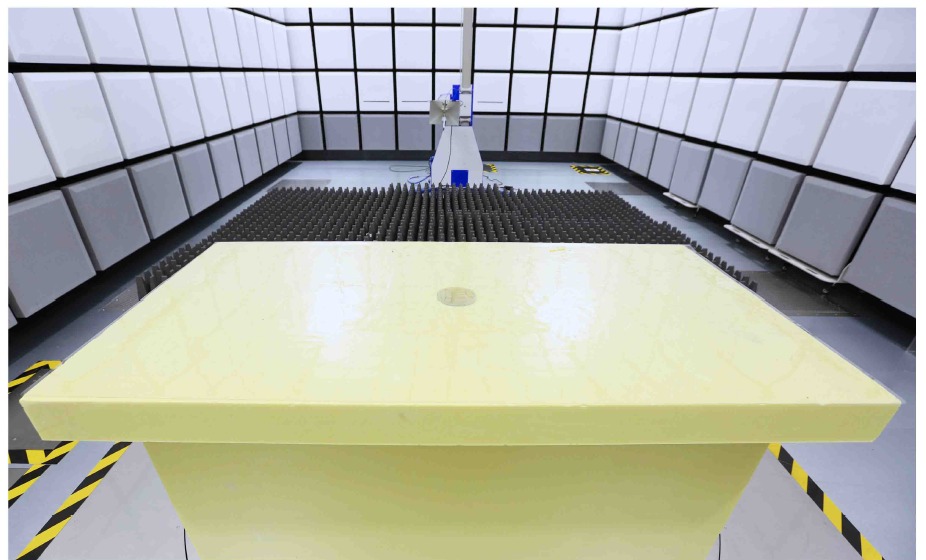
RF Technology Non-Metallic Testing Table
Fixtures & Furniture
Non-metallic and motorised fixtures that position the EUT and monitor the test inside the chamber.
View Product Details →
ModelFunctionKey specification 
ACC-TABLENon-metallic EUT tableFibreglass or wood; 0.8m standard heightView
ACC-MASTMotorised antenna mastHeight scan; custom range and speedView
ACC-TURNTABLEMotorised EUT turntableNon-metallic; custom load and diameterView
ACC-CCTVShielded CCTVWatch the EUT from outside the chamberView
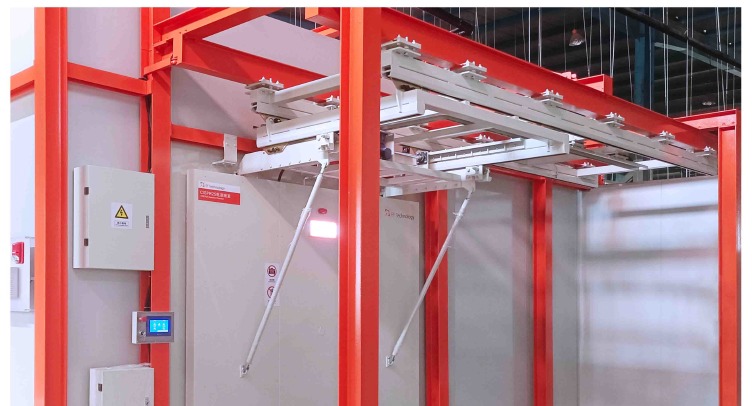
RF Technology Automatic Shielded Sliding Gate
Access & Shielded Doors
Shielded entry points and vehicle access, from manual swing doors to fully automatic sliding gates.
View Product Details →
ModelTypeSizes 
ACC-DOOR-GATEFully automatic sliding gateVehicle-access openingsView
ACC-DOOR-SLIDINGSemi-automatic sliding doorCustom; where swing clearance is limitedView
ACC-DOOR-SWINGSingle or double leaf swing door0.9–2.4m wide; 2.1 or 2.4m highView
ACC-RAMPShielded vehicle rampFor 5m, 10m SAC and EV chambersView
RF Technology EMC Absorber Panels
Electromagnetic Absorbers
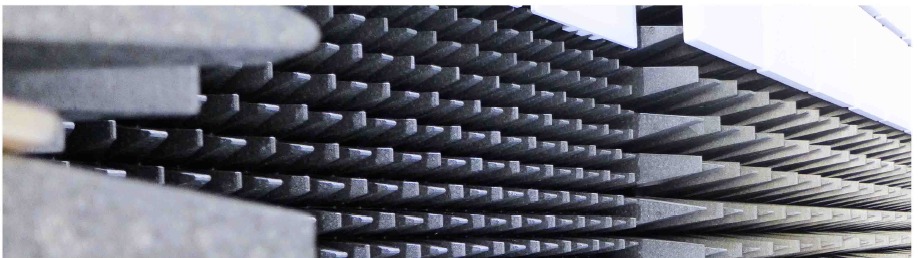
RF absorbing material lining chamber walls to suppress internal reflections.
View Product Details →
ModelTypesCompliance 
ACC-AbsorberHybrid (ferrite + foam) or microwave pyramidREACH, RoHS, halogen free; 25-year warrantyView
Complete Your Test Setup
Send an Enquiry →Send an Enquiry →

Related Reading

Where This Fits

Whichever chamber type you've chosen — Semi-Anechoic, Specialty, or GTEM — these are the supporting systems it needs to actually operate: filtered power and signal penetrations through the shielded wall, air conditioning (chambers are sealed enclosures that overheat without it), shielded doors, motorised non-metallic turntables and antenna masts, and chamber-rated fire detection and CCTV.

These are easy to underbudget when planning a new chamber — they're a meaningful fraction of total facility cost, not an afterthought to add later.